
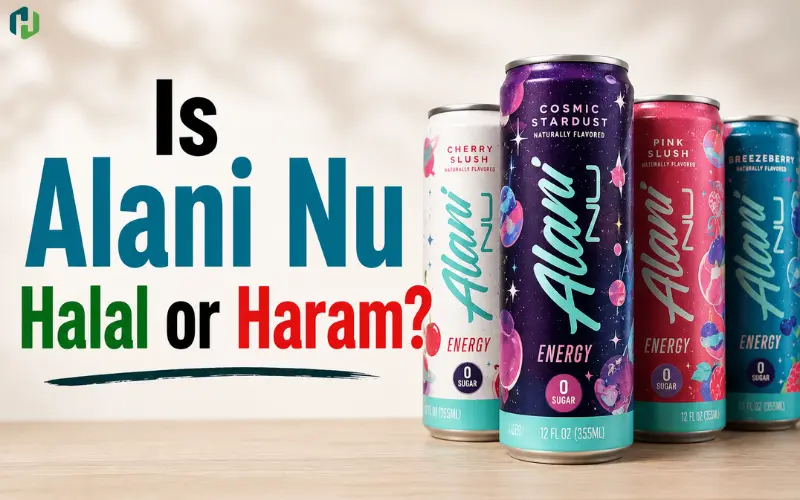
Is Alani Nu halal or haram? Many Muslims in the USA and UK are now searching for this question because Alani Nu has become one of the most popular energy drink brands among gym-goers and young adults. Known for its colorful cans, trendy flavors, and fitness-focused branding, the drink is widely consumed across social media and wellness communities.
Most Alani Nu drinks appear halal-friendly because they do not contain obvious haram ingredients like pork gelatin or intoxicating alcohol. However, some Muslims still question ingredients such as natural flavors, taurine, and supplement processing methods. That’s why checking ingredients carefully remains important for halal-conscious consumers.
Quick Overview Table
| Category | Halal Status | Notes |
| Alani Nu Energy Drinks | Usually Halal-Friendly | No pork gelatin listed |
| Caffeine | Halal | Common permissible stimulant |
| Taurine | Usually Halal | Mostly synthetic today |
| Natural Flavors | Depends | Source may vary |
| Pre-Workout Supplements | Check Ingredients | Formulas differ |
| Best Option | Read Labels Carefully | Ingredients may change |
What Is Alani Nu?
Alani Nu is a fast-growing American wellness and fitness brand best known for its energy drinks, supplements, vitamins, and pre-workout products. Over the last few years, the company has become extremely popular among young adults because of its modern branding and strong social media presence.
Unlike older energy drink companies that focus mainly on gaming or extreme sports, Alani Nu built a more lifestyle-focused image connected to wellness, fitness, gym culture, and aesthetics. This approach helped the brand become very popular among people looking for low-calorie energy drinks that still taste flavorful and trendy.
Some of the brand’s most popular flavors include:
- Cosmic Stardust
- Cherry Slush
- Pink Slush
- Breezeberry
- Hawaiian Shaved Ice
- Watermelon Wave
Because many Muslims today are active in fitness culture and gym lifestyles, questions about whether Alani Nu is halal continue increasing online.
Related Post: Is Poppi Halal or Haram?
Why Muslims Question Whether Alani Nu Is Halal
Modern energy drinks are very different from traditional beverages. Many products now contain artificial flavorings, amino acids, preservatives, vitamin blends, and synthetic ingredients that most consumers are unfamiliar with. This naturally creates halal concerns for Muslims who want to avoid doubtful substances.
One major reason Muslims question Alani Nu is because energy drinks often contain ingredients with scientific names that sound confusing. People may not know whether those ingredients come from plant sources, synthetic production, or animal-based processing.
Another reason is that many modern beverages use “natural flavors” without clearly explaining the source publicly. Since some flavor extraction methods in the food industry may involve alcohol or hidden additives, halal-conscious consumers often become more cautious with trendy drinks and supplements.
Muslims today are also much more aware of ingredient transparency than before. Instead of simply assuming a product is halal, many consumers now carefully research:
- Ingredient sources
- Manufacturing methods
- Alcohol-related processing
- Halal certification
This is why searches for products like Alani Nu, Celsius, Prime Drink, Ghost Energy, and other fitness beverages have become extremely common in the halal niche.
Does Alani Nu Contain Haram Ingredients?
At the moment, most Alani Nu drinks do not publicly list obvious haram ingredients such as pork gelatin, animal fats, or intoxicating alcohol. Most formulas appear to rely mainly on synthetic or plant-based ingredients instead.
This is one of the biggest reasons why many Muslims consider Alani Nu halal-friendly overall.
However, stricter halal-conscious consumers still pay attention to ingredients like:
- Natural flavors
- Taurine
- Coloring agents
- Sweeteners
- Vitamin blends
because sourcing methods can sometimes vary depending on manufacturers and suppliers.
For example, even if two drinks contain the same ingredient name, the manufacturing process behind that ingredient may not always be identical. This is why some Muslims prefer halal-certified products whenever possible.
Still, compared to many candies, desserts, or processed snacks, Alani Nu appears to avoid several of the most common haram ingredients Muslims usually worry about.
Is Taurine Halal?
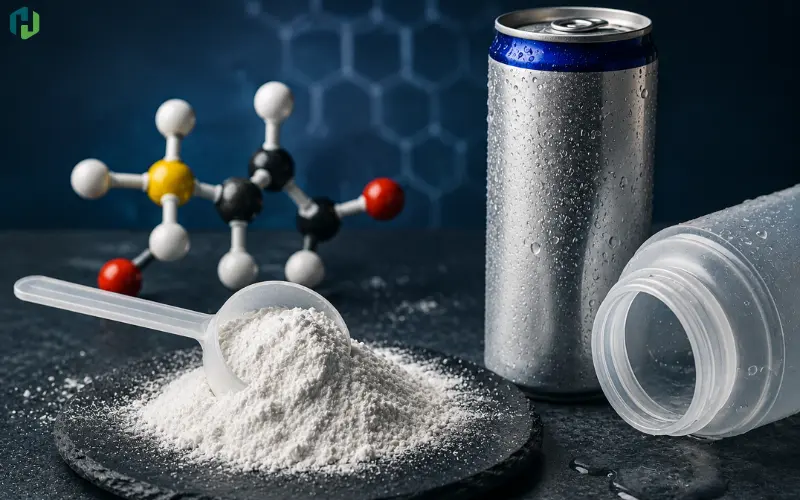
Taurine is one of the most misunderstood ingredients found in energy drinks.
Many people online wrongly believe taurine comes directly from animal or bull extracts. This myth has existed for years and continues spreading on social media. In reality, the taurine used in most modern energy drinks today is usually produced synthetically in laboratories rather than taken from animals.
Because synthetic taurine is not connected to haram animal slaughter, many halal-conscious Muslims and scholars generally consider it halal-friendly.
Taurine is also commonly used in many popular energy drinks including:
- Red Bull
- Monster
- Celsius
- Alani Nu
Since it helps support energy and performance formulas, it has become a standard ingredient across the industry.
For most Muslims, synthetic taurine itself is usually not considered a major halal concern.
Is Caffeine Halal in Islam?
Caffeine is generally considered halal by most Islamic scholars because it is a naturally occurring stimulant rather than an intoxicating substance like alcohol.
Caffeine naturally exists in:
- Coffee
- Tea
- Chocolate
- Soft drinks
- Energy drinks
Islamic dietary laws mainly focus on whether something intoxicates the mind or causes major harm. Since caffeine does not intoxicate in the same way alcohol does, moderate caffeine consumption is widely accepted.
However, moderation still matters. Drinking too many energy drinks regularly may lead to health issues such as:
- Sleep problems
- Anxiety
- High heart rate
- Caffeine dependence
For this reason, many Muslims view caffeine similarly to coffee — halal in moderation but unhealthy in excess.
Natural Flavors in Alani Nu
Natural flavors are one of the biggest reasons why Muslims carefully research processed foods and drinks today.
Food companies often use the phrase “natural flavors” without fully explaining the exact ingredients publicly because flavor formulas are usually protected as trade secrets. These flavors can include fruit extracts, oils, concentrates, or other compounds designed to improve taste.
The concern for Muslims comes from the fact that some flavoring systems in the food industry may use alcohol during extraction or processing. While this does not automatically make a product haram, it can still create uncertainty for stricter halal consumers.
Currently, there is no major public evidence showing that Alani Nu contains clearly haram flavorings. However, Muslims who follow stricter halal standards may still prefer products with official halal certification for complete peace of mind.
Does Alani Nu Contain Alcohol?
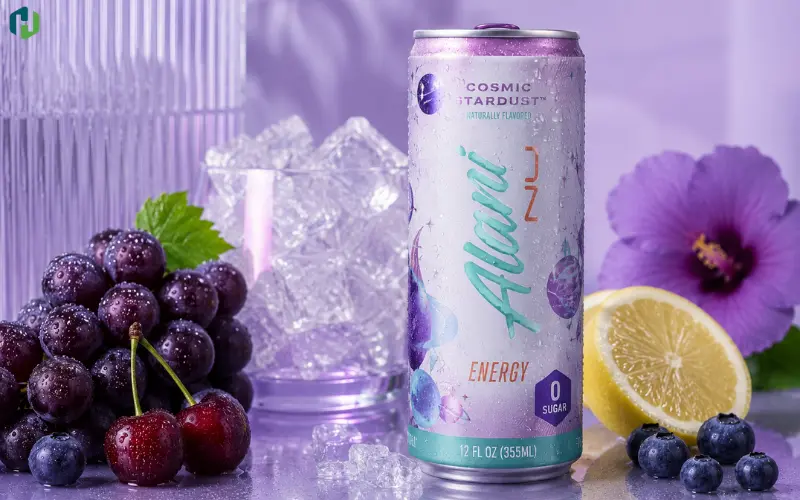
One of the most searched questions online is whether Alani Nu contains alcohol.
Alani Nu is not marketed as an alcoholic beverage, and intoxicating alcohol is not publicly listed as a drink ingredient. However, some Muslims still question whether tiny amounts of alcohol could be involved during flavor extraction or manufacturing processes.
This topic is debated among scholars because small processing amounts differ from intentionally consuming alcoholic drinks. Many Islamic opinions focus on whether:
- The final product intoxicates
- Alcohol is intentionally consumed
- The alcohol remains present in significant amounts
Since Alani Nu functions as a normal energy drink rather than an alcoholic beverage, many Muslims consider it halal-friendly overall.
Are Alani Nu Pre-Workouts Halal?
Alani Nu also sells pre-workout supplements that are popular among gym-goers and athletes. These products often contain ingredients designed to increase workout energy and focus.
Pre-workouts may include:
- Caffeine
- Beta-alanine
- Amino acids
- Sweeteners
- Flavoring compounds
Most of these ingredients are generally synthetic or plant-based. However, supplements are usually more complex than canned beverages, which is why Muslims should always check labels carefully before buying them.
Some halal-conscious consumers also pay attention to whether capsules or powders contain gelatin or collagen-based ingredients, since these can sometimes come from non-halal animal sources.
Why Alani Nu Became So Popular
Alani Nu became successful because it combines modern wellness culture with strong branding and influencer marketing.
The brand exploded on platforms like TikTok and Instagram because many influencers promoted the drinks as stylish, flavorful, and healthier than traditional energy drinks. The colorful packaging and unique flavor names also helped Alani Nu stand out from older brands.
Another reason for its popularity is that many consumers today prefer:
- Low-calorie drinks
- Less sugar
- Trendy flavors
- Fitness-focused products
This made Alani Nu especially attractive to younger audiences in America and Britain.
Because many young Muslims also follow modern fitness and wellness trends, halal questions around Alani Nu naturally continue growing online.
Is Alani Nu Healthier Than Traditional Energy Drinks?
Many consumers believe Alani Nu is healthier than older energy drink brands because it usually contains lower sugar and fewer calories.
Comparison
| Feature | Alani Nu | Traditional Energy Drinks |
| Sugar Content | Lower | Often higher |
| Calories | Lower | Higher |
| Vitamins Added | Yes | Sometimes |
| Branding Style | Wellness-focused | Performance-focused |
| Artificial Additives | Moderate | Often heavier |
| Trend Popularity | Very high | Established brands |
Even though Alani Nu may appear healthier, moderation is still important because energy drinks can contain high caffeine levels.
Why Some Muslims Still Avoid Alani Nu
Even though many Muslims consider Alani Nu halal-friendly, some still avoid it because they prefer staying away from doubtful or highly processed products.
Certain Muslims only consume:
- Halal-certified beverages
- Simple ingredient products
- Fully transparent brands
Others avoid energy drinks completely because they dislike:
- Artificial additives
- Excessive caffeine
- Modern supplement culture
This difference of opinion is common with many packaged foods and drinks today.
Is Alani Nu Halal or Haram?
In general, many Muslims consider Alani Nu halal-friendly because the drinks do not appear to contain obvious haram ingredients such as pork gelatin or intoxicating alcohol.
Most ingredients commonly used in Alani Nu products are usually:
- Synthetic
- Plant-based
- Widely used in modern beverages
However, stricter halal-conscious Muslims may still remain cautious because:
- Natural flavor sources are unclear
- Supplement processing methods vary
- No official halal certification is widely displayed
For many Muslims, this simply becomes a matter of personal comfort and halal standards.
We hope you guys find this guide helpful. If you like this one, here we have more for you:
FAQs
Is Alani Nu halal?
Many Muslims generally consider Alani Nu halal-friendly because it does not contain obvious haram ingredients.
Does Alani Nu contain alcohol?
Alani Nu does not publicly list intoxicating alcohol as an ingredient.
Is taurine halal?
Most taurine used in modern energy drinks is synthetic and generally considered halal.
Is caffeine halal in Islam?
Yes, most Islamic scholars consider caffeine halal when consumed in moderation.
Are Alani Nu drinks vegan?
Many Alani Nu drinks appear vegan-friendly and free from animal ingredients.
Why do Muslims question Alani Nu?
Muslims question natural flavors, supplement ingredients, and manufacturing methods.
Are Alani Nu pre-workouts halal?
Many ingredients appear halal-friendly, but formulas should still be checked carefully.
What is the safest option for Muslims?
Reading ingredient labels carefully and choosing halal-certified products remains the safest approach.
Conclusion
Is Alani Nu halal or haram? Overall, many Muslims consider Alani Nu halal-friendly because its products do not appear to contain pork-based ingredients, intoxicating alcohol, or other obvious haram additives. Most ingredients commonly used in the drinks, including caffeine, taurine, vitamins, and sweeteners, are generally synthetic or plant-based.
At the same time, some halal-conscious consumers still question natural flavors and supplement processing methods because modern wellness drinks can contain complex ingredient systems that are not always fully transparent. Since formulas may change over time, checking ingredient labels carefully remains important.
As energy drinks and fitness supplements continue growing in popularity across the USA and UK, more Muslims are researching products like Alani Nu before making them part of their daily routine. Choosing transparent brands and understanding ingredient sources can help halal-conscious consumers make more confident decisions.