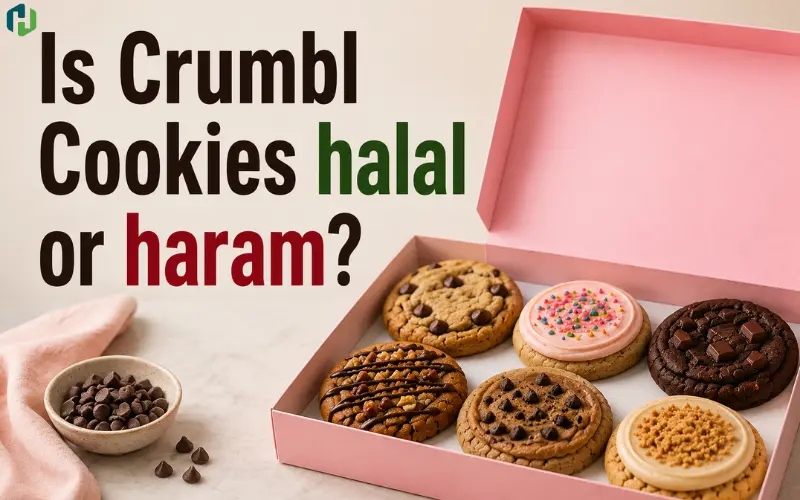
Is Crumbl Cookies halal or haram

Is Crumbl Cookies Halal or Haram?

Is Crumbl Cookies halal or haram? This question has become increasingly popular among Muslims in the USA and UK as Crumbl continues growing through TikTok trends, viral cookie reviews, and weekly rotating flavors. While the bakery is famous for its oversized cookies and creative dessert-inspired recipes, many Muslims now want to know whether Crumbl uses halal-friendly ingredients or if some flavors contain doubtful additives like gelatin, flavor extracts, or non-halal dessert fillings.

The answer is not completely straightforward because Crumbl Cookies is not officially halal-certified, and the ingredients can change depending on the weekly menu. Some cookies may appear halal-friendly with simple baking ingredients, while others create concerns because of marshmallow toppings, cheesecake fillings, or processed flavorings. In this guide, we’ll break down everything Muslims should know about whether Crumbl Cookies are halal or haram, including ingredient concerns, safer flavor options, and what to avoid.

Quick Overview Table

TopicShort Answer
Is Crumbl Cookies halal?Some flavors may be halal-friendly
Is Crumbl Cookies haram?Not generally considered fully haram
Halal-certified?No official halal certification
Biggest concernGelatin and flavor extracts
Safer choicesSimple cookies with basic ingredients
Riskier flavorsCheesecake and marshmallow cookies

Why Crumbl Cookies Became a Halal Discussion

A few years ago, Muslims rarely discussed cookies online. Most halal conversations focused on restaurants, burgers, fried chicken, or candy brands. But social media changed food culture completely.

Now every trending snack gets analyzed online. Once Crumbl became viral, Muslims naturally started checking ingredients as well. Videos reviewing weekly flavors made people curious not only about taste but also about what was actually inside the cookies.

The weekly menu is a major reason this topic became complicated. Crumbl does not sell only ordinary chocolate chip cookies. Some flavors are inspired by cheesecake desserts, marshmallow treats, caramel pastries, or candy bars. These types of desserts usually involve processed ingredients that many Muslims prefer to double-check before eating.

That is why searches like “Is Crumbl Cookies halal?” and “Is Crumbl Cookies haram?” started increasing rapidly in both the USA and UK.

Not Every Cookie Creates the Same Halal Concern

One mistake people make is treating every Crumbl cookie as identical.

In reality, there is a huge difference between a basic cookie and a specialty dessert-style cookie. A simple chocolate chip cookie mostly uses standard baking ingredients that Muslims already consume regularly. But once cookies start including mousse fillings, marshmallow frosting, cheesecake layers, or candy toppings, the ingredient list becomes much more complicated.

This is why many Muslims do not judge the entire bakery with one single answer.

Instead, they separate flavors into two categories:

  • simpler cookies that appear safer
  • heavily processed flavors that create more doubt

That approach is becoming common among halal-conscious consumers today.

Is Crumbl Cookies Halal?

The honest answer is that Crumbl Cookies sits in a gray area for many Muslims.

The company does not market itself as halal-certified, which means there is no official guarantee covering all ingredients. However, many cookies also do not contain obvious haram ingredients directly listed on the label.

Because of this, some Muslims feel comfortable eating certain flavors while avoiding others entirely.

For many people, the safest approach is sticking to simpler cookies that rely on traditional baking ingredients rather than heavily processed dessert toppings or fillings.

Others prefer avoiding the brand altogether because ingredient sourcing is not fully transparent.

Both opinions are common, especially among Muslims living in Western countries where processed foods often contain unclear additives.

Gelatin Is One of the Biggest Reasons Muslims Hesitate

If you ask halal-conscious Muslims why they avoid certain desserts, gelatin is usually one of the first things mentioned.

The problem is not gelatin itself. The issue is where it comes from.

Some gelatin comes from halal beef sources, while other forms may come from pork or non-halal animal products. Unless companies clearly explain the source, many Muslims remain cautious.

Certain Crumbl flavors inspired by marshmallow desserts or cheesecake-style recipes may contain ingredients commonly associated with gelatin. This is why those flavors usually receive more halal questions compared to ordinary cookies.

Interestingly, many people never think about gelatin when eating desserts. They only associate it with gummy candy. But modern bakery products often contain gelatin inside creams, mousse fillings, frosting textures, and decorative toppings.

For stricter halal-conscious consumers, unclear gelatin sourcing is enough reason to avoid some Crumbl flavors completely.

Flavor Extracts Also Create Confusion

Another reason the halal discussion becomes complicated is because of dessert flavoring.

Many bakery companies use concentrated extracts to create stronger flavors. Vanilla is the most common example, but dessert-inspired cookies may also involve coffee, caramel, cheesecake, or pastry flavorings.

Traditional extraction methods sometimes involve alcohol during processing. This immediately raises concern for Muslims who try to avoid doubtful ingredients as much as possible.

Now, most people are not eating Crumbl cookies to get intoxicated. That is obviously not the issue. The concern is more about whether flavor production methods align with halal standards.

This is especially important for flavors inspired by desserts like tiramisu or cream pastries, where richer flavor concentrates are often used.

Some Muslims ignore this concern completely, while others prefer avoiding anything with unclear flavoring sources.

Crumbl’s Weekly Menu Makes Things Harder

What separates Crumbl from ordinary bakeries is the weekly rotation system.

Traditional bakeries are predictable. Once you understand the ingredients, you already know what you are getting next time. Crumbl constantly changes flavors, which means the ingredient situation changes every week too.

One week might feature safe-looking cookies with basic ingredients. The next week could introduce desserts loaded with candy pieces, marshmallow creams, flavored syrups, or cheesecake toppings.

This constant change makes halal research difficult because Muslims cannot simply memorize one answer about the brand.

That unpredictability is actually one reason Crumbl stays popular online. Every week feels new. But from a halal perspective, it also means every week can introduce different ingredient concerns.

Which Crumbl Flavors Usually Feel Safer?

Among Muslims who still eat Crumbl, most naturally gravitate toward simpler flavors.

Classic chocolate chip cookies usually create fewer concerns because the ingredients are easier to understand. Peanut butter cookies, oatmeal cookies, and plain sugar cookies also tend to feel safer compared to specialty dessert flavors.

The hesitation usually starts once cookies include:

  • marshmallow fillings
  • cheesecake creams
  • candy toppings
  • mousse textures
  • decorative frosting layers

That does not mean every specialty cookie is automatically haram. It simply means the uncertainty level becomes higher, especially for Muslims who prefer avoiding doubtful ingredients.

Many halal-conscious consumers today follow a simple rule: the more processed the dessert looks, the more carefully they check the ingredients.

Crumbl Flavor Risk

Cookie TypeHalal Risk LevelMain Concern
Chocolate ChipLowStandard baking ingredients
Sugar CookieLowMinimal processed additives
Cheesecake CookiesMediumGelatin and emulsifiers
Marshmallow CookiesHighPossible gelatin source
Candy-Topped CookiesMediumUnknown candy ingredients
Tiramisu-Inspired FlavorsMediumFlavor extracts

Why American Muslims Talk About Crumbl So Much

Crumbl became especially popular in the United States because the brand grew directly through internet culture.

TikTok reviews, YouTube taste tests, and Instagram food pages helped Crumbl expand faster than most dessert companies. Naturally, Muslim consumers in America also became part of that audience.

At the same time, halal awareness in the USA increased massively over the last few years. Muslims today regularly research:

  • snacks
  • desserts
  • protein bars
  • drinks
  • fast food
  • supplements

before buying them.

Crumbl entered that same conversation because Muslims started questioning the ingredients behind trendy desserts rather than assuming every cookie is automatically halal.

The UK Audience Thinks About Halal Differently

In Britain, halal food culture is already deeply established. Cities like London, Birmingham, and Manchester have huge halal restaurant scenes, so Muslims there often pay close attention to ingredient sourcing.

Because of this, British Muslims discussing Crumbl online usually focus less on hype and more on transparency.

Many UK Muslims want clear answers about:

  • gelatin sources
  • flavor extracts
  • alcohol processing
  • ingredient certifications

Without official halal certification, Crumbl naturally falls into a doubtful category for stricter consumers in Britain.

Still, many Muslims in the UK also continue eating simpler flavors if no obvious haram ingredients appear.

Modern Food Labels Confuse Almost Everyone

One of the biggest frustrations with processed foods today is how vague ingredient labels have become.

Food companies often use broad terms like:

  • natural flavors
  • flavor blends
  • emulsifiers
  • stabilizers

without clearly explaining what those ingredients actually contain.

For halal-conscious Muslims, this creates uncertainty because some additives may involve animal derivatives or alcohol during manufacturing.

Most consumers never think about these details. But Muslims trying to follow halal dietary rules carefully usually want more transparency before eating processed foods.

This issue affects much more than just Crumbl. It exists across the modern food industry.

Some Muslims Avoid Crumbl Completely

Not every Muslim approaches doubtful foods the same way.

Some people follow the principle that foods remain permissible unless something clearly haram is proven. Others prefer avoiding anything uncertain altogether.

This is why opinions about Crumbl differ online.

One Muslim may feel perfectly comfortable eating a simple chocolate chip cookie from Crumbl. Another Muslim may avoid the bakery entirely because the ingredients are not halal-certified.

Both approaches exist within the Muslim community, especially in Western countries where processed food ingredients are often difficult to verify completely.

Crumbl vs Halal Dessert Shops

The rise of halal bakeries in the USA and UK changed consumer expectations significantly.

Many halal dessert shops now openly advertise:

  • halal-certified ingredients
  • alcohol-free baking
  • pork-free kitchens
  • Muslim-friendly desserts

Compared to these bakeries, mainstream dessert chains like Crumbl usually provide less certainty for halal-conscious customers.

Bakery Comparison

FeatureCrumbl CookiesHalal Bakeries
Halal CertificationNoUsually Yes
Gelatin TransparencyLimitedBetter transparency
Alcohol-Free GuaranteeNoOften Yes
Pork-Free KitchenNot guaranteedUsually Yes
Ingredient ClarityModerateHigher

Because halal dessert culture keeps growing, many Muslims now actively search for bakeries that clearly explain ingredient sourcing instead of leaving customers uncertain.

We hope you guys find this guide helpful. If you like this one, here we have more for you:

FAQs

Is Crumbl Cookies halal or haram?

Crumbl Cookies is not officially halal-certified, but some simple flavors may be halal-friendly depending on the ingredients used.

Does Crumbl Cookies use pork gelatin?

Certain specialty flavors may contain ingredients that include gelatin, but the source is not always clearly specified.

Are all Crumbl Cookies haram?

No, not all Crumbl cookies are considered haram. Many basic flavors use standard baking ingredients without obvious haram substances.

Is Crumbl Cookies halal in the USA?

Crumbl does not offer nationwide halal certification in the USA, so Muslims usually check flavors individually.

Which Crumbl cookies are safest for Muslims?

Simple flavors like chocolate chip, sugar cookies, or peanut butter cookies are generally considered safer choices.

Does Crumbl Cookies contain alcohol?

Some dessert flavorings or extracts may involve alcohol during processing, especially in specialty flavors.

Can Muslims eat Crumbl Cookies?

Many Muslims do eat selected Crumbl flavors, while others avoid the brand because of unclear ingredients and lack of halal certification.

Why do Muslims question Crumbl Cookies?

Muslims mainly question ingredients like gelatin, flavor extracts, marshmallow fillings, and processed dessert toppings used in some cookies.

Final Verdict: Is Crumbl Cookies Halal or Haram?

Crumbl Cookies cannot automatically be labeled fully halal because the company does not provide official halal certification.

At the same time, many cookies also do not appear to contain direct haram ingredients. This is why the brand falls into a mixed category for many Muslims rather than being clearly halal or clearly haram.

The biggest concerns usually involve gelatin, flavor extracts, marshmallow fillings, cheesecake toppings, and unclear ingredient sourcing.

For most Muslims, simpler cookie flavors generally feel safer than heavily processed dessert-style cookies. Stricter halal-conscious consumers may still prefer avoiding the bakery completely unless ingredient transparency improves.

Conclusion

So, is Crumbl Cookies halal or haram? The answer depends largely on the flavor and your personal halal standards. Some cookies appear halal-friendly because they use ordinary baking ingredients without obvious haram substances. Other flavors create uncertainty because of processed dessert ingredients like gelatin, marshmallow creams, and flavor extracts.

Since Crumbl is not officially halal-certified, Muslims who prefer complete certainty may choose fully halal bakeries instead. Others may feel comfortable eating selected flavors after checking ingredients carefully.

As halal awareness continues growing across the USA and UK, more Muslims are paying closer attention to desserts and processed foods than ever before. Understanding ingredients and following your own comfort level remains the best approach when deciding whether Crumbl Cookies are right for you.

Is Nerds Gummy Clusters Halal

Is Nerds Gummy Clusters Halal?

Is Nerds Gummy Clusters halal? Nerds Gummy Clusters are not universally considered halal because some ingredients may raise concerns for halal-conscious consumers. The product can contain ingredients such as gelatin, colorings, flavorings, or sugar-processing methods that may require verification depending on the region and manufacturing process. Because of this, the halal status of Nerds Gummy Clusters depends on the ingredients used and the standards followed by the consumer.

Nerds Gummy Clusters have become one of the most popular candy products in recent years because of their crunchy Nerds coating and chewy gummy center. Since gummies and candies often contain hidden ingredients, many Muslims want to know whether these sweets are halal-friendly. This guide explains everything clearly, including gelatin concerns, flavorings, food colorings, regional differences, manufacturing practices, and safer alternatives.

Quick Overview Table

CategoryHalal StatusBest Advice
Standard Nerds Gummy ClustersDependsVerify ingredients
Gelatin ContentMain concernCheck source
Artificial FlavoringsDependsVerify
Food ColoringUsually acceptableCheck region
Halal-Certified CandySaferBetter option

What Are Nerds Gummy Clusters?

Nerds Gummy Clusters are chewy gummy candies coated with crunchy Nerds candy pieces. They combine a soft gummy center with a sweet and tangy crunchy shell, making them popular among candy lovers.

The product is manufactured by the candy brand Nerds, which is known for brightly colored sweet treats and fruity flavors. Gummy Clusters became especially popular on social media because of their unusual texture combination and bold flavor profile.

Like many gummy candies, Nerds Gummy Clusters contain multiple ingredients beyond simple sugar and flavoring. Gummies often involve gelatin, color additives, glazing agents, and flavoring compounds that may create halal concerns.

Because of this, halal-conscious consumers frequently research whether the product is suitable before eating it.

Related Post: Is Cane’s Halal?

Why People Ask if Nerds Gummy Clusters Are Halal

One of the biggest reasons people ask whether Nerds Gummy Clusters are halal is because gummy candies commonly contain gelatin. Gelatin is one of the most debated ingredients in halal food discussions because it can come from different animal sources.

Another reason is the product’s popularity among younger consumers. Viral candy trends often spread quickly online, causing many people to ask whether the ingredients meet halal standards.

Candy labeling can also create confusion. Some ingredients appear under technical names that average consumers do not recognize. Flavorings, glazing agents, and food colorings may all raise questions depending on their sources.

Because the product is sold internationally, ingredients may also differ from one country to another, adding even more uncertainty.

Ingredient Concern

Ingredient TypeHalal ConcernNotes
GelatinHighVerify source
FlavoringsModerateDepends
ColoringLow to moderateCheck region
SugarUsually safeProcessing may vary
Glazing AgentsDependsVerify

Gelatin in Gummy Candies

Is Nerds Gummy Clusters Halal

Gelatin is one of the most important ingredients when discussing gummy candy halal status. It is commonly used to create the chewy texture found in gummies and marshmallow-style sweets.

The halal status of gelatin depends on where it comes from. Gelatin can be derived from beef, pork, fish, or plant alternatives. If the gelatin comes from halal-slaughtered animals or halal-certified sources, many consumers consider it acceptable.

However, if the source is unclear or derived from pork, it would not be considered halal.

Because ingredient labels do not always explain the gelatin source clearly, many halal-conscious consumers avoid gummy candies unless certification is available.

Do Nerds Gummy Clusters Contain Gelatin?

Nerds Gummy Clusters are commonly associated with gelatin concerns because gummies often rely on gelatin for their chewy consistency. Depending on the manufacturing process and region, this ingredient may create uncertainty for Muslim consumers.

Some consumers search directly for halal certification rather than relying on ingredient interpretation alone. Others choose to avoid products with unclear gelatin sourcing completely.

Since ingredient formulations can change over time, checking the packaging carefully is always important.

Gelatin Source

Gelatin SourceHalal Status
Pork GelatinHaram
Halal Beef GelatinHalal
Fish GelatinUsually halal
Plant-Based AlternativeHalal-friendly
Unknown SourceAvoid if unsure

Artificial Flavorings and Additives

Candy products often contain artificial flavorings and additives to improve taste, appearance, and shelf life. These ingredients can sometimes create halal concerns because their manufacturing methods are not always explained clearly.

Some flavorings may involve alcohol-based extraction methods during production. Others may contain ingredients derived from animal sources.

Although many additives are generally considered acceptable, strict halal-conscious consumers often prefer certified products to avoid uncertainty.

Because candies contain many processed ingredients, checking labels carefully becomes especially important.

Food Coloring Concerns

Is Nerds Gummy Clusters Halal

Food colorings are another topic often discussed in halal candy conversations. Brightly colored candies like Nerds Gummy Clusters use artificial or synthetic dyes to achieve their appearance.

Most modern food colorings are generally considered acceptable by many consumers. However, some people still prefer verifying whether dyes involve animal-derived ingredients or testing methods they are uncomfortable with.

Regional regulations can also affect which colorings are used in products sold in different countries.

While food coloring is usually a smaller concern than gelatin, it still contributes to overall uncertainty for some consumers.

Coloring

Coloring TypeConcern Level
Artificial DyesUsually low
Natural ColoringLower
CarmineHigher concern
Regional VariationsDepends
Unknown AdditivesVerify

Sugar Processing and Halal Questions

Sugar itself is generally considered halal, but some consumers discuss how refined sugar is processed. In certain regions, sugar filtration methods may involve bone char processing.

This topic creates debate among consumers because sugar is used in nearly all candies.

Most halal-conscious consumers focus more on gelatin and flavorings than sugar-processing methods. However, stricter consumers may still prefer halal-certified sweets for additional confidence.

Because Nerds Gummy Clusters are heavily sugar-based candies, this discussion sometimes appears in halal debates.

Regional Differences in Ingredients

One important factor is that candy ingredients can differ between countries. A product sold in the US may not have the exact same formula as one sold in the UK, Canada, or other markets.

Manufacturers sometimes change ingredients due to local regulations, supply chains, or consumer demand. This means one version of Nerds Gummy Clusters could differ slightly from another.

Consumers who rely on online ingredient lists may accidentally view outdated or region-specific information.

Checking local packaging is always the safest option.

Country Comparison

RegionFormula Differences
United StatesCommon version
UKMay vary
CanadaPossible changes
EuropeDifferent additives
Middle EastSometimes halal-focused

Why Candy Creates Halal Confusion

Candy products often create confusion because they contain many processed ingredients hidden behind technical names. Consumers may recognize sugar and flavoring but not understand stabilizers, glazing agents, or emulsifiers.

Marketing also contributes to confusion. Bright packaging and fruity flavors make candy appear simple, even though the ingredient list may be highly processed.

Another issue is inconsistent labeling. Some products specify gelatin sources clearly, while others do not.

This is why gummy candies remain one of the most commonly questioned snack categories among halal-conscious consumers.

Halal Certification and Candy

Halal certification is one of the easiest ways to remove uncertainty when buying sweets and gummy candies. Certified products are reviewed for ingredient sourcing and production practices.

Many halal-certified gummies use halal beef gelatin, fish gelatin, or plant-based alternatives instead of unclear animal sources.

Certification also helps consumers avoid confusion about additives and flavorings.

As the halal snack market grows worldwide, more certified candy options are becoming available.

Best Halal-Friendly Candy Choices

If you want safer candy choices, look for:

  • halal-certified gummies
  • vegetarian candies
  • vegan sweets
  • fish gelatin products
  • plant-based gummies

These options usually reduce uncertainty significantly.

Best Choice

Candy TypeBetter Choice
GummiesHalal-certified
Sour CandyVegetarian
Fruit SnacksPlant-based
MarshmallowsHalal-certified
Jelly CandyFish gelatin

Halal Alternatives to Nerds Gummy Clusters

There are now many halal-friendly candy brands available worldwide. These brands often use halal beef gelatin or plant-based alternatives specifically for Muslim consumers.

Vegan gummy candies are also becoming more common and avoid many gelatin-related concerns entirely.

Some halal candy companies even produce products with textures similar to mainstream gummy clusters.

Choosing certified alternatives can simplify shopping and remove uncertainty.

Alternative

Alternative TypeBenefit
Halal GummiesCertified
Vegan CandyNo gelatin
Vegetarian SweetsLower concern
Fish Gelatin CandyUsually safer
Local Halal BrandsTrusted sourcing

Common Mistakes People Make

One common mistake is assuming all fruity candy is halal.

Another mistake is ignoring gelatin and focusing only on flavor.

Some consumers also assume products sold in Muslim-majority areas are automatically halal-certified.

The safest approach is always checking labels carefully.

What to Check Before Buying

Before buying gummy candies, check for:

  • gelatin source
  • halal certification
  • flavoring details
  • coloring additives
  • ingredient transparency

These details help reduce confusion.

We hope you guys find this guide helpful. If you like this one, here we have more for you:

FAQs

Are Nerds Gummy Clusters halal?

Their halal status depends on the ingredients and gelatin source used in the product.

Do Nerds Gummy Clusters contain gelatin?

Gummy candies often contain gelatin, which is one of the main halal concerns.

Is gelatin always haram?

No, gelatin can be halal if it comes from halal-certified sources.

Are artificial flavorings halal?

Some flavorings are acceptable, while others may require verification depending on production methods.

Is candy coloring halal?

Most food coloring is generally considered acceptable, though some consumers still prefer verification.

Are Nerds Gummy Clusters the same in every country?

No, ingredients and formulas may vary depending on the region.

What is the safest candy option?

Halal-certified or vegan candies are usually the safest choices.

Can Muslims eat gummy candy?

Yes, if the ingredients and gelatin source meet halal standards.

Conclusion

Is Nerds Gummy Clusters halal? The answer depends on the ingredients, gelatin source, and manufacturing process. Because gummy candies often contain unclear gelatin and processed additives, many halal-conscious consumers prefer checking certification carefully before eating them.

For the safest option, halal-certified or vegan gummy candies are usually the best choices. Reading ingredient labels and verifying gelatin sources can help consumers avoid uncertainty.

Is Kosher Halal

Is Kosher Halal?

Is kosher halal? Kosher and halal share many similarities because both follow religious dietary laws, but kosher food is not automatically halal. Some kosher foods may be acceptable for Muslims, while others may not meet halal requirements due to differences in slaughter methods, ingredients, and preparation rules. Because of this, the halal status of kosher food depends on the specific product and how it is prepared.

Both halal and kosher systems focus on clean, lawful food and place strong emphasis on ethical preparation. This similarity often confuses, especially in countries where halal products are limited but kosher food is easier to find. This guide explains everything clearly, including the differences between halal and kosher rules, meat preparation, certification, ingredients, and whether Muslims can eat kosher food.

Quick Overview Table

CategoryKosher StatusHalal Status
Kosher MeatDependsVerify
Kosher DairyUsually halalCheck additives
Kosher SnacksDependsVerify ingredients
Kosher SeafoodUsually halalSafer
Kosher Certified FoodNot automatically halalCheck details

Related Post: Is Rennet Halal?

What Does Kosher Mean?

Kosher refers to food that follows Jewish dietary laws. These rules are based on religious teachings and determine which foods are permitted and how they must be prepared. Kosher laws cover meat, dairy, seafood, slaughter methods, and food handling practices.

Foods that meet kosher standards are usually certified by a kosher authority. This certification helps Jewish consumers identify products that follow kosher requirements.

Kosher rules are detailed and involve strict preparation guidelines. Certain animals are prohibited, meat and dairy cannot be mixed, and slaughter procedures must follow specific religious standards.

Because kosher food already follows religious dietary restrictions, many Muslims wonder whether it can also be considered halal.

Why People Ask if Kosher Is Halal

Is Kosher Halal

People often ask if kosher food is halal because both systems share many similarities. Both halal and kosher prohibit pork, require religious slaughter, and emphasize cleanliness and ethical food preparation.

Another reason is availability. In some areas, halal food may be difficult to find while kosher-certified products are more common. This leads Muslims to consider kosher products as possible alternatives.

Social media and online discussions also create confusion. Some people say all kosher food is halal, while others reject kosher products completely. In reality, the answer is more nuanced.

The halal status of kosher food depends on the specific ingredients, slaughter process, and preparation methods rather than the kosher label alone.

Halal vs Kosher

FeatureHalalKosher
Pork AllowedNoNo
Religious SlaughterYesYes
Alcohol AllowedNoLimited use possible
Meat & Dairy MixingAllowedNot allowed
CertificationHalal authorityKosher authority

Similarities Between Halal and Kosher

Halal and kosher share several important principles. Both systems prohibit pork and require food to be prepared according to religious guidelines. Both also emphasize cleanliness and ethical treatment of animals.

Religious slaughter is another major similarity. In both halal and kosher traditions, animals are slaughtered using specific methods intended to minimize suffering and ensure the meat is permissible.

Another similarity is certification. Halal and kosher consumers both rely heavily on trusted certification systems to verify products.

Because of these shared principles, many kosher products may appear halal-friendly at first glance.

Major Differences Between Halal and Kosher

Despite similarities, halal and kosher are not identical systems. One major difference involves alcohol. Halal rules strictly prohibit alcohol, while kosher certification may allow certain alcohol-based ingredients depending on the product.

Another difference is seafood. In halal dietary law, most seafood is generally acceptable. Kosher law, however, only permits fish with fins and scales, meaning shellfish are not kosher.

Meat and dairy mixing is also different. Kosher rules prohibit mixing meat and dairy together, while halal rules allow it.

These differences are important because a kosher-certified product may still contain ingredients or preparation methods that are not considered halal.

Difference

TopicHalal RuleKosher Rule
AlcoholProhibitedSome allowed
ShellfishUsually halalNot kosher
Meat & DairyAllowed togetherSeparated
GelatinDependsDepends
EnzymesVerifyVerify

Is Kosher Meat Halal?

Kosher meat is one of the most debated topics among halal-conscious consumers. Since kosher slaughter involves religious methods, some Muslims consider kosher meat permissible under certain conditions.

However, others believe kosher slaughter does not fully meet halal requirements because Islamic slaughter includes specific religious elements and invocation practices.

Another issue is certification and handling. Even if the slaughter method is similar, ingredients, processing, or cross-contamination may still create halal concerns.

Because opinions vary, Muslims often follow personal or scholarly guidance regarding kosher meat.

Kosher Slaughter vs Halal Slaughter

Both kosher and halal slaughter involve cutting the throat to drain blood from the animal. Both traditions also emphasize humane treatment during slaughter.

However, halal slaughter specifically requires the name of Allah to be mentioned during the process. Kosher slaughter follows Jewish religious practices instead.

Some Muslims believe this difference is acceptable, while others prefer only meat slaughtered specifically according to Islamic guidelines.

This is why kosher meat remains a debated issue within halal discussions.

Meat Comparison

Meat TypeHalal ConfidenceNotes
Halal MeatHighIslamic slaughter
Kosher MeatDependsScholarly difference
PorkHaramNot allowed
SeafoodUsually halalEasier option
Vegetarian FoodSaferLess concern

Kosher Dairy Products

Kosher dairy products are often considered easier for Muslims to consume compared to kosher meat. Milk, cheese, yogurt, and butter may appear halal-friendly because they avoid slaughter concerns.

However, additives still matter. Cheese may contain animal rennet, flavorings may involve alcohol, and gelatin-based ingredients may not be halal.

Kosher certification alone does not guarantee these ingredients meet halal standards. This is why ingredient labels still need careful checking.

For many Muslims, kosher dairy products are acceptable if no haram ingredients are present.

Kosher Snacks and Processed Foods

Kosher snacks can include chips, chocolates, candies, frozen foods, and baked goods. While kosher certification ensures compliance with Jewish dietary law, it does not automatically mean the product is halal.

Some kosher snacks may contain alcohol-based flavorings, gelatin, or other additives that require verification.

Processed foods are especially important to check because they involve many ingredients and manufacturing steps.

This is why halal-conscious consumers should not rely only on kosher labels without reading ingredient details.

Snack

ProductHalal Concern
ChipsUsually safe
ChocolateCheck additives
CandyGelatin concern
Frozen FoodsVerify
Baked GoodsDepends

Seafood in Kosher and Halal Rules

Is Kosher Halal

Seafood creates an interesting difference between halal and kosher dietary laws. Most halal interpretations allow a wide range of seafood, including shrimp and shellfish.

Kosher rules are stricter and only permit fish with fins and scales. This means shellfish like lobster, shrimp, and crab are not kosher even though many Muslims consider them halal.

Because of this difference, halal food may include items that kosher diets reject.

This example shows why kosher and halal cannot be treated as identical systems.

Vegetarian and Vegan Kosher Foods

Vegetarian and vegan kosher foods are usually among the safest options for halal-conscious consumers because they avoid meat slaughter concerns entirely.

However, additives still matter. Flavorings, enzymes, and alcohol-based ingredients may still appear in processed vegetarian products.

Despite this, vegetarian kosher foods are often viewed as lower-risk compared to meat-based kosher products.

Certification and Labeling

Kosher certification is usually displayed with a recognizable symbol on the packaging. This helps Jewish consumers identify approved products quickly.

Halal consumers may also use these labels as a starting point, but they still need to check ingredients carefully because kosher certification is not the same as halal certification.

Halal-certified products remain the clearest and safest option for Muslims who want certainty.

Certification

CertificationPurpose
HalalIslamic dietary rules
KosherJewish dietary rules
VegetarianNo meat
VeganNo animal products
OrganicFarming standards

Can Muslims Eat Kosher Food?

Whether Muslims can eat kosher food depends on personal beliefs, scholarly guidance, and the specific product involved.

Some Muslims accept kosher meat and kosher-certified foods because they come from another Abrahamic religious tradition with religious slaughter practices.

Others prefer only halal-certified food because they believe halal requirements are distinct and should not be replaced with kosher certification.

Many Muslims take a middle approach by accepting simple kosher foods while avoiding uncertain meat products.

Best Halal-Friendly Kosher Choices

If you want safer kosher products, the best choices often include:

  • vegetarian kosher foods
  • seafood products
  • simple snacks
  • dairy products with clear ingredients
  • non-meat packaged foods

These options reduce uncertainty significantly.

Best Choice

CategoryBetter Choice
SnacksPlain products
DairySimple ingredients
SeafoodFish
Vegetarian MealsSafer
DrinksNon-alcoholic

Common Mistakes People Make

One common mistake is assuming all kosher food is halal.

Another mistake is ignoring additives and focusing only on certification labels.

Some people also assume kosher meat is automatically acceptable without checking personal religious guidance.

The safest approach is always reading ingredients carefully.

What to Check Before Buying

Before buying kosher products, check for:

  • alcohol-based flavorings
  • gelatin
  • rennet
  • certification details
  • ingredient list

These details help avoid confusion.

FAQs

Is kosher food halal?

Kosher food is not automatically halal because halal and kosher rules are different.

Can Muslims eat kosher meat?

Some Muslims accept kosher meat, while others prefer only halal-certified meat.

Is kosher slaughter the same as halal slaughter?

Both are religious slaughter methods, but they follow different religious requirements.

Are kosher snacks halal?

Some kosher snacks may be halal-friendly, but ingredients still need checking.

Is kosher cheese halal?

Kosher cheese may still contain ingredients like animal rennet that require verification.

Does kosher food contain alcohol?

Some kosher products may include alcohol-based ingredients, which can affect halal status.

Are vegetarian kosher foods safer?

Yes, vegetarian kosher foods are usually safer because they avoid meat concerns.

What is the safest option for Muslims?

Halal-certified food is generally the safest and clearest choice.

Conclusion

Is kosher halal? The answer depends on the specific product, ingredients, and personal religious interpretation. While halal and kosher share many similarities, kosher certification does not automatically make a product halal.

For halal-conscious consumers, the safest approach is checking ingredients carefully, understanding the differences between the two systems, and choosing halal-certified products whenever possible.

Is Canes halal

Is Cane’s Halal?

Is Cane’s halal? Raising Cane’s is not fully halal because most of its chicken served in regular locations is not halal-certified. However, some international branches and specific markets may offer halal-certified chicken depending on local demand and suppliers. Because of this, the halal status of Cane’s depends on the country, location, and supplier used by the restaurant.

Raising Cane’s is one of the most popular fast-food chicken chains, known for chicken fingers, fries, Texas toast, and Cane’s sauce. Since the menu is heavily focused on chicken, halal-conscious customers often want to know whether the meat is halal-certified and whether the preparation methods meet halal standards. This guide explains everything clearly, including chicken sourcing, cross-contamination concerns, sauces, international locations, and safer menu choices.

Quick Overview Table

CategoryHalal StatusBest Advice
US Cane’s ChickenUsually not halalVerify
International BranchesDependsAsk location
FriesUsually safeCheck fryer
SaucesDependsVerify ingredients
Halal-Certified LocationsHalalSafer choice

What Is Raising Cane’s?

Raising Cane’s is a fast-food restaurant chain famous for its chicken finger meals. The menu is simple compared to many other chains and mainly focuses on fried chicken strips, fries, coleslaw, toast, drinks, and dipping sauce.

The brand became popular because of its focus on fresh chicken and consistent quality. Many customers enjoy the restaurant’s limited menu and signature Cane’s sauce.

Because chicken is the central item on the menu, halal-conscious consumers naturally ask whether the chicken is halal-certified. Unlike chains that offer many non-meat options, Cane’s is built almost entirely around poultry products.

This strong focus on chicken makes halal sourcing one of the most important concerns for Muslim customers.

Why People Ask if Cane’s Is Halal

Is Canes halal

One of the biggest reasons people ask whether Cane’s is halal is that fried chicken is a common halal food when sourced properly. Many Muslims regularly eat halal fried chicken from local restaurants, so they naturally wonder whether Cane’s follows the same standards.

Another reason is that international fast-food chains sometimes change suppliers depending on the country. A branch in one region may use halal-certified chicken, while another location may not.

Social media also contributes to confusion. Some people claim certain Cane’s locations are halal, while others say the chain is completely non-halal. These mixed experiences often come from differences between countries and suppliers.

Since the menu is simple but heavily meat-based, consumers want clear answers before dining there.

Cane’s Menu

ItemHalal StatusRecommendation
Chicken FingersUsually not halalVerify
FriesBetterCheck fryer
Texas ToastUsually safeVerify butter
ColeslawUsually safeBetter option
Cane’s SauceDependsCheck ingredients

Is Raising Cane’s Chicken Halal?

In most US locations, Raising Cane’s chicken is not marketed as halal-certified. The company generally does not advertise halal chicken in regular branches.

This means many halal-conscious customers avoid the chicken because halal slaughter standards require specific methods and certification. Without certification, consumers often cannot confirm whether the meat meets halal requirements.

However, some international branches may use halal-certified suppliers depending on local regulations and demand. This is why experiences can vary between countries.

The safest approach is always checking directly with the specific branch rather than assuming all locations follow the same standards.

Chicken at Cane’s

Chicken fingers are the signature item at Raising Cane’s. The restaurant is famous for crispy fried chicken strips served with fries and sauce.

Because chicken is the core product, sourcing becomes extremely important for halal-conscious consumers. Most standard Cane’s chicken in the US is not considered halal-certified.

Another issue is preparation. The chicken is breaded and fried in shared kitchen equipment, which may not meet strict halal handling standards.

For many Muslim consumers, the lack of certification makes the chicken difficult to consider halal.

Chicken Table

Chicken ItemHalal ConfidenceNotes
Chicken FingersLowUsually not halal
SandwichesLowSame chicken
Kids MealsLowVerify
Combo MealsLowShared preparation
International Halal LocationsHigherDepends

Fries and Side Dishes

Is Canes halal

Fries are often viewed as one of the safer options at Cane’s because potatoes themselves are halal. However, preparation methods still matter.

Shared fryers can create concerns if fries are cooked alongside non-halal chicken products. Some consumers are comfortable with this, while others prefer fully separate fryers.

Texas toast and coleslaw are also generally viewed as safer menu items, though butter, flavoring, and preparation methods may still require checking.

Compared to chicken items, side dishes usually create fewer halal concerns overall.

Sauces and Hidden Ingredients

Cane’s sauce is one of the restaurant’s most famous menu items. However, sauces can sometimes contain hidden ingredients that halal-conscious consumers prefer to verify.

Flavorings, preservatives, and vinegar-based ingredients may create questions depending on personal standards. While many sauce ingredients are generally considered acceptable, some customers still prefer confirmation from the restaurant.

Breaded chicken products can also contain seasoning blends and additives that require checking.

This is why sauces and marinades are important parts of halal discussions.

Sauce

SauceHalal Concern
Cane’s SauceDepends
KetchupUsually safe
Hot SauceUsually safe
Honey MustardVerify
BBQ SauceDepends

Cross-Contamination Concerns

Cross-contamination is another major issue at fast-food restaurants like Cane’s. Shared fryers, cooking surfaces, utensils, and preparation areas may all be used for multiple products.

Since the restaurant mainly focuses on chicken, nearly all kitchen equipment is used for poultry preparation.

For some consumers, cross-contamination matters less if the meat itself is halal. For stricter consumers, separate preparation systems are important.

Understanding personal comfort levels helps determine whether the restaurant feels acceptable.

Cane’s in Different Countries

Raising Cane’s operates in multiple countries, and halal practices can vary depending on the region. In Muslim-majority areas or places with strong halal demand, some locations may use halal-certified chicken suppliers.

This difference creates confusion because consumers often see halal Cane’s discussions online and assume every branch follows the same standards.

International branches may have different suppliers, certifications, and preparation systems compared to US locations.

Checking local information is always the best approach.

International Locations

RegionHalal Possibility
United StatesUsually not halal
Middle EastMore likely
Muslim-Majority CountriesPossible
EuropeDepends
AsiaVaries

Why Cane’s Remains Popular

Even with halal concerns, Cane’s remains popular because of its simple menu, crispy chicken, and consistent quality. Many customers enjoy the fresh taste and fast service.

The chain also benefits from strong branding and loyal customers who appreciate the focused menu concept.

For halal-conscious diners, however, the lack of widespread halal certification remains an important issue.

Best Halal-Friendly Choices at Cane’s

If you decide to visit Cane’s and want safer choices, simpler side dishes are generally better options.

These may include:

  • fries
  • coleslaw
  • toast
  • drinks

However, even these items may require checking depending on your halal standards.

Best Choice

CategoryBetter Choice
Side DishFries
Bread ItemTexas toast
Salad OptionColeslaw
DrinkSoft drinks
SauceKetchup

Halal Alternatives to Cane’s

Many halal-certified fried chicken restaurants now exist in different countries and cities. Local halal restaurants often provide similar meals without the uncertainty associated with large fast-food chains.

Halal chicken tenders, wings, sandwiches, and fries are widely available in many Muslim communities.

Choosing certified halal restaurants can simplify dining decisions significantly.

Alternative

AlternativeBenefit
Halal Fried Chicken ShopsCertified meat
Local Halal RestaurantsTrusted sourcing
Homemade ChickenFull control
Halal Fast Food ChainsEasier verification
Certified SuppliersBetter confidence

Common Mistakes People Make

One common mistake is assuming all chicken restaurants use halal meat.

Another mistake is believing international halal locations mean every branch is halal.

Some consumers also ignore sauces and preparation methods entirely.

The safest approach is always verifying the specific location and supplier.

What to Ask Before Ordering

Before ordering at Cane’s, ask:

  • Is the chicken halal-certified?
  • Are fryers shared?
  • Do sauces contain questionable ingredients?
  • Does this location use halal suppliers?

These questions help reduce uncertainty.

We hope you guys find this guide helpful. If you like this one, here we have more for you:

FAQs

Is Cane’s halal?

Most Raising Cane’s locations are not halal-certified, especially in the US.

Does Raising Cane’s use halal chicken?

Some international branches may use halal suppliers, but most regular locations do not advertise halal chicken.

Are Cane’s fries halal?

Fries are generally considered safer, though shared fryers may still concern some consumers.

Is Cane’s sauce halal?

The sauce may be halal-friendly, but ingredients and preparation methods can vary.

Are all Cane’s locations the same?

No, suppliers and halal practices can differ between countries and regions.

Can Muslims eat at Cane’s?

This depends on personal halal standards and whether the local branch offers halal-certified products.

Does Cane’s have halal-certified branches?

Some international locations may use halal-certified chicken suppliers.

What is the safest option at Cane’s?

Side dishes like fries, coleslaw, and toast are generally safer than chicken meals.

Conclusion

Is Cane’s halal? In most regular locations, especially in the US, Raising Cane’s is not considered fully halal because the chicken is generally not halal-certified. However, some international branches may use halal suppliers depending on local demand and regulations.

For halal-conscious consumers, the safest approach is verifying the specific location, asking about suppliers, and choosing certified halal alternatives whenever uncertainty exists.

Is rennet halal

Is Rennet Halal?

Is rennet halal? Rennet can be either halal or non-halal, depending on its source and the production method. Some rennet comes from halal-slaughtered animals, while other types may come from non-halal animal sources. There are also microbial and plant-based versions that many halal-conscious consumers consider safer choices. Because of these differences, the halal status of rennet is not always straightforward.

Rennet is commonly used in cheese production and is responsible for helping milk separate into curds and whey. Since it is found in many types of cheese, halal-conscious consumers often question whether the cheese they eat is permissible. This guide explains everything clearly, including animal rennet, microbial rennet, cheese labeling, processing methods, and the safest options for consumers who want to avoid uncertainty.

Quick Overview Table

Type of RennetHalal StatusBest Advice
Animal RennetDependsVerify source
Microbial RennetUsually halalSafer choice
Plant RennetHalal-friendlyGood option
Vegetarian CheeseBetterCheck label
Imported CheeseDependsVerify

What Is Rennet?

Rennet is an enzyme used in the production of cheese. Its main role is to help milk coagulate, which means separating the solid curds from the liquid whey. This process is essential for producing many popular cheeses around the world.

Traditionally, rennet was obtained from the stomach lining of young animals such as calves. Over time, food manufacturers also developed microbial and plant-based alternatives to meet growing consumer demand and dietary preferences.

Because rennet itself is not visible in the final cheese product, many people do not realize it may come from animal sources. This hidden nature is one reason why halal-conscious consumers often become confused when checking cheese ingredients.

What rennet is and where it comes from is important because the source directly affects whether it is considered halal.

Why People Ask if Rennet Is Halal

Is rennet halal

People ask whether rennet is halal because cheese is one of the most commonly consumed foods worldwide. Pizza, burgers, sandwiches, pasta dishes, and snacks often contain cheese, making rennet an everyday concern for many Muslims.

Another reason is that ingredient labels are not always clear. Many products simply list “rennet” without explaining whether it is animal-based, microbial, or plant-derived. This lack of detail creates uncertainty.

Social media and online discussions also contribute to confusion. Some people believe all cheese is halal, while others avoid all cheese unless it is certified. Since different scholars and consumers approach the issue differently, opinions can vary widely.

The safest approach is understanding the different types of rennet and how they are produced.

Types of Rennet Table

Rennet TypeSourceHalal Confidence
AnimalAnimal stomachDepends
MicrobialFungi/bacteriaHigh
Plant-BasedPlantsHigh
FermentationLab-producedUsually halal
Unknown SourceUnclearAvoid if unsure

Animal Rennet Explained

Animal rennet is the traditional form of rennet used in cheese-making for centuries. It is usually extracted from the stomach lining of young calves, goats, or lambs.

The halal status of animal rennet depends heavily on the source animal and slaughter process. If the animal was slaughtered according to halal guidelines, many scholars consider the rennet halal. However, if the animal was not slaughtered properly, opinions differ.

Some scholars view rennet differently from meat because it is an enzyme rather than flesh itself. Others take a stricter approach and avoid rennet from non-halal slaughtered animals entirely.

Because of these differing views, many halal-conscious consumers prefer to avoid animal rennet unless certification is available.

Microbial Rennet

Microbial rennet is produced using fungi, bacteria, or fermentation processes instead of animal stomachs. It was developed as an alternative to traditional animal rennet and is now widely used in commercial cheese production.

This type of rennet is popular because it avoids animal sourcing concerns. Many vegetarian cheeses use microbial rennet, which also makes it attractive to halal-conscious consumers.

Microbial rennet is generally considered halal because it does not involve animal slaughter. However, consumers still prefer halal certification for additional confidence.

Today, many supermarkets and food brands clearly label cheeses made with microbial enzymes or vegetarian rennet, making shopping easier.

Rennet Comparison

FeatureAnimal RennetMicrobial Rennet
SourceAnimalFungi/Bacteria
Halal ConcernHigherLower
VegetarianNoYes
Common in CheeseYesYes
Safer ChoiceDependsBetter

Plant-Based Rennet

Is rennet halal

Plant-based rennet comes from natural plant sources such as thistles, figs, and certain herbs. This method has existed for centuries and is commonly used in some traditional Mediterranean cheeses.

Because plant rennet does not involve animals, many halal-conscious consumers see it as a safe and simple option. It is also suitable for vegetarians.

Plant-based rennet is less common in large-scale commercial cheese production because it may create different textures or flavors compared to animal rennet. However, interest in plant-based food has increased demand for these alternatives.

Cheeses made with plant-based enzymes are often clearly labeled, which helps consumers make informed decisions.

Why Cheese Creates Confusion

Cheese creates confusion because it often looks simple while involving complex production methods behind the scenes. Consumers may only see milk, salt, and flavoring on the label without realizing enzymes were used during processing.

Another issue is inconsistent labeling. Some products say “enzymes,” others say “rennet,” and some specify “microbial enzymes.” These differences make it difficult for consumers to know exactly what was used.

Imported cheeses can create even more uncertainty because labeling laws vary between countries. One brand may provide detailed information, while another gives almost none.

This lack of transparency is one of the main reasons halal-conscious shoppers spend extra time checking cheese products.

Cheese Categories

Cheese TypeRennet ConcernNotes
MozzarellaCommonCheck source
ParmesanHigherUsually animal rennet
CheddarDependsVerify
Cream CheeseLowerOften safer
Cottage CheeseLowerMinimal concern

Is Vegetarian Cheese Halal?

Vegetarian cheese is often considered one of the safest options for halal-conscious consumers. These cheeses usually use microbial or plant-based enzymes instead of animal rennet.

However, “vegetarian” does not automatically mean halal-certified. Other ingredients, flavorings, or additives may still require checking.

Despite this, vegetarian cheese is generally preferred by many Muslims because it avoids the biggest concern associated with traditional rennet.

Supermarkets now carry a large variety of vegetarian cheeses, making them easier to find than before.

Popular Foods That Contain Rennet

Is rennet halal

Rennet is found in many common foods, especially dairy-based products. These include:

  • pizza cheese
  • burgers
  • sandwiches
  • pasta dishes
  • cheesy snacks
  • frozen meals

Because cheese is used so widely, rennet becomes an everyday issue rather than a rare concern.

Foods

FoodRennet Concern
PizzaHigh
BurgersModerate
PastaModerate
SnacksDepends
Frozen FoodsCheck

Halal Certification and Cheese

Halal certification is one of the easiest ways to remove uncertainty when buying cheese products. Certified cheese has already been checked for ingredient sourcing and production standards.

Many halal-certified cheeses use microbial or plant-based rennet. Some may also use halal-slaughtered animal rennet.

Certification helps consumers avoid confusion, especially when ingredient labels are unclear.

As halal food markets continue to grow worldwide, halal-certified cheese options are becoming more common.

Imported Cheese and Hidden Risks

Imported cheeses can sometimes create more uncertainty because labeling standards differ between countries. Some countries require detailed ingredient information, while others allow more general terms like “enzymes.”

European cheeses are especially known for using traditional animal rennet in some varieties, particularly aged cheeses like Parmesan.

Because imported cheeses are often viewed as premium products, consumers may assume they are safe without checking carefully.

The safest approach is always verifying certification or choosing clearly labeled vegetarian options.

Restaurant Cheese Concerns

Restaurants often use bulk cheese products without detailed ingredient information available to customers. Pizza chains, burger restaurants, and cafes may not know whether their cheese contains animal rennet or microbial enzymes.

Fast food restaurants can be especially difficult because ingredient sourcing changes depending on suppliers and regions.

For halal-conscious diners, this means restaurant cheese sometimes carries more uncertainty than packaged supermarket products.

Best Halal-Friendly Cheese Choices

If you want the safest options, the best choices usually include:

  • halal-certified cheese
  • vegetarian cheese
  • microbial rennet cheese
  • plant-based cheese
  • clearly labeled products

These options reduce uncertainty significantly.

Best Choice

CategoryBest Choice
Everyday CheeseVegetarian
Pizza CheeseHalal-certified
SnacksMicrobial enzymes
Imported CheeseVerify
Restaurant FoodAsk first

Common Mistakes People Make

One common mistake is assuming all cheese is halal.

Another mistake is ignoring the word “enzymes” on ingredient labels.

Some people also assume vegetarian automatically means halal-certified, which is not always true.

The safest approach is always checking labels carefully.

What to Check on Labels

When buying cheese products, look for:

  • microbial enzymes
  • vegetarian rennet
  • halal certification
  • plant-based enzymes
  • clear ingredient details

These details make choosing easier.

We hope you guys find this guide helpful. If you like this one, here we have more for you:

FAQs

Is rennet halal?

Rennet can be halal or non-halal depending on its source and production method.

Is microbial rennet halal?

Yes, microbial rennet is generally considered halal because it is not animal-based.

Is animal rennet halal?

Animal rennet is only considered halal if it comes from properly sourced halal animals.

Does all cheese contain rennet?

No, some cheeses use microbial or plant-based enzymes instead of animal rennet.

Is vegetarian cheese halal?

Vegetarian cheese is usually a safer option because it avoids animal rennet.

Which cheese often uses animal rennet?

Parmesan and some aged cheeses commonly use traditional animal rennet.

How can I check if cheese is halal?

Look for halal certification or labels mentioning microbial or vegetarian rennet.

What is the safest cheese option?

Halal-certified and vegetarian cheeses are usually the safest choices.

Conclusion

Is rennet halal? The answer depends on the source and production process. Animal rennet may or may not be halal depending on how the animal was sourced and slaughtered, while microbial and plant-based rennet are generally considered safer choices.

For halal-conscious consumers, the best approach is choosing halal-certified or vegetarian cheese products, reading labels carefully, and avoiding unclear ingredients when uncertain.

Is Wagamama Halal

Is Wagamama Halal?

Is Wagamama halal? Wagamama is not fully halal because its menu, ingredients, and preparation methods vary by location. Some dishes may use halal-friendly ingredients, but most branches are not officially halal-certified. Because of this, halal-conscious customers often need to check specific menu items and ask staff directly before ordering.

Wagamama is popular for its Asian-inspired food, including ramen, rice bowls, noodles, curries, and side dishes. While the restaurant offers many vegetarian and seafood options, questions often arise about meat sourcing, sauces, and cross-contamination. This guide explains everything clearly, including chicken dishes, vegetarian meals, hidden ingredients, and the safest choices for halal-conscious diners.

Quick Overview Table

CategoryHalal StatusBest Advice
Chicken DishesUsually not halalVerify
Beef DishesNot halalAvoid
SeafoodGenerally safeCheck sauces
Vegetarian MealsSaferGood option
SaucesDependsAsk staff

What Is Wagamama?

Wagamama is a well-known restaurant chain that serves Japanese and Asian-inspired cuisine. The menu includes ramen bowls, rice dishes, noodles, dumplings, curries, salads, and desserts. Because of its modern and healthy image, the restaurant has become popular in many countries, especially in the UK.

The restaurant focuses on fresh ingredients and quick service. Customers can choose from a wide variety of dishes, including chicken katsu curry, ramen soups, stir-fried noodles, and vegetarian meals. While this variety attracts many diners, it also creates halal concerns because different dishes contain different ingredients and preparation methods.

Many people assume Asian food is halal-friendly due to the use of rice, noodles, and vegetables. However, halal status depends on meat sourcing, sauces, cooking methods, and cross-contamination rather than cuisine style alone. This is why Wagamama’s halal status is often debated among customers.

Why People Ask if Wagamama Is Halal

Is Wagamama Halal

The biggest reason people ask if Wagamama is halal is because the menu includes dishes that appear halal-friendly. Rice bowls, noodles, chicken meals, and seafood dishes may seem suitable at first glance. However, the restaurant is not widely known as a halal-certified chain.

Another reason is that some customers have heard mixed information online. One location may provide more halal-friendly options than another, which creates confusion. Social media discussions often add to this uncertainty because experiences can differ between branches and countries.

Sauces are another major concern. Many Asian sauces include ingredients such as mirin, cooking wine, or flavoring extracts that may not meet halal requirements. Even when the meat itself appears acceptable, sauces and broths can affect the overall halal status of a dish.

Because of these factors, customers often need to research carefully before dining at Wagamama.

Menu Overview

ItemHalal StatusRecommendation
Chicken CurryUsually not halalVerify
Beef RamenNot halalAvoid
Seafood BowlSaferCheck sauce
Vegetable RamenBetterGood choice
Rice BowlsDependsAsk staff

Does Wagamama Use Halal Meat?

In most locations, Wagamama does not officially advertise halal-certified meat. This means chicken, beef, and other meats are generally not considered halal unless a specific branch confirms otherwise.

Chicken dishes are among the most popular menu items, especially katsu curry and ramen bowls. However, unless the branch clearly states the meat is halal-certified, halal-conscious customers usually avoid these items.

Some customers assume chicken may be halal because of the restaurant’s Asian-inspired style, but assumptions are not enough when it comes to halal dietary rules. Certification and sourcing details matter far more than cuisine style.

The safest approach is always to ask staff directly about meat sourcing and preparation methods before ordering.

Chicken Dishes at Wagamama

Is Wagamama Halal

Chicken dishes are central to the Wagamama menu. Popular options include chicken ramen, chicken katsu curry, grilled chicken bowls, and fried chicken side dishes. These meals are widely enjoyed because of their rich flavors and fresh presentation.

However, chicken is also one of the main halal concerns at Wagamama. Since most locations do not publicly state that their chicken is halal-certified, many halal-conscious diners avoid it entirely.

Another issue is preparation. Chicken may be cooked on shared surfaces or fried in shared oil alongside non-halal ingredients. This creates additional concerns for strict consumers.

Because chicken dishes are heavily featured on the menu, customers often ask staff for clarification before ordering.

Chicken

Chicken DishHalal ConfidenceNotes
Katsu CurryLowUsually not halal
Chicken RamenLowVerify
Fried ChickenLowShared fryer
Grilled ChickenDependsAsk location
Vegan ChickenBetterSafer option

Beef and Pork Concerns

Beef dishes at Wagamama are generally not considered halal unless specifically stated otherwise. This includes beef ramen and stir-fried noodle dishes.

Pork is another major issue because it is used in several ramen broths and side dishes. Since pork is present in the kitchen, some halal-conscious customers are also concerned about shared utensils and preparation surfaces.

Cross-contact between pork and other ingredients may occur in shared kitchens. While this may not matter to every customer, it is important for those who follow strict halal standards.

For many diners, avoiding beef and pork items entirely is the safest approach at Wagamama.

Seafood Options at Wagamama

Is Wagamama Halal

Seafood dishes are often considered a safer choice because they avoid meat sourcing concerns. Wagamama offers prawns, salmon, and other seafood-based meals that appeal to halal-conscious customers.

However, seafood dishes still require checking because sauces, broths, and marinades may contain questionable ingredients. Cooking wine and flavor extracts are common in Asian cuisine and may affect halal status.

Cross-contamination is another consideration. Seafood may be prepared on shared surfaces with non-halal meats.

Even with these concerns, seafood is generally viewed as a more practical option compared to chicken or beef dishes.

Seafood

Seafood ItemHalal SafetyNotes
Prawn DishesBetterCheck sauce
Salmon BowlsBetterVerify
Seafood RamenDependsBroth concern
Fried ShrimpDependsShared fryer
Rice BowlsBetterSafer

Vegetarian and Vegan Meals

Vegetarian and vegan meals are usually the safest choices at Wagamama for halal-conscious diners. These dishes avoid meat sourcing issues and provide simpler ingredient profiles.

Popular options include vegetable ramen, tofu curry, vegan noodles, and rice bowls with vegetables. These meals are widely chosen by customers who want to avoid uncertainty.

However, even vegetarian dishes can include sauces or broths that require checking. Some flavoring ingredients may still involve alcohol-based processing or shared preparation areas.

Despite this, vegetarian and vegan meals remain the most reliable option for cautious diners.

Sauces and Hidden Ingredients

Sauces are one of the biggest halal concerns at Wagamama. Asian cuisine often uses ingredients such as soy sauce, mirin, rice wine vinegar, and cooking wine. These ingredients can affect whether a dish is considered halal.

Broths are another issue. Ramen broths may contain meat extracts, alcohol-based flavoring, or pork derivatives depending on the recipe.

Because sauces are deeply integrated into the dishes, they can completely change the halal status of a meal even if the visible ingredients seem acceptable.

This is why asking staff about sauces and broths is extremely important.

Sauce

SauceHalal Concern
Soy SauceUsually safe
TeriyakiCheck ingredients
Curry SauceVerify
Ramen BrothOften concern
Chili SauceUsually safe

Cross-Contamination at Wagamama

Cross-contamination is an important issue in restaurants that prepare many different ingredients in the same kitchen. At Wagamama, meats, seafood, vegetables, and sauces are often prepared close together.

Shared grills, fryers, and utensils can create concerns for strict halal-conscious diners. Even if a dish itself does not contain haram ingredients, preparation methods may still matter.

This is especially relevant for fried items and noodle dishes prepared in busy kitchen environments.

For some customers, vegetarian or vegan meals reduce this concern significantly.

Best Halal-Friendly Choices at Wagamama

Is Wagamama Halal

If you want the safest experience at Wagamama, simpler dishes are usually the best option.

Good choices often include:

  • vegetable ramen
  • tofu curry
  • plain rice bowls
  • salads
  • seafood dishes with verified sauces

These meals avoid most meat-related concerns and reduce uncertainty.

Best Choice

CategoryBest Choice
VegetarianVegan ramen
Rice DishVegetable bowl
SideEdamame
SeafoodSalmon bowl
DrinkTea

Why Wagamama Remains Popular

Despite halal concerns, Wagamama remains popular because of its fresh ingredients, modern atmosphere, and healthy image. Many customers enjoy the customizable nature of the menu and the variety of vegetarian options.

The restaurant also appeals to groups because it offers meals for different dietary preferences, including vegan and gluten-free dishes.

For halal-conscious diners, the availability of vegetarian meals makes it easier to dine with friends while avoiding uncertain items.

Common Mistakes People Make

A common mistake is assuming all Asian food is halal.

Another mistake is ignoring sauces and broths.

The safest approach is always to verify ingredients and preparation methods.

What to Ask Before Ordering

Before ordering at Wagamama, ask:

  • Is the chicken halal-certified?
  • Does the broth contain alcohol?
  • Are fryers shared?
  • Are sauces halal-friendly?

These questions help remove uncertainty.

FAQs

Is Wagamama halal?

Not fully halal.

Is the chicken halal?

Usually not.

Are seafood dishes safe?

Generally safer.

Are vegetarian meals halal?

Usually yes.

Do sauces contain alcohol?

Some may.

Is pork used in the kitchen?

Yes.

Best halal-friendly option?

Vegetarian meals.

Should I ask staff before ordering?

Yes, always.

Conclusion

Is Wagamama halal? In most cases, Wagamama is not fully halal because meat sourcing and preparation methods do not consistently meet halal standards. However, the restaurant still offers vegetarian, vegan, and some seafood options that many halal-conscious diners consider safer choices.

For the best experience, ask staff about ingredients, avoid uncertain sauces and broths, and stick to simpler menu items if you are unsure.

Is Naya Halal

Is Naya Halal?

Is Naya halal? In many cases, Naya is considered halal because the restaurant focuses on Middle Eastern-style food and several locations serve halal-certified or halal-sourced meat. However, the halal status can still vary depending on the branch, supplier, and local kitchen practices. Because of this, customers should always verify the specific location before ordering.

Naya has become popular for its bowls, wraps, grilled meats, and fresh ingredients. Many halal-conscious customers choose it because the menu includes items commonly associated with halal-friendly cuisine. Still, not every location may follow identical sourcing or preparation methods. This guide explains everything clearly, including meat sourcing, menu items, cross-contamination concerns, and the best halal-friendly choices.

Quick Overview Table

CategoryHalal StatusBest Advice
ChickenUsually halalVerify location
BeefDependsAsk staff
Rice & SidesUsually safeGood option
SaucesDependsCheck ingredients
Vegetarian ItemsSaferBest alternative

Related Post: Halal Munchies UK Guide

What Is Naya?

Naya is a fast-casual restaurant brand known for Middle Eastern-inspired food. The menu usually includes grilled chicken, beef, rice bowls, salads, wraps, hummus, and fresh toppings. Because Middle Eastern cuisine is commonly associated with halal food, many customers naturally assume that Naya is fully halal.

The restaurant focuses on fresh ingredients and customizable meals. Customers can choose a base such as rice or salad and add proteins, vegetables, sauces, and sides. This flexible menu style has helped Naya attract a wide customer base, including people looking for halal-friendly dining options.

However, assumptions can sometimes create confusion. While the food style may appear halal-friendly, halal status depends on actual sourcing and certification rather than cuisine type alone. This is why it is important to verify details instead of relying only on branding or appearance.

Why People Ask if Naya Is Halal

Is Naya Halal

The biggest reason people ask whether Naya is halal is because of its Middle Eastern branding. Restaurants that serve shawarma, kebabs, hummus, and rice bowls are often expected to use halal meat. Many customers associate these foods with halal preparation standards.

Another reason is that some Naya locations reportedly use halal-certified meat, while others may simply use halal-style recipes without formal certification. This creates uncertainty because customers may hear different information depending on the location.

Social media also contributes to confusion. One customer may say their local branch is halal, while another may report different sourcing practices in another city. Since restaurant operations can vary, this makes it difficult to give one universal answer for every branch.

Because of these differences, customers should always confirm directly with the location they plan to visit.

Meat Sourcing

ItemHalal StatusRecommendation
ChickenUsually halalVerify
BeefDependsAsk staff
LambDependsCheck sourcing
FalafelSafeGood option
RiceSafeNo concern

Does Naya Use Halal Meat?

Many Naya locations are known for serving halal meat, especially chicken. However, not every branch may operate under the same sourcing standards. Some locations may use halal-certified suppliers, while others may use meat sourced through standard commercial suppliers.

This variation is important because halal status depends on the actual certification and slaughter process. A restaurant may serve Middle Eastern-style food without using halal-certified meat. This is why direct confirmation is always the best approach.

Customers who want certainty should ask staff questions such as:

  • Is the chicken halal-certified?
  • Is the beef halal-certified?
  • Which supplier is used?
  • Is certification displayed in-store?

These questions help remove uncertainty and make the decision easier.

Chicken at Naya

Is Naya Halal

Chicken is one of the most popular menu items at Naya. It is commonly used in bowls, wraps, and platters. In many branches, chicken is marketed as halal or halal-sourced, which makes it attractive for halal-conscious customers.

However, because operations can vary between locations, it is important not to assume that every branch follows identical standards. One branch may have verified halal certification, while another may not publicly confirm it.

The preparation process is another factor. Even if the chicken itself is halal, customers may still want to ask about shared grills, utensils, or preparation areas. Some people are comfortable as long as the meat is halal, while others also care about cross-contamination.

Because chicken is such a central item on the menu, verifying its status is usually the first thing customers should do before ordering.

Beef and Lamb Concerns

Beef and lamb items can sometimes be less clear compared to chicken. Some locations may focus mainly on halal chicken while using standard sourcing for beef. Others may have fully halal menus.

This difference is one of the reasons why menu verification matters. Customers often assume that all meat in a Middle Eastern restaurant is halal, but that is not always guaranteed.

Another factor is preparation. Shared grills and cooking equipment can affect how some customers view the food, especially if halal and non-halal meats are prepared together.

For cautious consumers, vegetarian or chicken options may feel safer than beef or lamb unless certification is clearly available.

Protein Comparison

ProteinHalal ConfidenceNotes
ChickenHigherOften halal
BeefModerateVerify
LambModerateAsk location
FalafelHighVegetarian
VegetablesSafeNo issue

Vegetarian and Vegan Options

For customers who want to avoid uncertainty, vegetarian and vegan items are often the safest choices at Naya. These include falafel, hummus, rice, salads, lentils, and vegetable toppings.

Falafel is one of the most popular options because it is plant-based and naturally free from meat concerns. Rice bowls with vegetables and hummus are also widely chosen by halal-conscious customers.

However, even vegetarian items may still involve shared preparation areas. Some people do not mind this, while others prefer restaurants with fully separate kitchens.

Overall, vegetarian items provide a practical and lower-risk option for customers who are unsure about meat sourcing.

Sauces and Hidden Ingredients

Is Naya Halal

Sauces can sometimes be overlooked, but they are an important part of halal verification. Naya offers a variety of sauces and dressings that may contain flavoring agents, preservatives, or emulsifiers.

While many sauces are likely halal-friendly, ingredients such as vinegar blends or flavor extracts can still raise questions for strict consumers. Cream-based sauces may also contain additives that require checking.

Because sauces are used heavily in bowls and wraps, they can affect the overall halal comfort level for some customers. Choosing simple sauces or asking staff for ingredient details can help.

Sauce

SauceHalal Concern
Garlic SauceUsually safe
TahiniSafe
Spicy SauceCheck ingredients
Yogurt SauceVerify additives
House DressingAsk staff

Cross-Contamination and Shared Kitchens

Cross-contamination is a common concern in fast-casual restaurants. Even if halal meat is used, preparation areas may still be shared with non-halal ingredients.

Shared grills, cutting boards, and utensils can affect how customers view the halal status of a meal. Some customers only focus on the meat source, while others also require separate preparation methods.

Naya locations may differ in kitchen setup, which means experiences can vary between branches. This is another reason why direct communication with staff is important.

For many customers, understanding the preparation process is just as important as understanding the sourcing itself.

Why Naya Is Popular Among Halal Customers

Naya has gained popularity among halal-conscious customers because it offers food that feels familiar and halal-friendly. Rice bowls, grilled meats, hummus, and fresh toppings are all commonly associated with halal dining.

Another reason for its popularity is customization. Customers can build meals according to their comfort level, choosing vegetarian items or verified halal proteins.

The fresh and healthy image of the restaurant also appeals to many people looking for alternatives to traditional fast food.

Best Halal-Friendly Choices at Naya

If you want the safest experience at Naya, the best approach is to choose simple items and verify meat sourcing first.

Good choices often include:

  • halal-verified chicken bowls
  • falafel wraps
  • rice and hummus
  • salads with vegetables
  • simple sauces

These items reduce uncertainty and make ordering easier.

Best Choice

CategoryBest Choice
ProteinVerified chicken
VegetarianFalafel
BaseRice
SauceTahini
SideHummus

Common Mistakes People Make

A common mistake is assuming all Middle Eastern restaurants are automatically halal.

Another mistake is relying only on online comments instead of checking directly with the branch.

The safest approach is always to verify.

What to Ask Before Ordering

Before ordering at Naya, ask:

  • Is the meat halal-certified?
  • Is certification displayed?
  • Are grills shared?
  • Which supplier is used?

These questions help you make an informed choice.

We hope you guys find this guide helpful. If you like this one, here we have more for you:

FAQs

Is Naya halal?

Many locations are, but verify first.

Is the chicken halal?

Usually, yes at many branches.

Is beef halal?

Depends on location.

Are vegetarian items safe?

Yes, generally safer.

Are sauces halal?

Most are, but check ingredients.

Is there cross-contamination?

Possible in shared kitchens.

Best option at Naya?

Verified chicken or falafel.

Should I ask the staff?

Yes, always confirm.

Conclusion

Is Naya halal? In many cases, Naya offers halal-friendly food, especially chicken and vegetarian items. However, halal status can vary depending on the location, supplier, and preparation methods.

For the safest experience, always verify meat sourcing, ask about certification, and choose simple options if you are unsure.

Is Vanilla Extract Halal or Haram

Is Vanilla Extract Halal or Haram?

Is vanilla extract halal or Haram? Many Muslims in the USA and UK search for this question because vanilla extract is used in cakes, cookies, ice cream, coffee, and many packaged foods. The main halal concern comes from the alcohol used during the extraction process. Pure vanilla extract usually contains around 35% alcohol, which creates debate among Islamic scholars and halal-conscious consumers.

Some scholars consider vanilla extract permissible when used in very small amounts during cooking or baking, especially if the alcohol evaporates and does not intoxicate. Other scholars avoid it completely because alcohol is intentionally added during production. Because opinions differ, many Muslims prefer alcohol-free vanilla flavoring or halal-certified vanilla products to avoid doubt.

Quick Overview Table

CategoryHalal StatusNotes
Pure Vanilla ExtractDebatedContains 35%+ alcohol
Alcohol-Free VanillaHalalSafer option for Muslims
Vanilla PowderHalalNo alcohol used
Vanilla PasteUsually HalalCheck ingredients carefully
Artificial Vanilla FlavorUsually HalalOften alcohol-free
Best OptionHalal-Certified VanillaSafest choice

What Is Vanilla Extract and How Is It Made?

Is Vanilla Extract Halal or Haram

Vanilla extract is a flavoring ingredient made by soaking vanilla beans in a mixture of alcohol and water. This process extracts the natural flavor compounds from the beans, resulting in the rich aroma and taste commonly used in baking and desserts.

The reason alcohol is used is that it is highly effective at pulling out the flavor from vanilla beans. Without alcohol, it would be difficult to achieve the same intensity and stability. In many countries, food standards actually require a certain percentage of alcohol in pure vanilla extract.

During the extraction process, vanilla beans are left in the alcohol solution for an extended period. Over time, the liquid absorbs the flavor, color, and aroma of the beans. The final product is then filtered and bottled for use in cooking and baking.

Because alcohol is a key part of this process, it becomes the main reason why vanilla extract raises halal concerns.

Related Post: Is Starburst Halal or Haram?

Why Vanilla Extract Raises Halal Questions

The primary concern with vanilla extract is the presence of alcohol. In Islamic dietary guidelines, alcohol is generally avoided, which leads to questions about whether products containing alcohol are permissible.

The issue becomes more complex because vanilla extract is not consumed as a drink. It is used in very small amounts as a flavoring ingredient, and in many cases, the alcohol may evaporate during cooking or baking. This creates a situation where scholars may interpret its permissibility differently.

Another factor is the purpose of the alcohol. In vanilla extract, alcohol is used as a solvent rather than for intoxication. Some scholars consider this an important distinction, while others focus only on the presence of alcohol regardless of its purpose.

Because of these factors, vanilla extract becomes a debated ingredient rather than a straightforward case.

Does Vanilla Extract Contain Alcohol?

Yes, most pure vanilla extracts contain alcohol. The alcohol content can be significant in the raw extract, often around 30–40 percent. However, this does not mean that the final food product contains the same level of alcohol.

When vanilla extract is used in cooking, only a small amount is added to the recipe. During baking or heating, much of the alcohol may evaporate, leaving behind the flavor.

However, the extent of evaporation depends on factors such as temperature and cooking time. In some recipes, especially no-bake desserts, the alcohol may remain.

This variation is one of the reasons why different opinions exist on its halal status.

Alcohol Content

ProductAlcohol PresenceNotes
Pure Vanilla ExtractYesMain concern
Imitation VanillaLow or noneCheck label
Vanilla PowderNoneSafer
Alcohol-Free ExtractNoneBest option

Scholarly Views on Vanilla Extract

Is Vanilla Extract Halal or Haram

There are generally two main perspectives regarding vanilla extract.

The first view considers it permissible in small amounts, especially when used in cooking. Scholars who support this opinion argue that the alcohol is not consumed directly and is present only as a processing agent. They also note that the quantity used is very small and does not lead to intoxication.

The second view considers it not permissible because it contains alcohol. Scholars in this group focus on avoiding any product that includes alcohol, regardless of its purpose or quantity. They prefer to use alternatives that do not involve alcohol at all.

There is also a middle approach where individuals choose to avoid vanilla extract if alcohol-free alternatives are available. This approach focuses on caution rather than strict prohibition.

Opinion Comparison

ViewRulingReasoning
Permissive ViewHalal in small amountsNot intoxicating
Strict ViewNot halalContains alcohol
Cautious ApproachAvoidChoose alternatives
Practical ViewDependsPersonal choice

Does Cooking Remove Alcohol from Vanilla Extract?

One of the most common arguments in favor of vanilla extract is that cooking removes alcohol. While it is true that heat can reduce alcohol content, it does not always remove it completely.

The amount of alcohol that remains depends on cooking time and temperature. For example, long baking times may reduce alcohol significantly, while quick cooking or no-bake recipes may retain more.

Because of this uncertainty, some people are comfortable using vanilla extract in baked goods, while others prefer to avoid it entirely. The decision often depends on personal comfort and interpretation.

Types of Vanilla Products and Their Halal Status

Is Vanilla Extract Halal or Haram

Not all vanilla products are the same. Understanding the different types can help you make a better choice.

Pure vanilla extract is the most traditional form and contains alcohol.

Imitation vanilla is made using synthetic flavoring and may contain little or no alcohol, but it should still be checked.

Vanilla powder is made from dried vanilla beans and does not contain alcohol, making it a safer option.

Alcohol-free vanilla extract is specifically produced without alcohol and is widely considered halal.

Vanilla Product

TypeHalal StatusRecommendation
Pure ExtractDependsCheck view
ImitationBetterVerify
PowderSafeGood option
Alcohol-FreeHalalBest choice

Vanilla Extract in Common Foods

Vanilla extract is used in a wide range of foods, including cakes, cookies, ice cream, and desserts. Because it is added in small quantities, it often goes unnoticed, but it still plays a role in flavor.

For halal-conscious consumers, it is important to check whether the product uses pure vanilla extract or an alternative. Packaged foods may list vanilla extract as an ingredient, making it easier to identify.

In restaurants and bakeries, it may be more difficult to verify. This is why many people prefer to ask or choose simple items.

Common Foods

FoodVanilla Concern
CakeCheck
CookiesCheck
Ice CreamCheck
CustardCheck
MilkshakeCheck

Best Halal Alternatives to Vanilla Extract

If you want to avoid uncertainty, there are several alternatives to vanilla extract.

Vanilla powder is one of the best options because it contains no alcohol.

Alcohol-free vanilla extract is another excellent choice and is widely available.

Other flavorings such as almond extract (alcohol-free versions), cardamom, or cinnamon can also be used depending on the recipe.

These alternatives allow you to enjoy similar flavors without concern.

Alternatives

AlternativeBenefit
Vanilla PowderNo alcohol
Alcohol-Free ExtractBest substitute
Almond FlavorGood option
CinnamonNatural
CardamomUnique taste

Practical Advice for Consumers

Because of the different opinions, the best approach is to follow a consistent method.

Some people choose to use vanilla extract in small amounts, especially in cooked foods.

Others avoid it completely and use alcohol-free alternatives.

Both approaches are common, and the choice depends on personal comfort and understanding.

Common Mistakes People Make

A common mistake is assuming all vanilla products are the same.

Another mistake is ignoring labels and ingredient lists.

The safest approach is always to check and choose the option that matches your preference.

We hope you guys find this guide helpful. If you like this one, here we have more for you:

FAQs

Does vanilla extract contain alcohol?

Yes, pure vanilla extract usually contains around 35% alcohol because ethanol is used to extract vanilla flavor from the beans.

Is vanilla extract halal in Islam?

Scholars differ on this issue. Some allow small amounts in cooking, while others avoid it because alcohol is intentionally added.

Is alcohol-free vanilla halal?

Yes, alcohol-free vanilla flavoring is generally considered halal and is a popular alternative for Muslims.

Is artificial vanilla halal?

Most artificial vanilla flavorings are usually halal because they are often made without alcohol.

Does baking remove alcohol from vanilla extract?

Some alcohol may evaporate during baking, which is why some scholars allow it in cooked foods.

Why do Muslims avoid vanilla extract?

Many Muslims avoid vanilla extract because it contains alcohol and scholars have different opinions about its permissibility.

Is vanilla powder halal?

Yes, vanilla powder is generally considered halal because it usually contains no alcohol.

What is the safest halal vanilla option?

Halal-certified or alcohol-free vanilla products are usually considered the safest options for halal-conscious Muslims.

Conclusion

Is vanilla extract halal or Haram? The answer depends on the Islamic opinion a Muslim follows and the type of vanilla product being used. Pure vanilla extract contains alcohol as part of the extraction process, which leads many scholars and halal certification bodies to consider it doubtful or impermissible. Other scholars allow small amounts used in cooking when the alcohol is diluted or evaporates.

For Muslims in the USA and UK, the safest option is choosing alcohol-free vanilla flavoring, vanilla powder, or halal-certified vanilla products. Since ingredient formulas and scholarly opinions vary, checking labels carefully and following a trusted halal standard can help Muslims make more confident food choices.

Is sushi halal in US

Is Sushi Halal in the US?

Is sushi halal in the US? Many Muslims in the USA search for this question because sushi is one of the most popular Japanese foods in America. While plain fish like salmon and tuna are generally considered halal, sushi is not automatically halal because many restaurants use ingredients like mirin, imitation crab, alcohol-based sauces, and non-halal additives.

In the United States, most sushi restaurants are not halal-certified, which creates concerns about alcohol in sushi rice, cross-contamination, and seafood ingredients. Muslims also question imitation crab, soy sauce fermentation, and whether sushi is prepared alongside pork or non-halal meat items. Because ingredients and preparation methods vary between restaurants, halal-conscious Muslims should always verify ingredients carefully before eating sushi in the USA.

Quick Overview Table

CategoryHalal StatusNotes
Plain Fish SushiUsually HalalSalmon and tuna are generally permissible
Sushi RiceDependsMay contain mirin or sake
Imitation CrabDoubtfulAdditives and flavorings may vary
Soy SauceScholarly DifferenceFermentation alcohol concern
Halal Sushi RestaurantsAvailable in Major CitiesVerify certification
Best OptionAsk Restaurant DirectlyCheck ingredients carefully

Why Sushi Halal Status in the US Is Not Always Clear

Sushi is often seen as a simple seafood-based meal, but in the US, the way sushi is prepared can vary significantly. Restaurants may use a wide range of ingredients, including sauces, marinades, and flavor enhancers that are not always halal-friendly. This creates confusion for customers who assume that sushi is automatically halal because it contains fish.

Another factor is the diversity of sushi menus. Some restaurants offer traditional sushi with minimal ingredients, while others create modern fusion rolls with complex toppings, sauces, and fillings. These additions can include alcohol-based flavoring, imitation crab, or even bacon in certain specialty rolls.

The kitchen environment also plays a role. Sushi is often prepared in shared spaces where seafood, meat, and non-halal items are handled together. This increases the risk of cross-contamination, which is an important consideration for many halal-conscious customers.

Because of these variations, it is important to evaluate each sushi item individually rather than assuming all sushi is halal.

Is Seafood Sushi Halal?

Is Sushi Halal in the US

Seafood sushi is generally considered the safest option when it comes to halal dining. Fish such as salmon, tuna, and shrimp are commonly used in sushi and are widely accepted as halal. Simple sushi rolls that include fish and rice without complex sauces are usually a good choice.

However, even seafood sushi requires some level of checking. The main concerns include sauces, marinades, and added flavoring. Some sushi chefs use ingredients like soy sauce mixed with alcohol, mirin, or other flavor enhancers that may not be halal.

Another issue is imitation crab, which is often used in California rolls. While it may appear to be seafood, it is actually a processed product that can include additives and flavoring agents that require verification.

Despite these concerns, seafood sushi remains one of the best halal-friendly options when chosen carefully.

Seafood Sushi

ItemHalal SafetyNotes
Salmon SushiSafeSimple option
Tuna RollSafeMinimal ingredients
Shrimp SushiSafeCommon choice
California RollCheckImitation crab
Spicy Tuna RollCheckSauce content

What About Chicken and Beef Sushi?

Chicken and beef sushi are less common but still available in many US sushi restaurants, especially in fusion-style menus. These items require more caution because the halal status depends entirely on the meat source.

In most US restaurants, chicken and beef are not halal-certified unless the restaurant specifically states otherwise. This means items like chicken teriyaki rolls or beef sushi should not be assumed halal by default.

Another factor is marinade. Meat used in sushi is often cooked with sauces that may include alcohol-based ingredients such as mirin or cooking wine. Even if the meat itself were halal, the preparation method could still be a concern.

Because of these factors, many halal-conscious customers choose to avoid chicken and beef sushi unless they are dining at a halal-certified sushi restaurant.

Are Vegetarian Sushi Options Safe?

Is Sushi Halal in the US

Vegetarian sushi is often considered one of the safest choices for halal-conscious customers. These rolls usually include ingredients such as cucumber, avocado, carrot, and pickled vegetables, which do not involve meat or seafood concerns.

However, even vegetarian sushi should be checked for sauces and preparation methods. Some vegetarian rolls include mayonnaise-based sauces, cheese, or flavored toppings that may contain non-halal ingredients.

Another factor is cross-contamination. Vegetarian sushi may still be prepared on the same surface as non-halal items, which can be a concern for some customers.

Despite these considerations, vegetarian sushi remains a practical and widely available halal-friendly option.

Vegetarian Sushi

ItemHalal SafetyNotes
Cucumber RollSafeSimple choice
Avocado RollSafePopular
Veggie RollSafeMixed vegetables
Tempura Veg RollCheckFryer use
Cheese RollCheckIngredients

The Role of Sushi Rice in Halal Status

One of the most overlooked aspects of sushi is the rice itself. Sushi rice is often seasoned with vinegar, sugar, and salt. While this seems simple, some recipes may include rice vinegar blends that contain alcohol or are derived from fermented sources.

In most cases, the alcohol content in rice vinegar is minimal or processed in a way that does not cause intoxication. However, some customers prefer to verify the exact ingredients used, especially in restaurants that do not clearly disclose their preparation methods.

Because rice is a core component of every sushi dish, understanding how it is prepared adds another layer of clarity when determining halal status.

Sauces and Additives: The Biggest Concern

Is Sushi Halal in the US

Sauces are one of the biggest reasons sushi can become non-halal. Many popular sushi sauces include ingredients that require checking.

Common concerns include:

  • soy sauce blends
  • teriyaki sauce
  • spicy mayo
  • eel sauce
  • alcohol-based flavoring

Some sauces use mirin, which is a sweet rice wine commonly used in Japanese cooking. Even small amounts can raise concerns for halal-conscious customers.

Because sauces are often added on top of rolls, they can easily turn a simple halal-friendly dish into something questionable. This is why many people prefer plain sushi or request no sauce.

Sauce Safety

SauceHalal Concern
Soy SauceUsually safe
TeriyakiCheck ingredients
Spicy MayoCheck
Eel SauceCheck
Mirin-BasedAvoid

Cross-Contamination in Sushi Kitchens

Cross-contamination is an important factor when discussing halal sushi in the US. Sushi is typically prepared in open kitchens where multiple ingredients are handled on the same surfaces.

Shared equipment may include:

  • cutting boards
  • knives
  • rolling mats
  • gloves
  • prep counters

Because sushi chefs often prepare different types of rolls in the same area, there is a risk that halal-friendly ingredients may come into contact with non-halal items.

For some customers, this is a major concern, while others may focus only on the ingredients themselves. Personal preference plays a key role here.

Best Halal-Friendly Sushi Choices in the US

If you want to enjoy sushi while minimizing concerns, the best choices usually include:

  • plain salmon or tuna sushi
  • cucumber rolls
  • avocado rolls
  • simple shrimp sushi
  • rice bowls without sauce

These options avoid complex ingredients and reduce the need for extensive checking.

Safer Choice

CategoryBest Choice
SeafoodSalmon / tuna
VegetarianCucumber / avocado
RicePlain sushi rice
SauceAvoid or verify
DrinksSafe

Why Many People Choose Halal Sushi Restaurants

Is Sushi Halal in the US

Because of the uncertainty in regular sushi restaurants, many people prefer halal-certified sushi spots. These restaurants clearly state their halal status and use verified ingredients, which removes most of the confusion.

Halal sushi restaurants are becoming more common in many US cities, offering everything from traditional sushi to fusion rolls with full halal assurance.

Common Mistakes People Make

A common mistake is assuming all sushi is halal because it contains fish.

Another mistake is ignoring sauces and preparation methods.

The safest approach is always to check ingredients and keep choices simple.

What to Ask Before Ordering

Before ordering sushi, ask:

  • Is the fish handled separately?
  • Are sauces alcohol-free?
  • Is imitation crab used?
  • Is there halal certification?

These questions can help you make a better decision.

We hope you guys find this guide helpful. If you like this one, here we have more for you:

FAQs

Is sushi automatically halal?

No, sushi is not automatically halal because some restaurants use mirin, sake, imitation crab, and non-halal additives.

Is raw fish sushi halal?

Yes, plain fish like salmon and tuna are generally considered halal by most Islamic scholars.

Why is sushi rice sometimes not halal?

Some sushi rice contains mirin or sake, which are alcohol-based ingredients used for flavoring.

Is imitation crab halal?

Imitation crab can be doubtful because it may contain non-halal additives, crab extract, or alcohol-based flavorings.

Is soy sauce halal with sushi?

Many scholars allow naturally fermented soy sauce, but some Muslims avoid it because of alcohol concerns.

Can Muslims eat sushi in non-halal restaurants?

Muslims may eat certain sushi items if the ingredients are halal, but cross-contamination may still be a concern.

Which sushi is safest for Muslims?

Plain sashimi, salmon rolls, tuna rolls, and vegetarian sushi are usually considered safer halal-friendly options.

Are halal sushi restaurants available in the USA?

Yes, halal-certified sushi restaurants exist in major US cities, but Muslims should still verify certification directly.

Conclusion

Is sushi halal in the US? Sushi can be halal, but it depends entirely on the ingredients and preparation methods used by the restaurant. Plain fish sushi and sashimi are generally considered halal, while concerns usually come from mirin in sushi rice, imitation crab, alcohol-based sauces, and cross-contamination in non-halal kitchens.

Many Muslims in the USA prefer eating at halal-certified sushi restaurants or choosing simple sushi options with verified ingredients. Checking whether the sushi rice contains mirin, avoiding doubtful imitation crab, and asking about kitchen practices can help Muslims make safer halal food choices. Since restaurant ingredients vary widely across America, verifying directly with the restaurant remains the safest approach.

Is crab halal or Haram

Is Crab Halal or Haram?

Is crab halal or Haram? Many Muslims in the USA and UK search for this question because crab is one of the most popular seafood dishes worldwide. Crab is commonly served in seafood restaurants, sushi bars, and Asian cuisine, but its halal status remains debated among Islamic scholars. The difference usually comes from how various Islamic schools classify shellfish and sea creatures.

Most scholars from the Shafi’i, Maliki, and Hanbali schools generally consider crab halal because it comes from the sea. However, many Hanafi scholars traditionally consider crab makruh or not permissible because it is classified as shellfish rather than fish. Muslims also consider restaurant preparation methods, sauces, and cross-contamination when eating crab dishes. Because scholarly opinions differ, many Muslims follow the ruling of their trusted scholar or madhab.

Quick Overview Table

CategoryHalal StatusNotes
Shafi’i ViewHalalMost seafood allowed
Maliki ViewHalalSea creatures generally permissible
Hanbali ViewHalalCrab usually allowed
Hanafi ViewMakruh/Not PreferredShellfish concern
Restaurant Crab DishesDependsCross-contamination possible
Best OptionFollow Trusted ScholarSea creatures are generally permissible

Seafood Classification in Islamic Rulings

The discussion about crab begins with a broader topic: how seafood is categorized in Islamic dietary understanding. The key issue is whether all sea creatures are considered permissible or only specific types such as fish. This classification plays a central role in determining the halal status of crab and other similar animals.

Some scholars adopt a broad definition of seafood and consider everything that lives in water to be halal. According to this interpretation, crab naturally falls within the halal category because it is a sea creature and is not harmful. This view focuses on general permissibility and ease.

On the other hand, some scholars take a more restricted approach. They differentiate between fish and other aquatic animals. In this view, only creatures that resemble fish are clearly halal, while others such as crab, lobster, and shrimp may fall into a doubtful or impermissible category.

Because crab does not resemble a typical fish and has a shell, claws, and a different biological structure, it becomes part of this debate. Understanding this classification is essential to understanding why different opinions exist.

Related Post: Lobster Halal or Haram?

Why Crab Is Specifically Debated

Is Crab Halal or Haram

Crab stands out in the seafood category because of its unique characteristics. Unlike fish, it has a hard outer shell, multiple legs, and it moves sideways rather than swimming like typical fish. These features lead some scholars to argue that crab should not be treated the same as fish.

Another factor is its natural habitat. Crabs often live near the ocean floor and may feed on a variety of organic material. Some people use this as a reason for caution, while others argue that many marine animals share similar environments and this alone does not make them impermissible.

Because of these differences, crab becomes a key example in discussions about seafood rules. It represents the boundary between what is clearly accepted and what is debated, making it one of the most commonly questioned seafood items.

Major Scholarly Views on Crab

There are generally two main perspectives regarding crab.

The first view considers crab halal. Scholars who follow this opinion believe that all seafood is permissible unless there is a clear reason to prohibit it. They see crab as part of the natural variety of sea life that can be consumed without issue.

The second view considers crab not permissible or at least doubtful. Scholars in this group focus on classification and argue that only fish are clearly halal. Since crab does not fall into the fish category, they prefer to avoid it.

There is also a middle approach taken by some individuals who choose to avoid crab if they are unsure, even if they are aware of the permissive opinion. This approach is based on caution rather than strict prohibition.

Opinion Comparison

ViewRuling on CrabReasoning
Broad Seafood ViewHalalAll sea creatures allowed
Restrictive ViewNot halalOnly fish permitted
Cautious ApproachAvoidPrefer safety
Practical ViewDependsFollow scholar

Role of Islamic Schools of Thought

Different schools of thought have influenced how seafood rulings are applied. Some schools take a broader approach and allow all sea creatures, including crab, lobster, and shrimp. Others apply stricter criteria and limit permissibility to fish only.

These differences are based on long-standing methods of interpretation. Each school uses its own principles to determine how general rules apply to specific cases. Because crab does not clearly fit into one simple category, it becomes part of this interpretive discussion.

For individuals, this means the answer often depends on which school of thought they follow. Some communities widely accept crab as halal, while others avoid it altogether. Both practices exist within the broader Islamic tradition.

Is Crab Similar to Lobster and Shrimp?

Is Crab Halal or Haram

Crab is often grouped with other shellfish such as lobster, shrimp, prawns, and oysters. This grouping is important because the same debate applies to all of these items.

If someone follows the view that all seafood is halal, then shellfish are included without issue. If someone follows a stricter approach, then shellfish may be excluded because they are not classified as fish.

This is why crab is rarely discussed alone. It is usually part of a larger conversation about shellfish and seafood categories.

Shellfish Category

Seafood TypeHalal Status
FishGenerally halal
CrabDisputed
LobsterDisputed
ShrimpMixed opinions
OystersDepends

Health and Cleanliness Considerations

Is Crab Halal or Haram

Some discussions about crab also include its environment and diet. Crabs often live on the seabed and may feed on a wide range of materials. This leads some people to question whether this affects its permissibility.

However, others argue that many marine creatures share similar conditions and that this alone should not determine halal status. From a general perspective, crab is widely consumed around the world and is considered safe and nutritious when properly prepared.

For most people, the main issue remains classification rather than health. Still, cleanliness and sourcing can influence personal comfort.

Practical Guidance for Muslims

Because there is no single agreed answer, many people take a practical approach.

Some choose to eat crab based on the broader permissibility view. Others avoid it based on a stricter interpretation. Both approaches are common.

For someone unsure, it is usually recommended to:

  • follow a trusted scholar
  • remain consistent
  • avoid switching opinions frequently
  • choose caution if uncertain

This helps maintain clarity and confidence in dietary choices.

Common Misunderstandings About Crab

A common misunderstanding is that crab is automatically haram. This is not correct because many scholars consider it halal.

Another misunderstanding is that all seafood is treated the same in every interpretation. In reality, there are clear differences in how seafood is classified.

Understanding these points helps reduce confusion.

Cultural Influence on Crab Consumption

Cultural practices also play a role. In some regions, crab is a normal part of the diet and widely accepted. In other regions, people avoid it based on local scholarly interpretations.

These cultural differences often align with the dominant school of thought followed in that area. This is why practices may vary even among Muslims.

Should You Eat Crab or Avoid It?

This ultimately comes down to personal choice based on knowledge and belief.

If you follow a broader interpretation, crab can be considered halal.

If you follow a stricter view, avoiding crab may be the better choice.

Consistency is key.

We hope you guys find this guide helpful. If you like this one, here we have more for you:

FAQs

Is crab halal in Islam?

Most Islamic scholars consider crab halal, especially in the Shafi’i, Maliki, and Hanbali schools.

Why do some Muslims avoid crab?

Some Muslims avoid crab because certain scholars classify shellfish as non-permissible seafood.

Is crab halal for Hanafis?

Many Hanafi scholars traditionally consider crab makruh or not preferred because it is not classified as fish.

Can Muslims eat crab in restaurants?

Muslims may eat crab depending on their scholarly opinion, but cross-contamination and sauces may still be concerns.

Is imitation crab halal?

Imitation crab may contain non-halal additives, flavorings, or seafood mixtures, so ingredients should be checked carefully.

Is soft-shell crab halal?

Soft-shell crab follows the same ruling as regular crab according to the Islamic opinion a Muslim follows.

Is crab halal in Shia Islam?

Many Shia scholars do not consider crab halal because it is not classified as a scaled fish.

Which seafood is universally accepted as halal?

Fish with scales are generally accepted as halal by all major Sunni schools of thought.

Conclusion

Is crab halal or Haram? The majority of Islamic scholars generally consider crab halal because it is a sea creature and falls under permissible seafood. This opinion is commonly followed in the Shafi’i, Maliki, and Hanbali schools of thought. However, many Hanafi scholars traditionally avoid crab because it is classified as shellfish instead of fish.

Muslims in the USA and UK may also consider restaurant preparation methods, sauces, and cross-contamination before eating crab dishes. Since scholarly opinions differ, many Muslims choose to follow the guidance of their local scholar or madhab for confidence in halal food choices.