
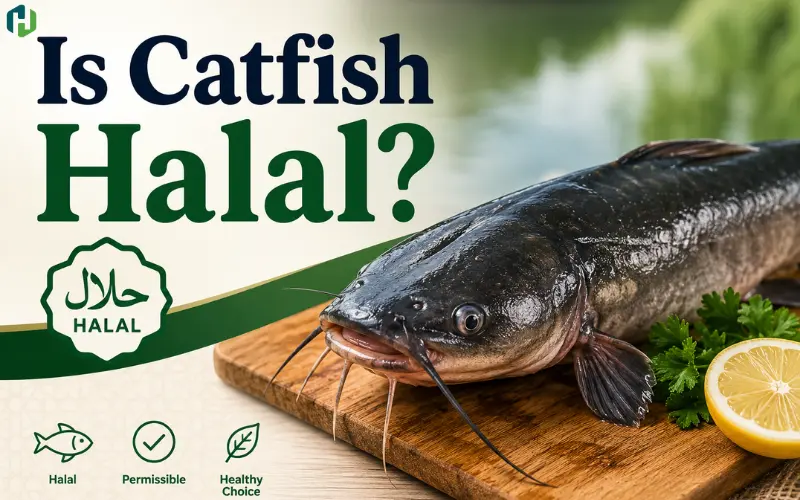
Catfish is one of the most commonly consumed freshwater fish in many parts of the world. It is popular for its mild flavor, affordability, and versatility in cooking. From Southern fried catfish in the United States to grilled and baked catfish dishes served across different cultures, this fish has become a staple seafood option for millions of people. For Muslim consumers, however, one question frequently comes up: Is catfish halal?
Unlike some seafood items that create scholarly debate, catfish is generally considered one of the more straightforward seafood choices. However, questions still arise about farming practices, processing methods, restaurant preparation, and whether catfish remains halal when served in certain dishes. This is why searches such as catfish halal, is catfish halal for Muslims, can Muslims eat catfish, and catfish halal or haram continue to appear online.
Catfish is generally considered halal by the vast majority of Islamic scholars because it is a fish. Most Muslims can eat catfish without concern, although preparation methods, ingredients, and restaurant practices should still be checked to ensure the final dish remains halal.
Quick Overview Table
Is Catfish Halal?
For most Muslims, catfish is considered halal without significant disagreement among scholars.
The reason is fairly simple. Catfish is a true fish species and falls within the category of seafood that is widely accepted across Islamic schools of thought. Unlike squid, octopus, or certain shellfish that may generate discussion among scholars, catfish does not usually face the same level of debate.
As a result, catfish is commonly consumed by Muslims throughout the United States, the United Kingdom, the Middle East, Africa, and many Asian countries.
For everyday consumers, the bigger concern is usually not the fish itself but rather how it is prepared before reaching the table.
What Is Catfish?
Catfish refers to a diverse group of freshwater fish known for their distinctive whisker-like barbels around the mouth.
These fish are found throughout rivers, lakes, ponds, and commercial fish farms worldwide. Their name comes from the appearance of the barbels, which resemble a cat’s whiskers.
Catfish are particularly popular because they:
- Grow quickly
- Adapt well to fish farming
- Have mild-tasting meat
- Are relatively affordable
- Work well in many cooking styles
Their widespread availability has helped make catfish one of the most consumed freshwater fish species globally.
Why Do Muslims Ask About Catfish?
At first glance, catfish may seem like an obvious halal food.
However, modern food production often raises questions that go beyond the animal itself. Many Muslim consumers want to know:
- How the fish was raised
- What it was fed
- Whether alcohol-based ingredients are used
- If cross-contamination occurs during processing
- Whether restaurant preparation affects halal status
These concerns are understandable because halal food involves more than simply identifying the source animal.
Understanding the entire production chain helps Muslims make informed decisions.
Is Farm-Raised Catfish Halal?
Most catfish sold in supermarkets today comes from fish farms rather than natural waterways.
Farm-raised catfish is generally considered halal because the fish itself remains halal regardless of whether it was raised in a pond, lake, or commercial farming operation.
Some consumers occasionally question fish feed ingredients. While feed formulations can vary, mainstream scholarly opinions generally do not consider fish feed a factor that changes the halal status of the fish itself.
As a result, farm-raised catfish remains widely accepted among Muslim consumers.
Is Wild Catfish Halal?
Wild catfish are caught from rivers, lakes, and other freshwater environments.
From a halal perspective, wild catfish receives the same ruling as farm-raised catfish because both belong to the same fish species.
Some consumers prefer wild catfish because they believe it offers a more natural diet and habitat. Others choose farm-raised varieties due to availability and consistency.
In terms of halal status, however, both options are generally considered permissible.
Does Cooking Method Affect Halal Status?
Although catfish itself is halal, the final dish can become questionable depending on how it is prepared.
For example, some recipes may include ingredients that raise halal concerns.
Potential issues include:
- Alcohol-based sauces
- Non-halal flavorings
- Animal fats from non-halal sources
- Cross-contamination during cooking
This is why many Muslims examine preparation methods rather than focusing only on the fish itself.
The halal status of a meal depends on both the main ingredient and everything added during the cooking process.
Catfish vs Other Seafood
Many consumers compare catfish with other seafood products when evaluating halal status.
Unlike some marine species that generate scholarly discussion, catfish enjoys broad acceptance because it clearly falls within the fish category.
Seafood Comparison Table
This broad consensus is one reason catfish remains a popular choice among Muslim families.
Is Fried Catfish Halal?
Fried catfish is particularly popular in the United States.
In most cases, fried catfish remains halal when the ingredients and cooking environment meet halal requirements.
The fish itself is generally not the issue. Instead, Muslims should pay attention to:
- Shared frying oil
- Batter ingredients
- Seasonings
- Cooking equipment
- Cross-contamination risks
For example, if catfish is cooked in the same fryer used for non-halal meats, some Muslims may choose to avoid it.
Checking restaurant practices can provide additional confidence.
Ingredient Analysis Table
Is Smoked Catfish Halal?
Smoked catfish has become increasingly popular because of its rich flavor and long shelf life.
The smoking process itself does not affect halal status. However, consumers should still examine ingredient labels.
Some manufacturers add:
- Flavor enhancers
- Marinades
- Preservatives
- Specialty seasonings
Most products remain halal-friendly, but checking labels remains a good practice.
This is especially important when purchasing processed seafood products from unfamiliar brands.
Is Catfish Halal in the United States?
Catfish is one of the most popular freshwater fish in the United States.
American consumers commonly encounter catfish in:
- Seafood restaurants
- Southern-style restaurants
- Grocery stores
- Fish markets
- Fast-casual seafood chains
For Muslim consumers, the primary concern is usually restaurant preparation rather than the fish itself.
Questions worth asking include:
- Are separate fryers used?
- Are alcohol-based ingredients included?
- Is cross-contamination possible?
Many halal restaurants and seafood establishments serve catfish without issue.
As a result, catfish remains one of the easiest seafood options for Muslims living in the United States.
Is Catfish Halal in the United Kingdom?
Catfish is less common in the United Kingdom compared with some other fish species, but it is still available in many seafood markets and specialty stores.
British Muslims generally regard catfish as halal because it is a fish species accepted across major Islamic schools of thought.
As in the United States, preparation practices deserve attention.
Consumers should review ingredient labels and ask restaurants about cooking methods when necessary.
The fish itself rarely creates concerns.
Nutritional Benefits of Catfish
Catfish offers several nutritional advantages that contribute to its popularity.
It is a good source of:
- Protein
- Vitamin B12
- Selenium
- Phosphorus
- Omega fatty acids
Compared with many heavily processed foods, catfish provides a nutrient-rich option that fits well into balanced diets.
Grilled, baked, or air-fried catfish can be especially appealing for individuals seeking healthier seafood choices.
How We Evaluated Catfish
Determining whether catfish is halal requires looking beyond simple assumptions.
We considered multiple factors that influence halal suitability.
Evaluation Table
This balanced approach provides a practical assessment for Muslim consumers.
Common Misconceptions About Catfish
One misconception is that catfish might be questionable because it is a bottom-feeding fish.
While catfish often feed near the bottom of rivers or ponds, this characteristic does not change its classification as a fish.
Another misconception is that farm-raised fish become non-halal because of commercial feed.
Most scholars do not view standard fish farming practices as changing the halal status of fish species.
These misunderstandings sometimes create unnecessary confusion among consumers.
Best Halal Seafood Alternatives
Although catfish is generally halal, some consumers enjoy exploring other seafood options.
Alternative Seafood Table
These fish are widely accepted and commonly available in most seafood markets.
We hope you guys find this guide helpful. If you like this one, here we have more for you:
- Is Calamari Halal or Haram?
- Is Parmesan Halal or Haram?
- Are Twizzlers Halal or Haram?
- Is Greggs Halal or Haram?
- Is Lindt Chocolate Halal?
FAQs
Is catfish halal?
Yes. Catfish is generally considered halal because it is a fish species accepted by the vast majority of scholars.
Can Muslims eat catfish?
Yes. Most Muslims can eat catfish without concern, provided the preparation remains halal.
Is farm-raised catfish halal?
Yes. Farm-raised catfish is generally considered halal.
Is wild catfish halal?
Yes. Wild-caught catfish is halal and widely accepted.
Is fried catfish halal?
Usually yes, but consumers should check frying methods and ingredients.
Does catfish contain pork?
No. Catfish is a fish and does not naturally contain pork ingredients.
Is smoked catfish halal?
Generally yes, although ingredient labels should be reviewed.
Catfish halal or haram?
Catfish is overwhelmingly considered halal by scholars and Muslim consumers worldwide.
Conclusion
After examining fish classification, farming practices, cooking methods, ingredient concerns, and scholarly opinions, the conclusion is clear.
Catfish is halal. Unlike some seafood items that generate debate, catfish enjoys broad acceptance because it is a recognized fish species. Most Muslims can consume catfish confidently whether it is wild-caught, farm-raised, grilled, baked, or fried.
The main consideration is not the fish itself but how the final dish is prepared. Alcohol-based ingredients, non-halal additives, and cross-contamination should always be evaluated when eating processed or restaurant-prepared foods.