
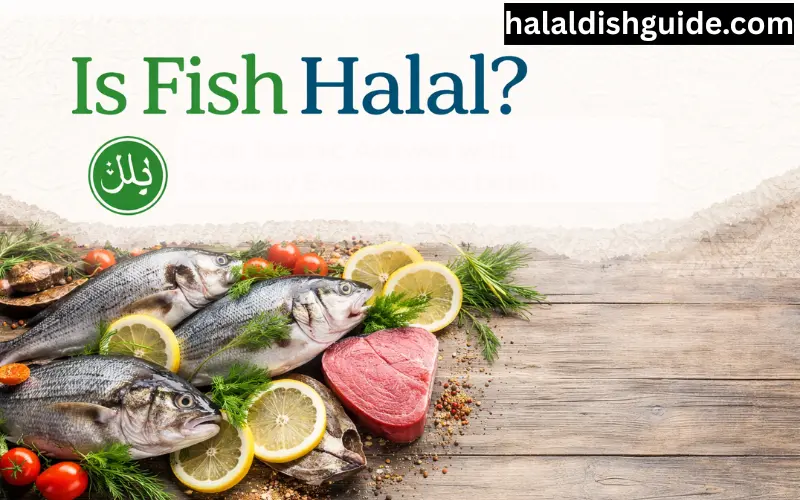
Is fish halal? Yes. Most fish are considered halal to eat, and unlike animals such as chicken or beef, fish do not require halal slaughter before they can be eaten. That’s why fish is often the easiest seafood choice for Muslims. The only time concerns usually arise is after the fish has been processed, cooked with non-halal ingredients, or prepared in a way that introduces cross-contamination.
I remember standing in the frozen food aisle looking at a box of fish fillets and thinking, “This should be simple.” Then I noticed words like beer batter, shared fryer, and seafood seasoning on different products. Suddenly, buying fish didn’t seem as straightforward as it first appeared.
The good news is that the fish itself is rarely the problem. In most cases, it’s everything added before or after cooking that deserves a closer look. Once you know what to watch for, choosing halal fish becomes much easier.
Quick Overview
Why Fish Is Different From Other Meat
When people first start following a halal diet, they often compare fish to chicken or beef. That comparison doesn’t really work.
Chicken, lamb, and cattle must go through halal slaughter before they’re permissible to eat. Fish sits in a completely different category. Whether it’s salmon, cod, tuna, haddock, trout, sardines, or sea bass, the fish itself is generally regarded as halal without any slaughter requirement.
That’s one reason fish is so popular among Muslims living in the USA and UK. When halal meat isn’t easy to find, fish becomes one of the simplest choices because the focus shifts away from slaughter and toward how the food is prepared.
That doesn’t mean every fish meal is automatically halal. The fish itself may be perfectly fine, but marinades, sauces, coatings, and cooking methods can completely change the final ruling.
If you’re wondering about shrimp, prawns, or shellfish specifically, we have a separate guide on whether shrimp is halal that covers the madhab differences in detail.
Does Fish Need Halal Slaughter?
This is one of the questions I hear most often.
The answer is simple.
No, fish does not require halal slaughter.
Whether the fish is caught in the ocean, pulled from a river, or raised on a fish farm, halal slaughter isn’t required in the same way it is for beef, lamb, or chicken.
That’s also why you don’t usually see fresh fish carrying a halal certification logo. In most cases, the fish itself doesn’t need one.
Where Muslims need to pay more attention is processed seafood.
A plain salmon fillet is very different from frozen breaded fish, fish burgers, or ready-made seafood meals filled with extra ingredients.
In other words, the fish is usually halal—but the finished product deserves a closer look.
Fresh Fish vs Frozen Fish
Many people assume fresh fish must somehow be more halal than frozen fish.
That’s not really true.
Freezing doesn’t change whether a fish is halal.
A fresh cod fillet and a frozen cod fillet are equally permissible if nothing questionable has been added during processing.
The real difference is the ingredient list.
Fresh fish is usually sold exactly as it was caught, with little more than ice for preservation.
Frozen seafood often contains added seasonings, coatings, marinades, preservatives, or prepared sauces.
For example, plain frozen salmon is generally no different from fresh salmon.
A frozen beer-battered fish fillet, however, deserves much closer attention because the coating itself may introduce halal concerns.
Whenever I buy frozen seafood, I spend a few extra seconds reading the ingredients. It’s one of the easiest habits you can develop, and it often tells you far more than the front of the package.
Related Post: Is Frozen Meat Halal or Haram?
Buying Fish at the Supermarket
The seafood section can feel surprisingly confusing.
You’ll usually find fresh fillets, frozen fish, breaded products, ready-to-cook meals, smoked seafood, canned fish, and marinated portions all sitting next to each other.
The safest purchases are often the simplest ones.
Plain fish with no added ingredients rarely creates halal concerns.
As products become more processed, it’s worth paying closer attention to the label.
Ingredients such as beer batter, wine-based marinades, unclear flavorings, or complex seasoning blends deserve a second look before they go into your shopping basket.
I’ve found that after checking labels a few times, it becomes second nature. Now I can usually tell within a few seconds whether a product is straightforward or whether it needs a little more investigation.
Farmed Fish vs Wild Fish
Another question that comes up quite often is whether farmed fish is any different from wild fish from a halal perspective.
The short answer is no. Both are generally considered halal.
Wild fish live in oceans, rivers, and lakes, while farmed fish are raised in controlled environments and fed specially prepared diets. Where the fish comes from doesn’t change its halal status.
What can make a difference is what happens after it’s harvested.
Some farmed fish are sold plain, while others are marinated, smoked, or coated with seasonings before reaching the supermarket. That’s why it’s still worth reading the ingredient list, whether you’re buying wild-caught salmon or farm-raised tilapia.
If you’re choosing plain fish with no added ingredients, the source is rarely the issue.
Related Post: Is Catfish Halal or Haram?
Fish at Restaurants Isn’t Always as Simple as It Looks
Ordering fish at a restaurant often feels like the safest choice.
Sometimes it is.
Sometimes it isn’t.
The fish itself is usually halal, but the way it’s prepared can raise other concerns.
One of the biggest examples is the shared fryer. Many restaurants cook fish in the same oil used for chicken, pork products, or other non-halal foods throughout the day.
The same issue applies to grills. Fish may be cooked on the same surface used for bacon, burgers, or sausages without being cleaned between orders.
Sauces deserve attention too. Beer batter, wine-based sauces, or alcohol-containing glazes can turn an otherwise simple fish dish into something many Muslims prefer to avoid.
Whenever I order fish, I don’t just ask what type of fish it is—I ask how it’s cooked. That answer usually matters much more.
Fish Fingers and Other Processed Fish Products
Fish fingers are quick, affordable, and popular in many households.
Some brands contain little more than fish, breadcrumbs, seasoning, and vegetable oil.
Others include beer batter, flavor enhancers, sauces, or ingredients that aren’t obvious from the front of the package.
The easiest approach is choosing products with short, simple ingredient lists. The fewer added ingredients there are, the fewer surprises you’ll usually find.
Can Fish Become Haram?
This is probably the most misunderstood part of the discussion.
People often ask,
“If fish is halal, doesn’t that mean every fish meal is halal too?”
Not necessarily.
The fish itself may be completely halal, but what happens during cooking can change the situation.
A grilled salmon fillet seasoned with herbs is very different from fish coated in beer batter.
Likewise, fish covered in a wine-based sauce or fried in oil that’s constantly used for pork products may raise concerns for Muslims trying to avoid doubtful food.
It’s helpful to separate the fish from the recipe.
The fish is usually halal.
The cooking method is what deserves your attention.
Fish Products & Halal Status
Fish Products & Halal Status
Fresh fish, plain frozen fillets, and canned seafood with simple ingredients are usually the easiest choices because very little has been added.
As seafood becomes more processed, it’s worth paying closer attention.
Breaded fish, seafood pies, ready meals, marinated fillets, and fish burgers often include extra ingredients that deserve checking.
Beer batter, alcohol-based sauces, and unclear flavorings are far more common than many shoppers realize.
Reading the ingredient label remains one of the simplest ways to avoid unnecessary uncertainty.
Common Mistakes Muslims Make When Buying Fish
One common mistake is assuming every seafood product is automatically halal simply because it contains fish.
The fish may be halal, but the finished product could include ingredients that aren’t.
Another mistake is overlooking the cooking method. Shared fryers and shared grills are common in restaurants and can become a concern depending on your level of caution.
I’ve also made the mistake of buying frozen seafood without checking the ingredients, only to discover beer batter after getting home. Since then, I always spend a few extra seconds reading the label before buying.
Small checks like these make choosing halal fish much easier and help avoid unnecessary doubt.
If you like this one, here we have more for you:
Frequently Asked Questions
Is fish halal?
Yes. Most fish are considered halal and do not require halal slaughter before being eaten. Fresh fish and plain frozen fish are usually the safest choices because they contain few or no added ingredients.
Does fish need halal slaughter?
No. Unlike beef, lamb, or chicken, fish does not require halal slaughter. The main concerns usually come from processing, ingredients, and cooking methods rather than the fish itself.
Can Muslims eat fish from restaurants?
Yes, but it’s worth asking how it’s prepared. Shared fryers, beer batter, wine-based sauces, and cross-contamination can all affect whether the final meal is suitable for someone following a halal diet.
Is frozen fish halal?
Plain frozen fish is generally halal, just like fresh fish. Always check the ingredient list because some frozen products contain coatings, marinades, or sauces that may not be suitable.
Is canned fish halal?
Yes. Canned tuna, sardines, and salmon are generally halal. It’s still a good idea to read the label for any added sauces, flavorings, or other ingredients that could change the halal status.
Is battered fish halal?
The fish itself is halal, but the batter deserves a closer look. Some restaurants and chip shops use beer batter, which many Muslims choose to avoid. If you’re unsure, ask what the batter contains before ordering.
Conclusion
So, is fish halal? In most cases, yes. Fresh fish and plain frozen fish are generally halal and don’t require halal slaughter. The real questions begin after the fish leaves the water—during processing, cooking, and serving. The fish itself is almost never the problem—it’s the beer batter, the shared fryer, and the sauce it’s served with that need a second look.