
If you’ve been searching for the best Masaco Banana near me, there’s a good chance you’ve never actually tasted it before. Maybe you spotted the name on a Bolivian restaurant menu, watched someone making it in a travel video, or saw a photo online and wondered, “What exactly is Masaco Banana?” You’re not alone. Outside Bolivia, it’s still one of those dishes that most people discover by accident.
That was exactly how I found it. I expected something sweet because the word banana was right there in the name. Instead, I was served a warm, comforting dish that balanced the natural sweetness of ripe bananas with salty cheese and butter. It wasn’t a dessert at all. It felt more like the kind of homemade breakfast or family meal that’s been passed down for generations.
The difficult part isn’t deciding whether to try it—it’s actually finding a restaurant that serves an authentic version. Many South American restaurants don’t include it on their online menus, and some only prepare it on weekends or for breakfast. Knowing where to look makes all the difference.
Quick Overview
What Is Masaco Banana?
Masaco Banana originates from the eastern lowlands of Bolivia — particularly the Beni and Santa Cruz departments where bananas and plantains grow in abundance. In these regions, it’s traditionally prepared using a wooden mortar called a tacu, where the cooked banana is mashed by hand rather than blended. That manual process gives the dish its characteristic rustic texture that blended versions simply can’t replicate.
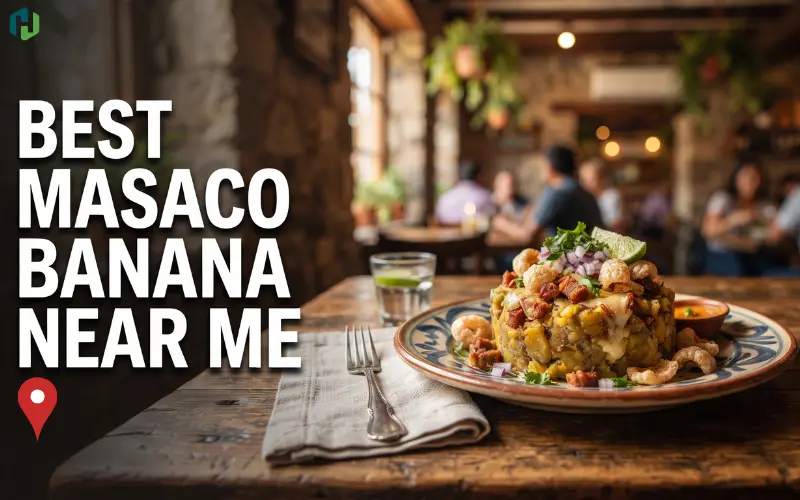
Masaco Banana is a traditional Bolivian dish made by mashing cooked ripe bananas together with butter, cheese, and sometimes small pieces of dried or smoked meat. The mixture is warm, soft, and surprisingly filling despite using only a handful of ingredients.
The bananas are usually boiled or roasted until they’re soft enough to mash easily. Once mashed, they’re mixed with butter to create a rich texture before fresh cheese is folded through the mixture. In some regions, shredded dried beef or pork is added to create a heartier version, while others keep it completely vegetarian.
One thing I like about Masaco Banana is how honest it feels. Nothing is hidden behind heavy sauces or complicated seasonings. Every ingredient has its own purpose, and together they create a meal that’s comforting without feeling heavy.
Although it may look simple, getting the texture right takes experience. Good Masaco Banana should stay soft without becoming sticky or watery. The banana should still taste fresh, while the cheese adds just enough saltiness to balance the natural sweetness.
Related Post: Best Tarta de Choclo Near Me
Sweet or Savory? The First Surprise
The biggest misconception about Masaco Banana is that it’s a dessert.
It isn’t.
Most people see the word banana and expect something sugary like banana bread or banana pudding. Traditional Masaco Banana is completely different.
Yes, ripe bananas bring natural sweetness, but the overall dish is much more savory than sweet. The butter gives it richness, the cheese adds a slightly salty flavor, and if meat is included, the balance shifts even further toward savory.
That’s why many first-time visitors are surprised after their first bite. The banana is definitely there, but it doesn’t overpower everything else. Instead, it works with the cheese and butter to create something that feels warm, creamy, and comforting.
I’ve recommended Masaco Banana to friends who normally avoid sweet breakfasts, and most of them ended up enjoying it because it doesn’t taste like a dessert at all.
How to Find Authentic Masaco Banana Near You
Finding authentic Masaco Banana can take a little patience because it’s rarely advertised as heavily as other South American dishes.
The first place I check is always a Bolivian restaurant. Even if Masaco Banana isn’t listed on the website, there’s still a good chance it’s available as a breakfast item or a weekend special.
Restaurants serving a broader South American menu are also worth exploring. Some include traditional Bolivian recipes alongside dishes from Peru, Chile, and Argentina, especially if they’re family-owned.
Food festivals can also be a great place to discover it. Bolivian community events often feature homemade recipes that never appear in regular restaurants.
One thing I’ve learned is not to depend entirely on online menus. Smaller restaurants frequently update their daily specials without changing their websites. Calling ahead usually gives you the most accurate answer.
Searching only for “Best Masaco Banana near me” often produces very few results. Searching for “Bolivian restaurant near me” or “South American restaurant near me” usually works much better because many restaurants simply don’t mention individual dishes online.
The Google Maps Trick That Actually Works
Google Maps is helpful, but only if you search the right way.
Instead of typing “Masaco Banana near me,” search for “Bolivian restaurant near me.” This usually brings up far more useful results.
After opening a restaurant profile, go directly to the Photos section. Customers regularly upload pictures of their meals, and you may spot Masaco Banana even if it doesn’t appear on the official menu.
The Reviews section can also save time. Searching within reviews for words like “Masaco,” “banana,” or even “breakfast” often reveals whether other customers have already ordered it.
Before driving across town, I usually make a quick phone call. Many restaurants only prepare Masaco Banana on certain days because it’s made fresh rather than kept ready throughout the week. A two-minute conversation can save you a wasted trip and often tells you whether the restaurant takes the dish seriously.
Related Post: Best Ensalada de Arroz Near Me
What Makes a Great Masaco Banana?
The best Masaco Banana doesn’t rely on expensive ingredients. It depends on freshness, balance, and careful preparation.
Everything starts with the bananas. They should be fully ripe so they bring natural sweetness, but not so overripe that the dish becomes overly sugary. Fresh bananas give the mash a smooth texture without making it feel heavy.
The cheese matters just as much. Traditional versions often use fresh white cheese that adds a mild salty flavor. It shouldn’t completely melt into the mash. Small pieces of cheese scattered throughout the dish create a much better texture than a smooth, uniform mixture.
Butter is another important ingredient. It adds richness without making the dish greasy. A good Masaco Banana feels soft and creamy, not oily.
Texture is something many people overlook. Authentic Masaco Banana shouldn’t look like baby food or mashed potatoes. It should have a slightly rustic texture with small pieces of banana still visible. That homemade appearance is part of its charm.
I’ve found that the best versions are almost always prepared fresh after you order. Freshly made Masaco Banana has a warmth and softness that’s difficult to match if it’s been sitting for hours.
Signs You’ve Found a Truly Authentic Bolivian Restaurant
Authentic restaurants usually care more about the food than creating an impressive menu.
One thing I’ve noticed is that many family-owned Bolivian restaurants don’t even advertise Masaco Banana heavily. Regular customers already know to ask for it, especially at breakfast or on weekends. If you call ahead and the staff immediately know what you’re talking about without needing to check, that’s usually a very good sign.
Another clue is the menu itself. Restaurants that serve several traditional Bolivian dishes instead of only internationally popular foods are often much closer to authentic home cooking.
Fresh preparation also stands out. When a restaurant is willing to tell you that Masaco Banana isn’t available today because they only make it fresh, I actually see that as a positive sign. It usually means they’re focused on quality rather than serving frozen food every day.
Finally, pay attention to the atmosphere. Smaller family-run restaurants often prepare traditional recipes using methods passed down through generations. That experience is difficult for larger chains to copy.
Red Flags Before Ordering
Not every plate of Masaco Banana is worth ordering.
If the dish looks bright yellow with an almost artificial color, there’s a good chance extra coloring or processed ingredients have been used instead of naturally ripe bananas.
Another warning sign is an overly sweet flavor. Traditional Masaco Banana has gentle sweetness from the fruit itself, but it shouldn’t taste like banana dessert. Restaurants sometimes add unnecessary sugar to compensate for poor-quality bananas.
Texture can also tell you a lot. If everything is blended completely smooth like pudding, the bananas have probably been over-processed. Authentic versions usually keep a little texture.
I’ve also become cautious when restaurants claim to have fresh Masaco Banana available every hour of every day. Since it’s usually made in smaller batches, that often suggests frozen or pre-made portions rather than freshly prepared food.
One final clue is the cheese. If you can’t actually taste it or see small pieces mixed through the mash, the balance of the dish often feels incomplete.
Related Post: Best Pollo al Champignon Near Me
Is Masaco Banana Halal?
Traditional Masaco Banana is one of the more halal-friendly dishes you’ll find in Bolivian cuisine, but there are still a few things worth checking before ordering.
The classic vegetarian version is made with ripe bananas, butter, fresh cheese, and a little salt. Those ingredients are generally suitable for Muslims, provided the cheese uses vegetarian or halal-friendly rennet.
Some traditional recipes include shredded dried beef or pork to make the dish more filling. If meat is included, ask whether it’s halal certified before ordering. The meat itself isn’t the problem—its source is.
Cheese is another ingredient that’s worth asking about. Some restaurants use cheeses made with animal rennet, while others choose vegetarian or microbial rennet. Most restaurants can answer this question quickly if you ask.
Although traditional recipes don’t normally contain alcohol, modern restaurants sometimes add their own twist to classic dishes. Butter sauces or other additions occasionally include cooking wine, so it’s always sensible to ask whether any alcohol-based ingredients are used.
Cross-contamination is also something some Muslim diners prefer to consider. If pork products are cooked on the same surface without cleaning, you may want to ask how the kitchen handles different foods.
Whenever I order Masaco Banana somewhere new, I simply ask three questions: Is the cheese vegetarian? If there’s meat, is it halal certified? And are any alcohol-based ingredients used during preparation? Those simple questions usually remove any uncertainty.
Best Cities to Find Masaco Banana
Outside Bolivia, Masaco Banana isn’t available everywhere, but some cities give you a much better chance than others.
United States
Northern Virginia — specifically Arlington and Alexandria — is your best starting point in the US. This area has one of the largest Bolivian communities in the entire country, which means more family-owned Bolivian restaurants and a much better chance of finding traditional dishes like Masaco Banana on the menu or as a weekend special.
New York City is another strong option. The diversity of South American restaurants, particularly in Queens and Brooklyn, gives you more chances to find authentic Bolivian cooking beyond the usual empanadas and grilled meats.
Miami, Los Angeles, and Houston all have growing Latin American food scenes where Bolivian restaurants occasionally appear, though Bolivian cuisine is still less common there than Argentine or Peruvian food.
United Kingdom
London is your best option in the UK by a significant margin. La Paceña Grill in North London is widely considered one of the most authentic Bolivian restaurants in the country — family-run, traditional recipes, and genuinely worth calling ahead to check availability.
Manchester and Birmingham are also worth checking for independent South American restaurants, though Bolivian-specific options remain rare outside London.
Related Post: Best Anticucho Boliviano Near Me
FAQs
What is Masaco Banana?
Masaco Banana is a traditional Bolivian dish made from mashed ripe bananas mixed with butter and fresh cheese. Some regional recipes also include shredded dried beef or pork, while others keep it completely vegetarian.
Is Masaco Banana sweet or savory?
It’s mostly savory. The ripe bananas add natural sweetness, but the cheese, butter, and optional meat create a balanced flavor that feels more like a comforting meal than a dessert.
Is Masaco Banana halal?
The vegetarian version is generally halal because it’s made with bananas, butter, and cheese. Before ordering, ask what type of cheese is used, whether any meat is included, and if the recipe contains any alcohol-based ingredients.
Why can’t I find Masaco Banana on Google Maps?
Most restaurants don’t list every dish on their Google Business profile. Searching for “Bolivian restaurant near me” usually works much better than searching for the dish itself. Calling ahead is also a good idea because many restaurants only prepare it on certain days.
Is Masaco Banana served for breakfast or dinner?
Traditionally, it can be eaten at almost any time of the day. Many Bolivian families enjoy it for breakfast, while others serve it for lunch or as a light evening meal.
Does every Masaco Banana contain meat?
No. Many restaurants prepare a vegetarian version using only bananas, butter, and cheese. Meat is optional and depends on the recipe being used.
Can I order Masaco Banana for takeaway?
Yes. Most restaurants can prepare it for takeaway, but it’s usually at its best when served fresh while it’s still warm and creamy.
What should I order with Masaco Banana?
Traditional Masaco Banana is filling enough on its own. Some restaurants serve it with coffee, fresh juice, or a simple side salad, but the dish doesn’t need many extras to be satisfying.
Conclusion
Finding the best Masaco Banana near me takes a little more effort than searching for more familiar South American dishes, but it’s absolutely worth it. The restaurants that prepare it well don’t rely on complicated recipes or trendy ingredients. They simply use ripe bananas, fresh cheese, butter, and traditional cooking methods that have been part of Bolivian home kitchens for generations.
Instead of searching only for the dish itself, start by looking for a Bolivian restaurant or a family-owned South American restaurant. Browse customer photos, read recent reviews, and don’t hesitate to make a quick phone call. Many restaurants prepare Masaco Banana only on specific days, and asking about it before you visit often tells you more about the restaurant than any online rating ever will.
When you finally find an authentic plate, you’ll understand why Bolivians have enjoyed this comforting dish for generations. It’s simple, homemade, and full of honest flavor—proof that great food doesn’t have to be complicated to be memorable.