

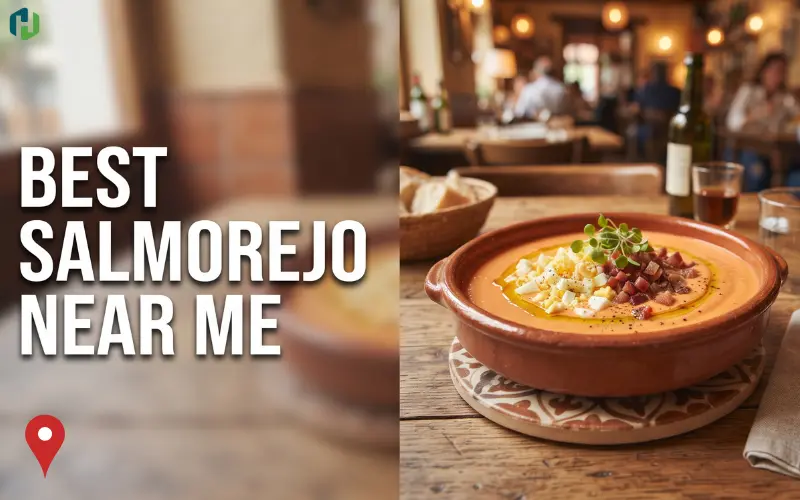
If you’ve been searching for the best Salmorejo near me, chances are you’ve already heard someone compare it to gazpacho. At first, I thought they were basically the same dish too. They both come from Spain, they’re both served cold, and they’re both made with tomatoes. After trying authentic Salmorejo for the first time, I realized that’s where the similarities end.
I ordered my first bowl at a small Spanish restaurant that specialized in traditional dishes from Córdoba. It arrived thick, silky, and topped with olive oil, chopped egg, and cured ham. It wasn’t a soup I rushed through. Every spoonful felt rich, fresh, and surprisingly filling. If you’re expecting a light tomato soup, Salmorejo will probably surprise you in the best possible way.
The challenge is finding an authentic version. Many restaurants either don’t serve it year-round or replace the traditional recipe with something that looks similar but tastes completely different. Knowing where to search can save you a lot of disappointment.
Quick Overview
What Is Salmorejo?
Salmorejo is a traditional cold tomato soup that comes from Córdoba, a historic city in southern Spain’s Andalusia region. While it shares a few ingredients with gazpacho, it’s a completely different dish with its own texture, flavor, and history.
Salmorejo’s history actually predates tomatoes in Spain. Early versions were made with bread, garlic, olive oil, vinegar, and water — a simple peasant dish designed to use leftover bread. When tomatoes arrived from the Americas in the 16th century, Andalusian cooks gradually incorporated them, and the bright red version we know today was born. That history of resourcefulness — using humble ingredients exceptionally well — is still at the heart of every authentic bowl.
The recipe is surprisingly simple. Ripe tomatoes, day-old bread, extra virgin olive oil, garlic, and a little salt are blended together until perfectly smooth. That’s it. There are no complicated spices or long ingredient lists. The quality of each ingredient is what makes the biggest difference.
Day-old or stale bread works better than fresh because it doesn’t add extra moisture that would thin the soup. As it blends, it breaks down completely and contributes to the thickness and slight sweetness that authentic Salmorejo is known for.
Spanish olive oil — ideally from Andalusia itself — makes a noticeable difference too. Restaurants using generic vegetable oil or low-quality olive oil produce a completely different soup. The olive oil isn’t just an ingredient in Salmorejo — it’s half the flavor.
Unlike many chilled soups, Salmorejo is thick enough to eat with a spoon. The bread creates a creamy consistency, while the olive oil gives it a rich, velvety finish that coats every bite.
Traditional Salmorejo is usually served cold with chopped hard-boiled egg and slices of jamón serrano on top. Some restaurants also drizzle a little extra olive oil over the bowl just before serving, adding even more flavor.
One thing I really appreciate about Salmorejo is that it doesn’t try to be flashy. It takes a handful of everyday ingredients and turns them into something that feels comforting, refreshing, and surprisingly satisfying.
Related Post: Best Tarta de Choclo Near Me
Why Salmorejo Is Different from Gazpacho
People often use these names interchangeably, but they’re actually two very different dishes.
Gazpacho is much lighter. It usually contains tomatoes, cucumbers, peppers, onions, vinegar, garlic, olive oil, and water. Because of those extra vegetables, it’s thinner and drinks almost like a smoothie.
Salmorejo keeps things much simpler.
Instead of adding cucumbers and peppers, it focuses almost entirely on tomatoes, bread, olive oil, and garlic. The bread gives it a creamy texture that makes it feel more like a meal than a drink.
The flavor is different too. Gazpacho has a fresher, more acidic taste because of the vinegar and raw vegetables. Salmorejo is richer and smoother, with the sweetness of ripe tomatoes balanced by good-quality olive oil.
Serving style also sets them apart. Gazpacho is often poured into a glass during hot weather, while Salmorejo is traditionally served in a bowl with toppings like chopped egg and jamón. It’s filling enough to enjoy as a light lunch or starter.
If you’ve only tried gazpacho before, don’t assume you already know what Salmorejo tastes like. They may share tomatoes, but the eating experience is completely different.
Where Can You Find the Best Salmorejo Near You?
The best place to start is with an authentic Spanish restaurant.
Restaurants that specialize in traditional Spanish cooking are far more likely to prepare Salmorejo using the classic recipe instead of making shortcuts. Even if it’s not listed on the main menu, many Spanish restaurants offer it as a seasonal special during warmer months.
Andalusian restaurants are another excellent option because Salmorejo comes directly from that region. These restaurants often focus on regional recipes that don’t always appear in general Spanish restaurants.
Tapas bars can also be worth visiting. While they’re famous for serving small plates, many also prepare chilled soups during spring and summer, especially when fresh tomatoes are in season.
I’ve also found that independent European cafés sometimes surprise you. Owners with Spanish backgrounds occasionally include homemade Salmorejo as a daily special, even if it’s not advertised online.
One thing I’ve learned is not to judge a restaurant by its website alone. Some of the best bowls of Salmorejo I’ve eaten never appeared on the online menu. They were simply seasonal favorites that regular customers already knew to ask for.
How to Search on Google Maps Like a Local
Searching only for “Salmorejo near me” doesn’t always give the best results because many restaurants don’t list every dish they serve online.
A better approach is to search for “Spanish restaurant near me” or “tapas bar near me.” Once you’ve found a few restaurants, open their Google Maps listings and head straight to the Photos section. Customers often upload pictures of meals that never appear on the official menu, and Salmorejo is one of those dishes.
The Reviews tab is just as useful. Type “Salmorejo” into the search box within the reviews to see if previous customers have mentioned it. If several people recommend it, that’s usually a good sign that the restaurant prepares it regularly instead of offering it only once in a while.
Before making the trip, I usually call the restaurant. Since Salmorejo is traditionally made with fresh, ripe tomatoes, some restaurants only serve it during the warmer months. A quick phone call can save you time and help you find the freshest version available.
What Makes Authentic Salmorejo?
Authentic Salmorejo isn’t about adding more ingredients. It’s about choosing better ones.
Everything starts with ripe tomatoes. They should be naturally sweet, juicy, and full of flavor because they’re the main ingredient. If the tomatoes aren’t good, no amount of seasoning can fix the soup.
Extra virgin olive oil is just as important. A generous amount is blended into the mixture, creating the rich, silky texture that makes Salmorejo famous. Cheap oil simply doesn’t produce the same result.
Traditional recipes also use day-old bread rather than fresh bread. As it blends with the tomatoes, it creates a thick, creamy consistency without making the soup feel heavy.
Garlic is added carefully. It should provide a gentle kick rather than overpower every spoonful. A well-made Salmorejo tastes balanced, allowing the sweetness of the tomatoes and the richness of the olive oil to stand out.
Temperature matters too. Salmorejo should always be served well chilled. Serving it warm changes both the texture and the overall flavor.
I’ve noticed that the best restaurants never rush the process. They allow the soup to chill properly before serving, giving all the ingredients time to blend together naturally.
Related Post: Best Ensalada de Arroz Near Me
Red Flags Before Ordering
Not every bowl of Salmorejo deserves to be called authentic.
One of the first warning signs is a soup that’s too thin. Traditional Salmorejo should be creamy enough to eat with a spoon. If it pours like tomato juice, it’s probably closer to gazpacho than true Salmorejo.
The color can also tell you a lot. Fresh tomatoes create a deep, natural red. If the soup looks unnaturally bright or almost fluorescent, it may contain tomato concentrate or artificial coloring instead of fresh ingredients.
Another red flag is temperature. Salmorejo should arrive cold. If it’s served at room temperature or warm, it loses much of the refreshing quality that makes it special.
Pay attention to the olive oil flavor as well. Authentic Salmorejo should have a smooth, fruity richness from high-quality extra virgin olive oil. If you barely notice the oil, the restaurant may be cutting corners.
I’ve also become cautious when the texture is full of bubbles or foam. That usually means it was blended quickly and served immediately instead of being allowed to rest and chill. A proper Salmorejo should be smooth, creamy, and velvety from the first spoonful to the last.
Is Salmorejo Halal?
Traditional Salmorejo is mostly made with halal-friendly ingredients. Tomatoes, bread, garlic, olive oil, and salt are all naturally permissible, making the base of the soup suitable for most Muslim diners.
The topping is where you need to pay attention.
Authentic Salmorejo is commonly served with jamón serrano, a Spanish cured ham. Since this is pork, Muslims should request the soup without the ham. Most Spanish restaurants are happy to prepare a vegetarian version if you ask.
Some restaurants replace the ham with chopped hard-boiled eggs, extra olive oil, or fresh herbs. These versions still stay close to the traditional recipe while remaining much more suitable for halal diners.
Another thing worth checking is cross-contamination. If pork products are prepared on the same cutting boards or serving utensils, you may want to ask how the kitchen handles separate orders.
Whenever I order Salmorejo, I simply ask if they can leave off the jamón. Most restaurants understand the request, and the soup still tastes fantastic because the tomatoes and olive oil are really the stars of the dish.
Best Cities to Find Authentic Salmorejo
Although Spanish restaurants can now be found across many countries, some cities offer far better opportunities than others.
United States
New York City has an excellent selection of Spanish restaurants, including several that specialize in regional dishes from Andalusia.
Miami is another great place to explore authentic Spanish cuisine, thanks to its large international food scene and access to fresh ingredients throughout the year.
Los Angeles continues to expand its collection of Spanish and Mediterranean restaurants, with several serving seasonal dishes like Salmorejo.
Chicago also has a growing number of traditional Spanish restaurants where cold soups often appear during the summer months.
United Kingdom
If you’re in the UK, London is by far the easiest place to find authentic Salmorejo. Many Spanish restaurants and tapas bars prepare it during the warmer seasons, especially those focusing on Andalusian cooking.
Manchester, Birmingham, and Leeds also have independent Spanish restaurants that occasionally include Salmorejo on their seasonal menus.
Even if you don’t live near one of these cities, Spanish food festivals and cultural events can be excellent places to try freshly made Salmorejo prepared using traditional recipes.
We hope you guys find this guide helpful. If you like this one, here we have more for you:
Best Anticucho Boliviano Near Me
Best Empanadas de Cazón Near Me
FAQs
What is Salmorejo?
Salmorejo is a traditional cold tomato soup from Córdoba in southern Spain. It’s made with ripe tomatoes, bread, extra virgin olive oil, garlic, and salt, creating a thick and creamy texture that’s very different from most cold soups.
Is Salmorejo the same as Gazpacho?
No. Although both are Spanish tomato-based soups served cold, Salmorejo is much thicker because it contains more bread and olive oil. Gazpacho is lighter and usually includes cucumbers, peppers, onions, and vinegar.
Why can’t I find Salmorejo on Google Maps?
Many restaurants don’t list every seasonal dish on their online menus. Instead of searching only for the dish, search for “Spanish restaurant near me” or “tapas bar near me.” Then check customer photos and reviews or call the restaurant to see if it’s available.
Is Salmorejo halal?
The soup itself is generally halal because it’s made from tomatoes, bread, garlic, olive oil, and salt. The traditional topping, however, is jamón serrano, which is pork. Ask the restaurant to leave off the ham or replace it with chopped egg or extra olive oil.
Is Salmorejo served hot or cold?
Salmorejo is always served cold. Chilling the soup is an important part of the recipe because it gives the tomatoes and olive oil time to blend into a smooth, refreshing dish.
Is Salmorejo healthy?
Salmorejo can be part of a balanced diet. Tomatoes provide vitamins and antioxidants, while extra virgin olive oil contains healthy fats. Since it also includes bread, it’s usually more filling than Gazpacho.
Can I order Salmorejo for takeaway?
Yes. Many Spanish restaurants offer takeaway, although it’s best enjoyed well chilled. If you’re taking it home, keep it refrigerated until you’re ready to eat.
What’s the best time of year to eat Salmorejo?
Summer is the most popular season because fresh tomatoes are at their best. Many restaurants add it to the menu during spring and summer, then replace it with warmer dishes during colder months.
Conclusion
Finding the best Salmorejo near me isn’t just about picking the highest-rated Spanish restaurant. It’s about finding a place that respects the traditional recipe and uses fresh tomatoes, quality olive oil, and the right balance of ingredients.
Start by searching for an authentic Spanish restaurant or tapas bar, then check customer photos, read reviews, and make a quick phone call before visiting. Since Salmorejo is often seasonal, that simple step can save you a wasted trip.
If it’s your first time trying this famous dish, don’t compare it to Gazpacho. They’re completely different experiences. A properly made bowl of Salmorejo is rich, smooth, refreshing, and full of natural tomato flavor. Once you find a restaurant that prepares it the traditional way, you’ll understand why it’s remained one of Spain’s most loved regional specialties for generations.