
When people think about Spanish food, dishes like paella, tapas, or tortilla Española usually come to mind first. But if you ask someone from Madrid which meal truly represents the city’s traditional cooking, there’s a good chance they’ll point you toward Callos a la Madrileña. It’s a slow-cooked stew that’s been warming tables for generations and remains one of Spain’s most beloved comfort foods.
The first time I saw Callos a la Madrileña on a restaurant menu, I wasn’t sure what to expect. The description mentioned tripe, chorizo, and a rich tomato-based sauce, which sounded very different from the seafood and rice dishes I usually associated with Spanish cuisine. Curiosity won, and after one spoonful, it became clear why locals continue to recommend it. The broth was deep and smoky, the tripe was tender instead of chewy, and every bite tasted like it had been cooking all day.
Finding a truly authentic bowl, however, takes a little effort. Some restaurants still prepare the stew using traditional methods, while others simplify the recipe to save time. Knowing what makes the original version special will help you choose a place that’s worth visiting.
Quick Overview
What Is Callos a la Madrileña?
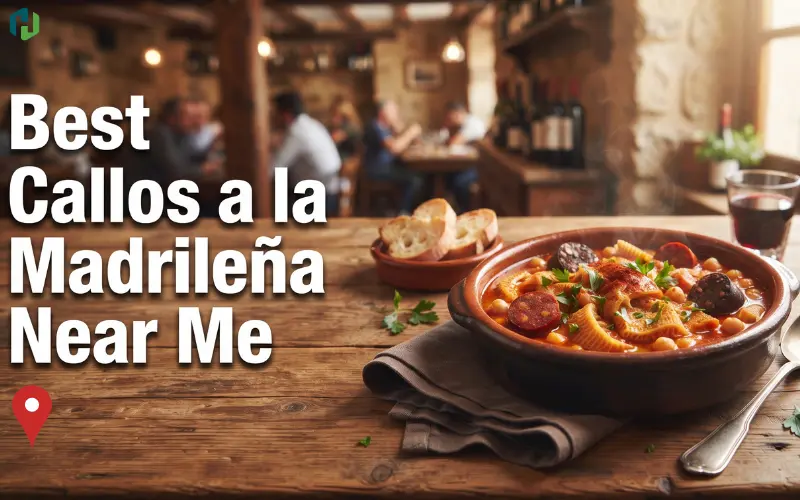
Callos a la Madrileña is a traditional Spanish stew that originated in Madrid, the country’s capital. It’s best known for its slow-cooked combination of beef tripe, rich tomato sauce, paprika, garlic, onions, and a selection of cured meats that give the dish its unmistakable depth of flavor.
The star ingredient is beef tripe, which comes from the stomach lining of cattle. When prepared correctly, tripe becomes soft, tender, and absorbs the flavors of the broth rather than overpowering them. That’s one of the reasons this stew has remained popular for centuries.
Most traditional recipes also include Spanish chorizo and morcilla (blood sausage), along with smoked paprika, bay leaves, and garlic. These ingredients slowly release their flavors during cooking, creating a thick, hearty sauce that’s rich without being overly spicy.
Unlike lighter soups, Callos a la Madrileña is designed to be filling. It’s often served with crusty bread because the sauce is too good to leave behind.
If you’ve never eaten tripe before, this dish is often recommended as one of the best introductions. The slow cooking softens the texture, while the flavorful sauce makes the tripe surprisingly approachable.
Related Post: Best Beef Stew Dumplings Near Me
Why This Dish Has Been a Madrid Favorite for Centuries
Few Spanish dishes have a history as closely connected to one city as Callos a la Madrileña.
Historical records suggest that versions of this stew were already being enjoyed in Madrid several hundred years ago. At the time, tripe was an affordable ingredient that allowed families to prepare filling meals without spending a fortune. Instead of wasting any part of the animal, cooks transformed inexpensive cuts into something rich and satisfying through patience and slow cooking.
Over time, the recipe evolved. Chorizo, morcilla, paprika, and tomatoes became regular additions, giving the stew its bold flavor and deep reddish color. What started as a practical family meal gradually became one of Madrid’s signature dishes.
Today, you’ll find Callos a la Madrileña served everywhere from traditional neighborhood taverns to elegant restaurants that specialize in classic Spanish cuisine. Even with modern cooking techniques, many chefs continue following recipes that haven’t changed much over the years because they know the original version still delivers the best flavor.
One thing I’ve noticed is that locals rarely rush through this meal. It’s the kind of dish people order when they want to sit down, relax, and enjoy food that’s been prepared with care. The long cooking time isn’t just part of the recipe—it’s part of what gives the stew its identity.
That’s probably why Callos a la Madrileña has survived changing food trends for so long. While many dishes come and go, this one continues earning new fans because it stays true to the simple idea that good food doesn’t need to be complicated—it just needs time.
Where Can You Find the Best Callos a la Madrileña Near You?
Finding authentic Callos a la Madrileña is usually easier when you know which restaurants specialize in traditional Spanish cooking rather than modern fusion dishes.
Your first choice should be an authentic Spanish restaurant with a menu focused on regional recipes. Restaurants that proudly serve classics from Madrid often prepare Callos a la Madrileña using traditional methods instead of shortcuts.
Traditional Spanish taverns and family-owned restaurants are also excellent places to look. Many continue using recipes that have been passed down for generations, giving the stew the rich, slow-cooked flavor that made it famous.
If you live in a larger city, restaurants specializing in Madrid-style cuisine may occasionally feature Callos a la Madrileña as a daily or weekend special. Even when it isn’t listed online, it’s worth asking because many chefs prepare it in limited quantities.
Food festivals celebrating Spanish culture can also be a great opportunity to try authentic versions. Some vendors serve homemade recipes that closely follow the traditional cooking style found in Madrid itself.
One thing I’ve learned is that the restaurants serving the best Callos usually aren’t trying to impress people with trendy presentation. Their focus is on the quality of the stew rather than how it looks on social media.
How to Spot an Authentic Recipe Before Ordering
Not every bowl labeled “Callos a la Madrileña” follows the traditional recipe.
One of the easiest clues is the appearance of the sauce. Authentic Callos has a deep reddish color created by tomatoes, smoked paprika, and slow cooking—not by artificial coloring or excessive tomato paste.
The tripe should look tender rather than rubbery. Properly prepared tripe takes several hours to cook, allowing it to become soft while absorbing the rich flavors of the broth.
Traditional recipes also include Spanish chorizo and often morcilla, giving the stew its characteristic smoky aroma. If these ingredients are missing entirely, the dish may be a simplified version rather than the real thing.
The consistency of the stew is another good indicator. It should be thick enough to coat the spoon without becoming overly heavy. A watery broth often suggests the cooking process was rushed.
Fresh bread served alongside the stew is another positive sign. In Spain, it’s common to enjoy crusty bread with Callos because the sauce is considered one of the best parts of the meal.
I’ve found that restaurants willing to explain how they prepare the dish usually take more pride in keeping the recipe authentic.
Google Maps Tricks That Actually Work
Searching only for “Callos a la Madrileña near me” may not always give you the best results because many restaurants don’t list every traditional dish online.
Instead, search for “Spanish restaurant near me,” “Madrid-style restaurant near me,” or “authentic Spanish food near me.” These searches often reveal restaurants that serve Callos even if it isn’t highlighted on their website.
After finding a few restaurants, open their Google Maps listing and browse the Photos section. Customers frequently upload pictures of dishes that never appear on the official menu.
The Reviews section is equally valuable. Search within the reviews using words like “Callos,” “tripe,” or “Madrid.” If several diners mention the dish, it’s usually one of the restaurant’s specialties.
Calling ahead is another simple trick that saves time. Many Spanish restaurants prepare Callos a la Madrileña only on certain days because the stew requires hours of slow cooking. A quick phone call can confirm whether it’s available before you make the trip.
Related Post: Best Mondongo Soup Near Me
Common Restaurant Mistakes
Even experienced restaurants sometimes miss the details that make Callos a la Madrileña truly memorable.
One common mistake is undercooked tripe. Properly cooked tripe should be tender and easy to chew. If it feels rubbery, the stew probably wasn’t cooked long enough.
Another issue is relying too heavily on tomato sauce. Authentic recipes balance tomatoes with paprika, garlic, onions, stock, and cured meats. If the stew tastes mostly like tomatoes, it’s missing the depth that slow cooking should create.
Poor-quality chorizo can also affect the final result. Traditional Spanish chorizo adds smoky richness without overpowering the rest of the ingredients.
Some restaurants make the sauce excessively thick using flour instead of allowing it to develop naturally during long simmering. The stew should feel rich but never gluey.
I’ve also noticed that restaurants rushing the cooking process often end up serving meat that hasn’t fully absorbed the flavors of the broth. The best Callos tastes like every ingredient has been cooking together for hours—which is exactly how the traditional recipe is made.
Is Callos a la Madrileña Halal?
Whether Callos a la Madrileña is halal depends almost entirely on the ingredients used in the recipe.
The beef tripe itself can be halal if it comes from a halal-slaughtered animal. However, traditional Callos a la Madrileña usually includes Spanish chorizo and morcilla (blood sausage), both of which are made from pork. Because of this, the classic version is not halal.
Some restaurants prepare modified recipes using only halal-certified beef and beef sausage instead of pork products. If you’re specifically looking for a halal version, it’s important to ask whether any pork ingredients have been included.
The broth is another detail worth checking. Some kitchens use pork stock or cook the stew with additional pork cuts to deepen the flavor.
Cross-contamination can also be a concern in restaurants that prepare pork dishes using the same cooking equipment.
Whenever I visit a Spanish restaurant, I simply ask whether the stew contains pork or whether they offer a halal alternative. Most staff can answer immediately, making it much easier to decide whether the dish meets your dietary requirements.
Best Cities to Find Authentic Callos a la Madrileña
If you’re serious about finding an authentic bowl of Callos a la Madrileña, some cities offer much better opportunities than others.
United States
New York City is one of the best places to begin. The city has a number of authentic Spanish restaurants where traditional regional dishes occasionally appear alongside more familiar favorites like paella and tapas.
Miami is another strong option. While the city is best known for its Latin American cuisine, it also has several long-established Spanish restaurants that continue serving classic recipes from different regions of Spain.
Chicago has a growing collection of Spanish restaurants and European eateries where slow-cooked comfort dishes are becoming increasingly popular.
Los Angeles is also worth exploring, particularly in neighborhoods known for international dining. Some Spanish restaurants prepare Callos a la Madrileña as a weekend special rather than an everyday menu item.
United Kingdom
In the UK, London remains the easiest place to find authentic Spanish cuisine. Traditional Spanish restaurants and tapas bars occasionally serve Callos a la Madrileña, especially during the colder months.
Cities such as Manchester, Birmingham, and Leeds also have independent Spanish restaurants where regional specialties sometimes appear on seasonal menus.
Even if you don’t live in one of these larger cities, it’s worth checking Spanish cultural festivals and food events. Many feature traditional dishes that aren’t commonly available throughout the rest of the year.
Callos a la Madrileña vs Other Tripe Stews
People often assume every tripe stew is basically the same, but that’s far from true.
Callos a la Madrileña is famous for its thick tomato-based sauce, smoked paprika, and the addition of Spanish chorizo and morcilla. The result is a rich, smoky stew that’s closely associated with Madrid.
Mondongo, which is popular across many Latin American countries, also uses tripe but creates a completely different eating experience. Instead of smoked sausage and paprika, Mondongo usually includes vegetables such as potatoes, carrots, cassava, corn, peppers, and fresh herbs in a lighter broth.
Italian Trippa alla Romana takes another direction by combining tripe with tomatoes, mint, Parmesan cheese, and olive oil, creating a brighter and less smoky flavor.
French recipes often prepare tripe using white wine, vegetables, and aromatic herbs, producing a stew that’s much lighter than the Spanish version.
I’ve tried several of these dishes over the years, and while they all share tripe as the main ingredient, they couldn’t taste more different. Callos a la Madrileña stands out because of its deep, smoky sauce and slow-cooked richness, making it one of the boldest tripe dishes you’ll find anywhere.
We hope you guys find this guide helpful. If you like this one, here we have more for you:
Best Ensalada de Arroz Near Me
FAQs
What is Callos a la Madrileña?
Callos a la Madrileña is a traditional stew from Madrid made with slow-cooked beef tripe, tomatoes, garlic, onions, smoked paprika, and cured Spanish meats such as chorizo and morcilla.
What does Callos a la Madrileña taste like?
The stew has a rich, smoky, and savory flavor. The tripe itself is mild and tender, while the sauce provides most of the dish’s depth through tomatoes, paprika, garlic, and slow cooking.
Is Callos a la Madrileña spicy?
Not usually. Smoked paprika adds warmth and flavor rather than intense heat. Some restaurants may serve hot sauce separately for diners who enjoy spicier food.
Why can’t I find Callos a la Madrileña on Google Maps?
Many Spanish restaurants don’t list every traditional dish online. Searching for “Spanish restaurant near me” often produces better results than searching only for the dish itself.
Is Callos a la Madrileña halal?
The traditional recipe is generally not halal because it usually includes pork chorizo and morcilla. Some restaurants prepare halal-friendly versions using halal-certified beef and beef sausage, so it’s always worth asking before ordering.
Is tripe healthy?
Tripe is naturally high in protein and contains vitamins and minerals such as vitamin B12, zinc, and iron. However, the nutritional value of the finished stew depends on the ingredients and cooking method used.
Can I order Callos a la Madrileña for takeaway?
Yes. Many Spanish restaurants offer takeaway, and the stew often tastes even better after the flavors have had more time to develop.
What is traditionally served with Callos a la Madrileña?
Fresh crusty bread is the classic accompaniment because it’s perfect for soaking up the rich tomato-based sauce. Some restaurants also serve the stew with potatoes or a simple salad.
Conclusion
Finding the best Callos a la Madrileña near me is about more than choosing the closest Spanish restaurant. It’s about finding a kitchen that still respects one of Madrid’s most famous traditional recipes.
Look for authentic Spanish restaurants that prepare regional dishes, browse customer photos, read reviews carefully, and don’t hesitate to call ahead to ask whether Callos is available that day. Since the stew takes hours to prepare, many restaurants only serve it on selected days.
If you’ve never tried Callos a la Madrileña before, don’t let the idea of tripe stop you. When prepared properly, it’s tender, flavorful, and surrounded by one of the richest sauces you’ll find in Spanish cuisine. After tasting a genuine version, it’s easy to understand why this centuries-old recipe continues to be one of Madrid’s greatest comfort foods.