
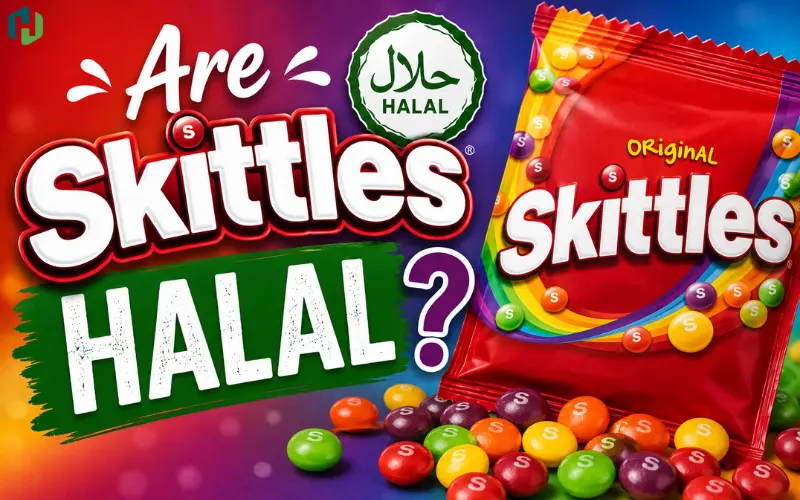
Are Skittles halal or Haram? Many Muslims in the USA and UK want to know whether Skittles contain gelatin, animal-derived ingredients, or other haram additives. Skittles are one of the most popular fruity candies in the world, known for their colorful appearance and chewy texture, but their halal status continues to create debate among halal-conscious consumers.
Most standard Skittles sold in the USA and UK do not contain gelatin, which makes them appear more halal-friendly than many gummy candies. However, some Muslims still question ingredients like confectioner’s glaze, artificial flavorings, food coloring, and sugar processing methods. Different Skittles products and limited-edition versions may also contain different ingredient formulas depending on the country. Because manufacturing processes and ingredients can vary, Muslims should always check labels carefully and look for halal certification whenever possible.
Quick Overview Table
| Category | Halal Status | Notes |
| Original Skittles | Generally Halal-Friendly | No gelatin in standard versions |
| Skittles Gummies | Depends | Ingredients may vary |
| Gelatin Content | Usually None | Standard Skittles do not contain gelatin |
| Confectioner’s Glaze | Questioned by Some Muslims | Source may vary |
| Artificial Colors & Flavorings | Minor Concern | Ingredient sourcing unclear |
| Halal Certification | Not Widely Certified | Verify labels carefully |
What Are Skittles?
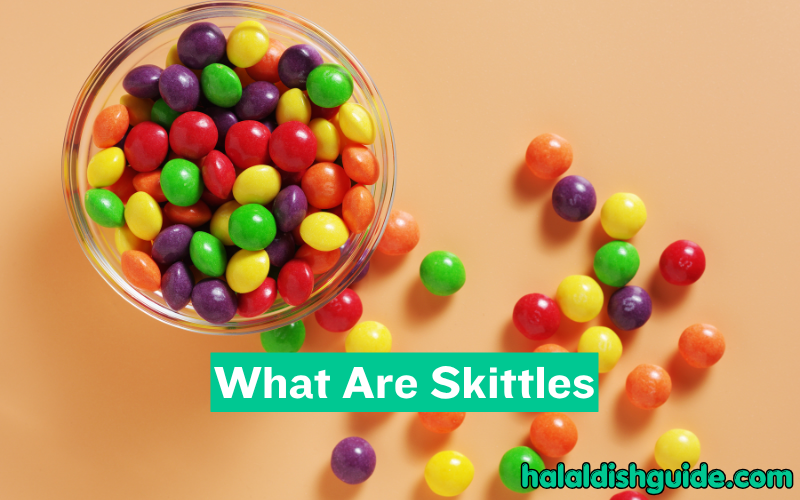
Skittles are small, fruit-flavored chewy candies produced by Mars, Incorporated. They are known for their colorful appearance and signature slogan, making them one of the most recognizable candies worldwide.
Each Skittle consists of a soft chewy center surrounded by a thin, crisp sugar shell. This combination gives them a unique texture that is different from gummies or chocolate-based sweets.
In both the USA and UK, Skittles are widely available in supermarkets, convenience stores, and vending machines. Their popularity makes them a common everyday snack.
Ingredients of Skittles (USA & UK Detailed Breakdown)
Understanding ingredients is the most important step in determining whether Skittles are halal. While the label may seem simple, each component needs to be examined carefully.
Typical Ingredients List:
- Sugar
- Corn syrup / Glucose syrup
- Hydrogenated palm kernel oil
- Citric acid
- Natural and artificial flavors
- Modified corn starch
- Food colorings (E-numbers in UK)
- Carnauba wax
Most of these ingredients are plant-based or synthetic, but some still require deeper analysis.
Sugar – A Key Discussion Point
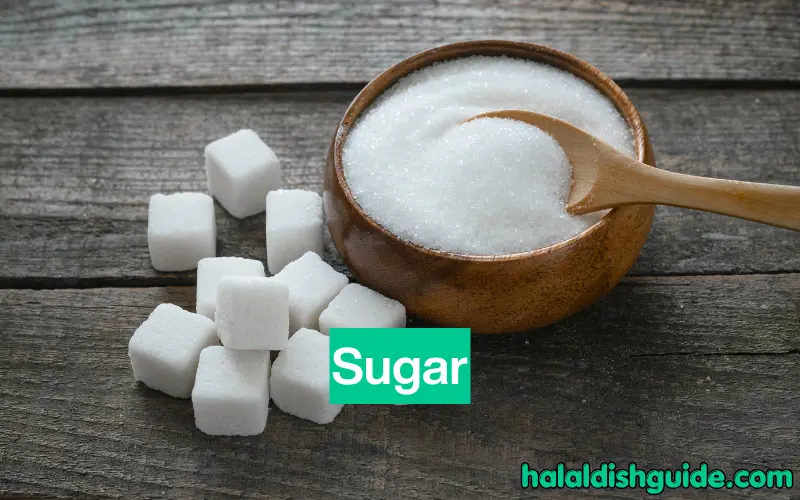
Sugar is one of the main ingredients in Skittles and a major topic in halal discussions. In the USA, sugar is sometimes refined using bone char, which comes from animal bones.
Even though the final sugar does not contain any animal material, the process itself raises concerns for stricter halal standards. This is why some consumers remain cautious.
In the UK, sugar refining methods may differ, and bone char use is less common. However, complete transparency is not always guaranteed, so the concern still exists to some extent.
Corn Syrup and Glucose Syrup

Corn syrup and glucose syrup are widely used sweeteners derived from plants like corn or wheat. These ingredients are considered halal because they do not involve animal sources.
They are used to give Skittles their chewy texture and to enhance sweetness. These syrups are common in many processed foods across the USA and UK.
There are no major halal concerns related to these ingredients, making them safe for consumption.
Hydrogenated Palm Kernel Oil

This ingredient is derived from palm oil and is used to improve texture and shelf life. It is plant-based and generally considered halal.
However, it is a processed fat, which means it is not the healthiest option. Still, from a halal perspective, it does not pose any issue.
Palm oil is commonly used in many packaged snacks, including biscuits and candies.
Citric Acid
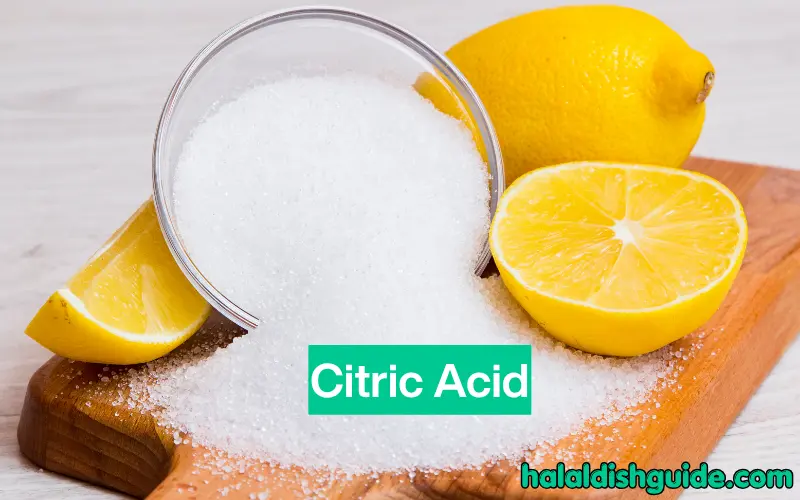
Citric acid is used to provide a tangy flavor and act as a preservative. It is produced through fermentation processes and is considered halal.
This ingredient is commonly found in candies, soft drinks, and packaged foods. It plays an important role in giving Skittles their signature fruity taste.
There are no religious concerns associated with citric acid.
Natural and Artificial Flavors
This is one of the most debated parts of Skittles’ ingredients. The term “flavors” can include a wide range of substances.
These flavors may be derived from plants, chemicals, or sometimes animal-based sources. Because companies do not fully disclose the origin, uncertainty remains.
For most consumers, this is not a major issue, but stricter individuals prefer full transparency before consuming such products.
Food Colors (E-Numbers in UK)
Skittles are known for their bright colors, which come from food dyes. In the UK, these are labeled as E-numbers.
Most modern Skittles use synthetic or plant-based colorings instead of animal-derived dyes like carmine. This makes them more acceptable for halal-conscious consumers.
However, formulas can vary by region, so checking labels is always recommended.
Carnauba Wax
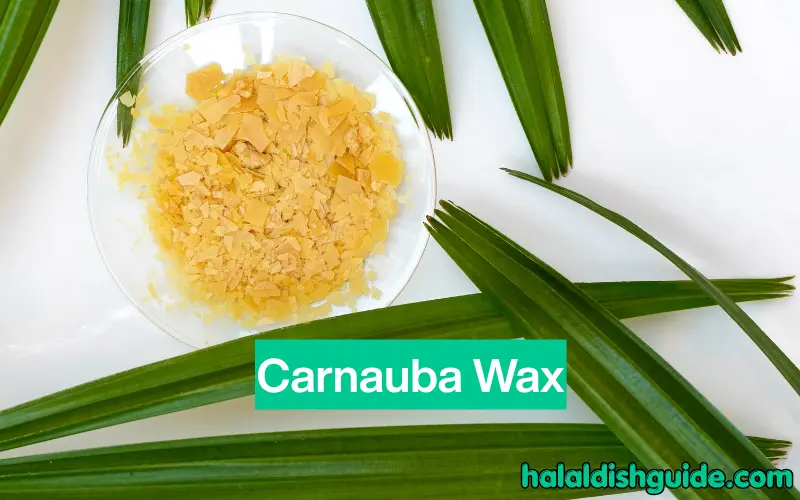
Carnauba wax is used to give Skittles their shiny outer coating. It is derived from palm leaves and is completely plant-based.
This ingredient is widely used in candies and even some fruits to enhance appearance. It is considered halal with no concerns.
Are Skittles Halal or Not? (Complete Verdict)
Skittles are generally considered halal-friendly in the USA and UK, mainly because they do not contain gelatin or obvious animal-derived ingredients.
They do NOT contain:
- Pork gelatin
- Animal fats
- Alcohol as a listed ingredient
However, they are:
- ❌ Not officially halal-certified
- ⚠️ Dependent on processing methods
- ⚠️ Subject to ingredient ambiguity
Why Skittles Are Considered Halal-Friendly
One of the main reasons is that Skittles no longer contain gelatin, which is a major concern in many candies. This change has made them more acceptable for Muslim consumers.
Another reason is that most ingredients are plant-based or synthetic. This reduces the risk of hidden animal-derived substances.
Additionally, Skittles are widely consumed by Muslims in Western countries, which adds to their general acceptance.
Why Some People Still Avoid Skittles
Despite being halal-friendly, some consumers prefer to avoid Skittles due to certain concerns. These concerns are mostly related to processing and lack of transparency.
The absence of halal certification is one of the biggest reasons. Many people prefer products that are officially verified.
Unclear flavor sources and possible cross-contamination also contribute to hesitation among strict consumers.
Are Skittles Halal in USA?
In the USA, Skittles are widely considered halal-friendly because they do not contain gelatin. This makes them safer than many other candies.
Sugar processing methods and lack of certification remain minor concerns. These factors mainly affect stricter consumers.
Most Muslims in the USA consider Skittles acceptable to eat.
Are Skittles Halal in UK?
In the UK, Skittles are also considered halal-friendly. They use similar ingredients and avoid gelatin.
Food labeling in the UK is often more detailed, which helps consumers make informed decisions.
Most Muslims in the UK consume Skittles without concern, although some still prefer certified products.
Manufacturing Process of Skittles
The production of Skittles involves several steps that are mostly plant-based.
First, the chewy center is created using sugar and syrups. This forms the base of the candy.
Next, multiple layers of sugar coating are added to create the hard shell. Colors and flavors are applied during this stage.
Finally, the candies are polished using carnauba wax to give them their shiny appearance before packaging.
Cross-Contamination Concerns
Skittles are produced in large factories that may also process other types of candy. This includes chocolate or dairy-based products.
While there is a small risk of cross-contact, it is generally considered minimal. However, strict halal consumers may still be cautious.
This is a common issue in many processed foods, not just Skittles.
Comparison With Other Candies
Compared to gummy candies, Skittles are a safer option because they do not contain gelatin. Many gummies use pork-based gelatin, which is clearly haram.
Compared to chocolate products, Skittles are simpler and less likely to contain complex additives.
Overall, Skittles are considered one of the safer mainstream candies for halal-conscious consumers.
Health Perspective
Skittles are high in sugar and artificial additives. They provide quick energy but lack nutritional value.
Regular consumption can contribute to health issues like weight gain and dental problems.
They should be enjoyed occasionally rather than as a daily snack.
Practical Tips for Consumers
Always check the ingredient label before purchasing Skittles, especially if buying from different countries. Recipes can sometimes change.
If you follow strict halal guidelines, look for certified alternatives or contact manufacturers for confirmation.
Staying informed is the best way to make confident dietary choices.
Common Misconceptions About Skittles
Some people believe that Skittles still contain gelatin, but this is no longer true for USA and UK versions.
Another misconception is that all colorful candies are haram, which is not correct. Ingredients matter more than appearance.
It is also incorrect to assume that all vegetarian products are automatically halal. Processing methods still matter.
We hope you guys find this guide helpful. If you like this one, here we have more for you:
- Are Oreos Halal or Haram?
- Are Jolly Ranchers Halal or Haram?
- Is Burger King Halal or Haram?
- Is Shrimp Halal or Haram?
- Is Wingstop Halal or Haram?
FAQs
Are Original Skittles halal?
Most Original Skittles are generally considered halal-friendly because they usually do not contain gelatin or pork-derived ingredients.
Do Skittles contain gelatin?
Standard Skittles typically do not contain gelatin, but some specialty or gummy products may have different ingredients.
Why do some Muslims avoid Skittles?
Some Muslims avoid Skittles because of concerns about confectioner’s glaze, artificial colors, flavorings, and the lack of halal certification.
Are Skittles halal in USA?
Yes, most consider them halal-friendly.
Are Skittles halal in UK?
Yes, but they are not certified.
Can Muslims eat Skittles?
Most scholars consider them permissible.
Are Skittles vegetarian?
Yes, they are vegetarian-friendly.
Why do some avoid Skittles?
Due to flavoring and processing concerns.
Do Skittles contain alcohol?
No, alcohol is not listed as an ingredient.
Conclusion
Are Skittles halal? Many Muslims consider standard Skittles halal-friendly because they generally do not contain gelatin or obvious pork-derived ingredients. The candy is often viewed as suitable for vegetarians, which makes it more acceptable to many halal-conscious consumers in the USA and UK. However, Skittles are not universally halal-certified, which is why some Muslims still consider them doubtful or prefer avoiding them.
The biggest concerns usually involve confectioner’s glaze, artificial flavorings, food coloring, and the sourcing of certain ingredients used during production. Limited-edition Skittles products and gummy varieties may also contain different formulas that require separate verification. Because ingredients can change over time and vary by region, checking the packaging carefully is always the safest approach for Muslims.