
Some foods become famous because they’re served everywhere. Others earn their reputation because they’re connected to memories, traditions, and family gatherings. Hallaca belongs to the second group. For many Venezuelans, it’s more than a meal—it’s a symbol of celebration that brings generations together around the kitchen.
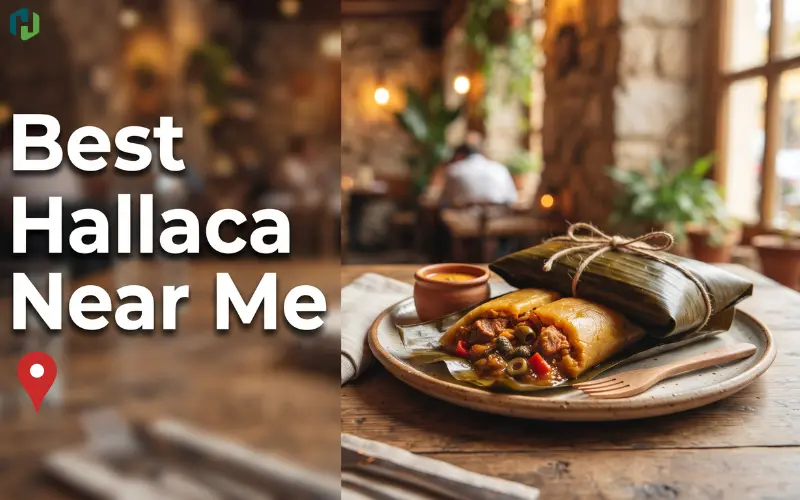
The first time I tasted a Hallaca, I didn’t fully understand why people spoke about it with so much affection. It arrived neatly wrapped in a banana leaf, tied with kitchen string, and looked almost too carefully prepared to open. But once the leaf was unfolded, the aroma of seasoned meat, corn dough, herbs, and spices immediately explained why this dish holds such an important place in Venezuelan culture.
If you’ve been searching for the best Hallaca near me, you’re probably hoping to experience the real thing instead of a rushed imitation. The challenge is that Hallacas aren’t available in every Latin American restaurant throughout the year. Many are prepared only during holiday seasons, while others are made in limited batches by restaurants that still follow traditional family recipes.
Knowing what makes an authentic Hallaca will help you find places that prepare this beloved Venezuelan specialty with the time, patience, and attention it deserves.
Quick Overview
What Is a Hallaca?
A Hallaca is a traditional Venezuelan dish made by filling seasoned corn dough with a rich mixture of slow-cooked meats, vegetables, olives, raisins, and spices before wrapping everything inside a banana leaf and steaming it until fully cooked.
Unlike many stuffed pastries or handheld snacks, a Hallaca is a complete meal. Every ingredient is carefully layered so that each bite combines tender dough with the savory filling hidden inside.
The dough itself is made from cornmeal that’s colored with annatto or similar natural seasonings, giving it a warm golden appearance. Inside, you’ll typically find a combination of shredded beef, pork, and chicken slowly cooked together with onions, peppers, garlic, tomatoes, and herbs.
The banana leaf does far more than simply hold everything together. During steaming, it adds a subtle earthy aroma that becomes part of the finished flavor. Once the Hallaca is cooked, the leaf is opened just before serving, releasing the fragrant steam that’s become one of the most recognizable parts of the experience.
Although Hallacas are closely associated with Christmas and New Year celebrations in Venezuela, many specialty restaurants now prepare them throughout the year for customers looking to enjoy a traditional homemade meal.
For someone trying one for the first time, a Hallaca often feels familiar and completely unique at the same time. It combines comforting ingredients in a way that’s unlike almost any other dish.
Related Post: Best Patacón con Todo Near Me
Why Hallacas Are More Than Just a Meal
One reason Hallacas remain so special is that they’re rarely made by one person alone.
Preparing traditional Hallacas often becomes a family event where everyone has a role. Some prepare the dough, others cook the filling, while someone else washes the banana leaves or ties each Hallaca before steaming. The cooking itself becomes an opportunity for families to spend time together long before the meal reaches the table.
That’s one reason many Venezuelans associate Hallacas with childhood memories as much as with flavor. The smell of steaming banana leaves, conversations in the kitchen, and recipes passed from grandparents to younger generations all become part of the experience.
Another reason Hallacas feel different from many everyday dishes is the amount of care involved. Each one is assembled individually rather than cooked all at once. Every layer is placed by hand, making each Hallaca slightly unique while still following the same traditional recipe.
I’ve also noticed that people rarely describe Hallacas only by their ingredients. Instead, they talk about who made them, whose family recipe they follow, or which holiday gathering they remember most. Few dishes create that kind of emotional connection.
Traditionally, Hallacas are served alongside pan de jamón — Venezuelan ham bread — chicken salad, and ponche crema during the Christmas season. That combination of dishes has become so associated with Venezuelan Christmas that many families feel the holiday isn’t complete without all of them on the table together. Finding a restaurant that serves Hallacas alongside these traditional accompaniments is usually a strong sign that the kitchen takes the full experience seriously rather than simply serving the Hallaca on its own.
Perhaps that’s why Hallacas continue to hold such an important place in Venezuelan cuisine. They’re not simply food prepared for convenience — they’re food prepared with time, patience, and tradition, making every serving feel a little more meaningful than an ordinary meal.
Where Can You Find the Best Hallaca Near You?
Finding an authentic Hallaca takes a little more planning than searching for tacos or empanadas. Because Hallacas require hours of preparation, many restaurants don’t make them every day.
Your best place to start is an authentic Venezuelan restaurant. Family-owned restaurants often continue preparing Hallacas using recipes that have been passed down through generations, especially during the holiday season when demand is highest.
Venezuelan bakeries and specialty food shops are another excellent option. Some prepare Hallacas in advance each week, allowing customers to take them home and simply reheat them before serving.
Latin American grocery stores sometimes surprise people as well. Stores that serve large Venezuelan communities occasionally sell fresh or frozen Hallacas prepared by local cooks who specialize in traditional recipes.
If you live in a city with a growing Venezuelan population, community festivals and cultural celebrations can also be wonderful places to discover homemade Hallacas that aren’t available in ordinary restaurants.
One thing I’ve learned is not to assume a restaurant doesn’t serve Hallacas simply because they aren’t listed online. Many kitchens prepare them only by special order or during certain months of the year. A quick phone call often gives you a better answer than browsing an outdated menu.
What’s Inside a Traditional Hallaca?
One of the reasons Hallacas are so memorable is the variety of ingredients hidden inside each banana leaf.
The foundation is a smooth cornmeal dough that’s lightly seasoned and colored with annatto, giving it its characteristic golden appearance. The dough used for Hallacas is specifically made from masarepa — pre-cooked cornmeal — rather than regular corn flour. This is what gives the dough its characteristic smooth texture and ability to hold together after steaming without becoming dense or falling apart when the banana leaf is opened.
Inside the dough sits a slow-cooked stew known as the guiso. Traditional recipes usually combine shredded beef, pork, and chicken that have been simmered together with onions, tomatoes, garlic, sweet peppers, herbs, and carefully selected spices until the flavors blend beautifully.
The filling doesn’t stop there.
Many Hallacas also include green olives, raisins, and capers, creating a balance between savory, salty, and slightly sweet flavors. Depending on the family recipe, you may also find sliced onions, roasted peppers, or other regional ingredients that give each Hallaca its own personality.
Once everything has been assembled, the dough is folded around the filling, wrapped securely inside a banana leaf, tied with kitchen string, and steamed for several hours.
That slow cooking process allows the banana leaf to gently perfume the Hallaca while keeping the filling moist and full of flavor.
Every family seems to have a slightly different recipe, which is one reason Hallacas often inspire friendly debates about whose version is the best.
Related Post: Best Empanada de Espinaca Near Me
How to Recognize an Authentic Handmade Hallaca
Not every Hallaca offers the same experience, and there are a few signs that usually separate handmade versions from mass-produced ones.
The banana leaf should look fresh and properly wrapped around the dough rather than torn or loosely folded. A carefully wrapped Hallaca usually reflects the same attention given to the filling inside.
After opening the leaf, the dough should remain soft without becoming sticky or dry. It should hold its shape while still feeling tender enough to cut easily with a fork.
The filling should be evenly distributed rather than concentrated in one corner. Every bite should contain both seasoned corn dough and generous amounts of meat and vegetables.
Fresh ingredients also make a noticeable difference. The stew should taste rich and well balanced rather than overly salty or dominated by a single spice.
I’ve found that handmade Hallacas often have small differences in size and shape because each one is assembled individually. Those slight imperfections usually indicate that real people—not machines—prepared them with care.
Google Maps Search Tips
Searching only for “Hallaca near me” doesn’t always bring up the best results because many restaurants don’t advertise seasonal dishes prominently.
Instead, search for “Venezuelan restaurant near me,” “Venezuelan bakery near me,” or “Latin American restaurant near me.” These searches often uncover places that prepare Hallacas even when they aren’t featured on the homepage.
Once you’ve found a few restaurants, check the Photos section on Google Maps. Customers frequently upload pictures of holiday meals and special menu items that never appear on the official website.
The Reviews section can also be incredibly helpful. Searching within reviews for words like “Hallaca,” “banana leaf,” or “Christmas” often reveals whether customers recommend the restaurant’s version.
Because Hallacas aren’t always available year-round, calling the restaurant before visiting is usually the smartest approach. Many restaurants prepare them only during holidays or by advance order.
Is Hallaca Halal?
Whether a Hallaca is halal depends largely on the ingredients used in its filling.
Traditional Hallacas often contain a mixture of beef, pork, and chicken, making many classic recipes unsuitable for Muslims because of the pork.
The good news is that some restaurants prepare special versions using only beef or chicken. If those meats are halal-certified, the Hallaca may become a suitable option for Muslim diners.
It’s also worth asking about the cooking process. Even if the filling itself doesn’t contain pork, some kitchens prepare all the meats together or use the same utensils during cooking.
The dough, banana leaves, vegetables, herbs, olives, raisins, and capers are generally halal-friendly. The primary concern is the meat and how it’s prepared.
If you follow a halal diet, asking whether the Hallaca contains pork and whether the beef or chicken is halal-certified is usually enough to help you decide.
When prepared with halal-certified meat and separate cooking methods, a Hallaca can still offer the same comforting flavors while meeting halal dietary requirements.
Best Cities to Find Authentic Hallacas
If you’re looking for the best Hallaca near me, choosing the right city can make a huge difference. Places with established Venezuelan communities are much more likely to have restaurants and bakeries that prepare Hallacas using traditional family recipes.
United States
Miami is widely considered one of the best destinations for authentic Venezuelan cuisine. Its large Venezuelan community has created a strong network of restaurants, bakeries, and specialty shops where Hallacas are especially popular during the holiday season.
Houston has also become a favorite city for Venezuelan food lovers. As the community continues to grow, more restaurants are adding traditional dishes like Hallacas to their seasonal menus.
Orlando offers another excellent opportunity to find handmade Hallacas. Many family-owned Venezuelan restaurants prepare them for Christmas and often accept advance orders.
New York City rounds out the list with several neighborhoods where Venezuelan restaurants continue serving authentic home-style cooking, including Hallacas during festive periods.
United Kingdom
In the UK, London remains the easiest place to search for authentic Hallacas. Venezuelan cafés and Latin American food businesses occasionally prepare them for Christmas and special community celebrations.
Manchester and Birmingham also have growing Latin American communities where specialty restaurants sometimes offer Hallacas through seasonal menus or holiday pre-orders.
Hallaca vs Tamale: What’s the Difference?
Because both dishes are wrapped before cooking, many people assume Hallacas and tamales are basically the same thing. While they share a few similarities, they’re actually very different traditional foods.
The first difference is the filling.
A Hallaca usually contains a rich mixture of beef, pork, chicken, olives, raisins, capers, and vegetables cooked together into a flavorful stew before being wrapped inside corn dough.
A tamale, depending on the country, often contains a simpler filling made with one primary meat, cheese, vegetables, or chilies. Recipes vary widely across Mexico and Central America, making tamales incredibly diverse.
The wrapping also differs.
Hallacas are almost always wrapped in banana leaves, which add a distinctive aroma during steaming. Tamales may also use banana leaves in some regions, but many traditional Mexican tamales are wrapped in dried corn husks.
The dough has its own personality too. Hallaca dough is smoother and lightly seasoned, while tamale dough is often thicker and made with masa that’s whipped to create a lighter texture.
I’ve always thought that Hallacas feel more like a carefully assembled holiday feast, while tamales are an everyday comfort food with countless regional variations. Both are delicious, but each tells a completely different culinary story.
We hope you guys find this guide helpful. If you like this one, here we have more for you:
Best Callos a la Madrileña Near Me
Best Beef Stew Dumplings Near Me
FAQs
What is a Hallaca?
A Hallaca is a traditional Venezuelan dish made with seasoned corn dough filled with slow-cooked meats, vegetables, olives, raisins, and spices before being wrapped in banana leaves and steamed.
Which country is Hallaca from?
Hallaca is one of the most iconic dishes of Venezuela and is especially associated with Christmas and New Year celebrations.
Why are Hallacas wrapped in banana leaves?
The banana leaves help protect the dough during steaming while adding a subtle earthy aroma that becomes part of the finished flavor.
Are Hallacas available all year?
Some Venezuelan restaurants prepare Hallacas throughout the year, but they’re most commonly available during the holiday season when demand is highest.
Why can’t I find Hallacas on Google Maps?
Many restaurants prepare Hallacas only seasonally or by advance order. Searching for “Venezuelan restaurant near me” often provides better results than searching only for the dish itself.
Is Hallaca halal?
Traditional Hallacas usually contain pork along with beef and chicken, so they’re not automatically halal. Always ask whether the restaurant offers a halal-friendly version made without pork and using halal-certified meat.
Can I freeze Hallacas?
Yes. Hallacas freeze very well and can be reheated by steaming or gently warming them after thawing, which is one reason many families prepare large batches during the holidays.
Can I order Hallacas for takeaway?
Absolutely. Many Venezuelan restaurants and bakeries offer takeaway Hallacas, especially during Christmas when customers often buy several at a time for family gatherings.
Conclusion
Finding the best Hallaca near me isn’t simply about discovering the nearest Venezuelan restaurant. It’s about finding cooks who still take the time to prepare this traditional dish with patience, fresh ingredients, and recipes that have been passed down through generations.
Start by looking for authentic Venezuelan restaurants, neighborhood bakeries, and specialty food shops. Browse customer photos, read reviews carefully, and don’t hesitate to call ahead, especially during the holiday season when Hallacas are in the highest demand.
For anyone trying one for the first time, opening a freshly steamed Hallaca is part of the experience. The aroma of the banana leaf, the tender corn dough, and the rich filling all come together to create a meal that’s comforting, flavorful, and deeply connected to Venezuelan tradition.
Once you’ve tasted a properly made Hallaca, it’s easy to understand why so many families continue making them year after year and why so many people begin searching for them again as soon as the holiday season returns.