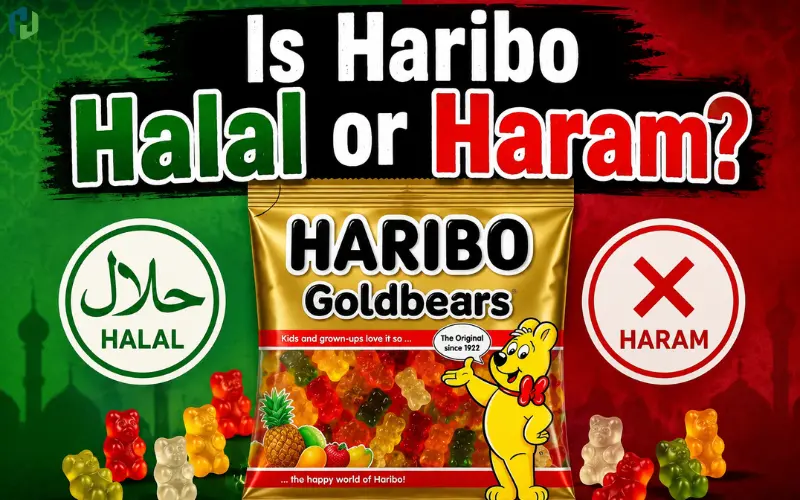

Are Haribo Gummy Bears halal or haram? Haribo candies are loved for their chewy texture, fruity taste, and colorful gummy bear shapes, but many Muslims are concerned about the ingredients used in these sweets. The main issue usually revolves around gelatin, flavorings, and food colorings.
The answer is that most regular Haribo Gummy Bears sold in the United States and the United Kingdom are generally considered haram because they often contain pork-derived gelatin. However, some halal-certified Haribo products are available in selected countries and specialty halal stores. Since ingredients can vary by region, Muslims should always check labels carefully before purchasing.
Quick Overview Table
| Category | Halal Status | Notes |
| Regular Haribo Gummy Bears | Usually haram | Often contains pork gelatin |
| Turkey Made Haribo | Usually halal | May use halal beef gelatin |
| Vegetarian Gummies | Depends | Check ingredient source |
| Vegan Gummies | Usually halal | No animal gelatin used |
| Artificial Flavorings | Depends | Verify ingredient details |
| Halal Certified Gummies | Halal | Safest option for Muslims |
What Ingredients Are Found in Haribo Gummy Bears?
Haribo Gummy Bears contain a mixture of ingredients that help create their soft and chewy texture. Common ingredients include glucose syrup, sugar, gelatin, fruit concentrates, citric acid, flavorings, and food coloring. While these ingredients may seem harmless at first glance, the source of gelatin becomes the most important factor for halal-conscious consumers.
In many Haribo products sold across the USA and UK, the gelatin comes from pork. Since pork is prohibited in Islam, this automatically makes those gummy bears haram for Muslims. Some Haribo candies may also contain beeswax or artificial flavorings that raise additional questions among consumers who strictly follow halal dietary guidelines.
Another important point is that Haribo recipes differ depending on the country of manufacture. Products made in Turkey may use halal-certified beef gelatin, while products made in Germany or other European countries may use pork gelatin. This variation creates confusion for Muslim shoppers who assume all Haribo products are made the same way.
Ingredient Concern
| Ingredient | Halal Concern |
| Gelatin | May come from pork |
| Artificial flavorings | Source may be unclear |
| Food coloring | Some Muslims prefer avoiding certain additives |
| Beeswax | Source may vary |
| Glucose syrup | Generally halal |
Why Gelatin Makes Haribo Gummy Bears Haram

Gelatin is one of the main ingredients responsible for the chewy texture of gummy candies. In Islamic dietary rules, gelatin becomes haram if it comes from pork or animals not slaughtered according to halal standards. This is why most standard Haribo gummy products sold in Western countries are considered unsuitable for Muslims.
Many people assume that fruit-flavored candy must automatically be halal because it contains no meat. However, gelatin is still an animal-based ingredient. Pork gelatin is commonly used because it is inexpensive and helps create the desired gummy texture. This ingredient is widely used in candy manufacturing across Europe and North America.
Muslims in the UK and USA often search online for halal candy options because mainstream products rarely highlight gelatin sources clearly on packaging. Parents especially want to ensure that candies bought for children are halal-friendly. As awareness increases, more halal candy brands are now producing alternatives made with halal beef gelatin or plant-based ingredients.
Haribo Product Comparison
| Product Type | Usually Halal? | Notes |
| Regular Haribo Goldbears | No | Often contains pork gelatin |
| Halal Haribo Turkey Edition | Yes | Uses halal beef gelatin |
| Vegetarian Gummies | Sometimes | Check certification |
| Vegan Gummies | Usually yes | No animal gelatin |
Are There Halal Haribo Gummy Bears Available?
Yes, halal Haribo gummy bears do exist. Haribo has produced halal-certified products for Muslim-majority markets such as Turkey and some Middle Eastern countries. These versions typically use halal beef gelatin instead of pork gelatin and often include halal certification logos on the packaging.
In the United Kingdom and United States, halal Haribo products can sometimes be found in halal grocery stores, imported candy shops, or online retailers. However, not every Haribo product sold in these markets is halal-certified. This is why consumers should always verify the ingredients carefully before buying.
The demand for halal sweets has grown significantly in cities with large Muslim populations like London, Birmingham, Manchester, New York, Chicago, and Houston. Because of this, more retailers are now offering halal-certified gummy candy options to meet growing consumer demand.
Artificial Flavorings and Halal Concerns
Artificial flavorings are another reason many Muslims question whether Haribo gummy bears are halal or haram. Some flavoring ingredients may use alcohol-based carriers or contain animal-derived substances. Even when gelatin is halal, uncertain flavoring sources can still create concern for strict halal consumers.
Food companies are not always required to provide detailed explanations about every ingredient source on packaging. In the USA and UK, ingredient labels may simply state “artificial flavors” without specifying how those flavorings are produced. This lack of transparency causes many Muslims to prefer products that are officially halal-certified.
Halal-certified candy brands usually provide clearer ingredient sourcing and manufacturing standards. This helps consumers feel more confident when choosing snacks for themselves or their families. As halal awareness grows in Western countries, transparency in food production is becoming increasingly important to Muslim buyers.
Food Coloring Concerns in Gummy Candies

Food coloring is another topic often discussed among halal-conscious consumers. Haribo gummy bears use bright colors to make the candies visually appealing. These colors may come from artificial or natural sources depending on the product and manufacturing location.
While many food colorings are technically halal, some Muslims prefer avoiding artificial additives altogether. Certain colorings may also be tested differently or processed using unclear methods, which creates uncertainty among consumers seeking strict halal compliance.
Parents in the USA and UK are increasingly researching food additives before purchasing candy for children. Because of this trend, many halal candy brands now promote natural colors and cleaner ingredient lists as part of their marketing strategy.
Why Haribo Is Popular in the USA and UK
Haribo gummy candies remain extremely popular in both the United States and United Kingdom because they are affordable, widely available, and enjoyable for all age groups. Supermarkets, convenience stores, cinemas, and online shops all stock Haribo products regularly.
The colorful packaging and fruity flavors attract children, while adults often enjoy the candies because of nostalgia and familiarity. Haribo has built a strong global brand over decades, making it one of the most recognized gummy candy companies in the world.
As Muslim populations continue growing in Western countries, halal-related searches for candy products have also increased. More Muslim consumers now check ingredient labels carefully and actively search for halal alternatives to popular mainstream snacks.
Best Halal Alternatives to Haribo Gummy Bears
Muslims who want halal-friendly gummy candies now have many alternatives available in the USA and UK. Several brands specialize in halal-certified sweets using beef gelatin or plant-based ingredients instead of pork gelatin.
Popular halal candy brands often focus on cleaner ingredients, halal certification, and transparent manufacturing processes. Some products are also vegan-friendly, making them suitable for a wider audience beyond Muslim consumers.
Online halal candy stores and specialty supermarkets have made these products easier to access than ever before. Many Muslim families now choose halal gummy brands for Eid gifts, birthday parties, school snacks, and daily treats.
Popular Halal Candy Alternatives
| Brand Type | Features |
| Halal-certified gummies | Made with halal beef gelatin |
| Vegan gummies | No animal ingredients |
| Organic candy brands | Often use natural colors |
| Imported Turkish gummies | Frequently halal-certified |
We hope you guys find this guide helpful. If you like this one, here we have more for you:
FAQs
Are Haribo Gummy Bears halal?
Most regular Haribo gummy bears sold in the USA and UK are not halal because they often contain pork gelatin.
Does Haribo use pork gelatin?
Yes, many Haribo gummy products use pork-derived gelatin in Western markets.
Are halal Haribo products available?
Yes, halal-certified Haribo products are available in certain countries and halal stores.
Can Muslims eat Haribo gummies from Turkey?
Many Haribo products made in Turkey use halal-certified beef gelatin and are considered halal.
Are Haribo gummy bears vegetarian?
No, most standard Haribo gummy bears are not vegetarian.
Why do Muslims avoid pork gelatin?
Pork and pork-derived ingredients are not allowed in halal dietary rules.
Are artificial flavors halal?
Some artificial flavors may be halal, but unclear ingredient sourcing creates concerns for some Muslims.
What is the safest option for Muslims?
The safest option is to buy clearly halal-certified gummy candies.
Conclusion
Are Haribo Gummy Bears halal or haram? In most cases, regular Haribo gummy bears sold in the USA and UK are considered haram because they contain pork-derived gelatin. Although some halal-certified versions exist, Muslims should always check ingredient labels and certification carefully before purchasing.
As halal awareness continues growing in Western countries, more halal-friendly candy options are becoming available. Whether shopping in London, Birmingham, New York, or Los Angeles, Muslim consumers can now find many delicious halal gummy alternatives that meet Islamic dietary requirements while still offering the same chewy and fruity candy experience.