
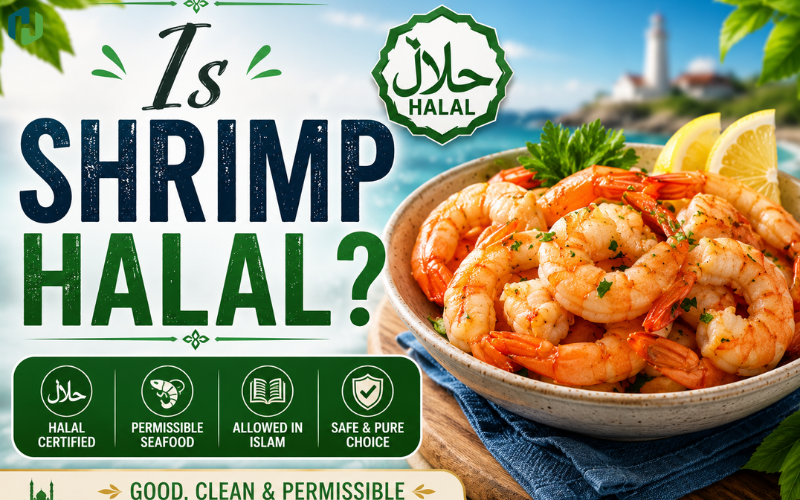
Is Shrimp Halal

Is Shrimp Halal or Haram?

Is shrimp halal or Haram? According to the majority of Islamic scholars, shrimp is generally considered halal and permissible for Muslims to eat. Many Muslims in the USA and UK regularly consume shrimp in seafood restaurants, sushi dishes, fried seafood platters, and Asian cuisine because shrimp is widely accepted as halal in the Shafi’i, Maliki, and Hanbali schools of thought. Most modern Hanafi scholars also consider shrimp permissible, although there is still some scholarly difference within the Hanafi madhab.

Many halal-conscious Muslims also ask whether restaurant shrimp remains halal when cooked with alcohol-based sauces, fried in shared oil, or prepared alongside non-halal seafood and meat. Cross-contamination, seafood seasoning, and restaurant preparation methods can sometimes create additional halal concerns. Because scholarly opinions and cooking practices may vary, Muslims should verify ingredients and follow the Islamic opinion they trust most when eating shrimp dishes in restaurants or processed foods.

Quick Overview Table

CategoryHalal StatusNotes
Majority Sunni OpinionHalalAccepted by Shafi’i, Maliki, Hanbali
Hanafi OpinionDependsScholarly difference exists
Modern Hanafi ScholarsUsually HalalMany permit shrimp today
Fried Restaurant ShrimpDependsShared fryer concern
Shrimp with Alcohol SaucesNot HalalWine-based ingredients concern
Frozen & Processed ShrimpDependsCheck additives and flavorings

What is Shrimp?

Is Shrimp Halal or Haram

Shrimp is a small aquatic animal found in oceans, seas, and freshwater environments. It belongs to a group of animals known as crustaceans, which also includes crabs, lobsters, and prawns.

Unlike fish, shrimp has a hard outer shell and a segmented body structure. It moves differently and lives in different conditions compared to most fish species. These biological differences are the main reason why some people question its classification.

Despite these differences, shrimp is commonly grouped under seafood in global food systems. It is widely consumed and is considered a staple ingredient in many cuisines. Its popularity makes it one of the most recognized seafood items in the world.

Why Shrimp is So Popular

Shrimp has become extremely popular due to its taste, texture, and versatility in cooking.

It can be prepared in many ways, including grilling, frying, boiling, steaming, and baking. It is used in dishes such as curries, pasta, rice meals, soups, and seafood platters.

In countries like the USA and UK, shrimp is a common menu item in restaurants. It is also widely available in supermarkets in fresh, frozen, and ready-to-cook forms.

Another reason for its popularity is its quick cooking time. Shrimp cooks faster than most meats, making it convenient for home cooking.

Is Shrimp Halal or Not?

Shrimp is generally considered halal by the majority of scholars and is widely accepted across the world.

This means that in most cases, shrimp can be consumed without concern, provided it is sourced and prepared properly.

However, there are some differences in interpretation. While many consider all seafood to be permissible, others make distinctions between different types of sea creatures.

Some interpretations focus specifically on fish and may question whether shrimp falls into that category.

Despite these differences, the global majority view supports the permissibility of shrimp, and it is commonly included in halal diets.

Why There is Confusion About Shrimp

Is Shrimp Halal or Haram

The confusion about shrimp mainly comes from its classification as a crustacean rather than a fish.

In some interpretations, only fish are clearly considered permissible, while other sea creatures are debated.

Another reason is cultural variation. In many countries, shrimp is consumed without hesitation, while in others, people are more cautious.

Additionally, the lack of clear labeling in restaurants and supermarkets can create uncertainty for consumers.

These factors combined make shrimp one of the most discussed seafood items when it comes to halal status.

Global Perspective on Shrimp

Shrimp is widely accepted and consumed across the world.

In Asia, it is used in a variety of traditional dishes and is considered a staple ingredient.

In the Middle East, shrimp is commonly included in seafood meals and is widely accepted.

In Western countries like the USA and UK, shrimp is popular in restaurants, seafood chains, and home cooking.

This global acceptance reflects its general permissibility and widespread use.

Key Factors That Determine Halal Status

Understanding shrimp’s halal status requires looking at several important factors.

1. Type of Sea Creature

Shrimp lives in water and is part of the seafood category.

This is one of the main reasons why it is considered halal by many people.

2. Source of Shrimp

Shrimp can be wild-caught or farm-raised.

Both types are generally acceptable, as long as they are clean and safe for consumption.

3. Processing and Handling

After being caught, shrimp is cleaned, frozen, and packaged.

Proper handling is important to ensure it remains halal.

4. Cooking Ingredients

Cooking methods play a key role.

If shrimp is prepared with alcohol-based sauces or mixed with non-halal ingredients, it can become questionable.

5. Cross-Contamination

Cross-contamination can occur in kitchens or factories.

If shrimp comes into contact with non-halal food, its status may be affected.

Shrimp in Global Cuisines

Shrimp is one of the most versatile ingredients in global cuisine.

In Asian cuisine, it is used in noodles, fried rice, and curries.

In Western cuisine, shrimp is commonly used in pasta, grilled dishes, and seafood platters.

In Middle Eastern cuisine, shrimp is often cooked with spices and served with rice.

Its ability to fit into different dishes makes it a favorite ingredient worldwide.

Health Benefits of Shrimp

Is Shrimp Halal or Haram

Shrimp is a highly nutritious food.

It is rich in protein, which supports muscle growth and overall health.

It contains essential nutrients such as iodine, selenium, and omega-3 fatty acids.

Shrimp is also low in calories, making it a good option for a balanced diet.

Common Misconceptions About Shrimp

Many people believe shrimp is not halal because it is not a fish.

Others think all seafood rules are the same everywhere, which is not true.

Some assume cooking can change its halal status, which depends on ingredients used.

These misconceptions help avoid confusion.

Expert Views

Most experts consider shrimp permissible as part of seafood.

They highlight its global acceptance and widespread consumption.

However, they also acknowledge that differences in interpretation exist.

This is why personal preference and understanding are important.

Practical Tips for Consumers

Always buy shrimp from trusted suppliers.

Check labels when purchasing packaged shrimp.

Ask restaurants about ingredients and cooking methods.

Avoid dishes with unclear sauces or preparation methods.

Choose simple cooking methods like grilling or steaming.

Shrimp in Restaurants (USA & UK)

Shrimp is widely available in restaurants across the USA and UK.

Many seafood and halal restaurants include shrimp dishes on their menus.

However, not all restaurants follow halal standards.

It is important to confirm sourcing and preparation before ordering.

Frozen and Processed Shrimp

Frozen shrimp is one of the most common forms available in supermarkets.

It is generally halal if processed properly and free from contamination.

Some processed shrimp products may include additives, so checking labels is important.

Environmental and Farming Considerations

Shrimp farming is a growing industry worldwide.

Farm-raised shrimp is produced in controlled environments.

While farming methods do not usually affect halal status, cleanliness and quality remain important.

Consumers should choose reliable sources to ensure safety and quality.

Should You Eat Shrimp?

Shrimp is widely accepted as halal and can be enjoyed without concern in most cases.

As long as it is sourced properly and cooked with halal ingredients, it is considered safe.

However, individuals who follow stricter interpretations may choose to avoid it.

We hope you guys find this guide helpful. If you like this one, here we have more for you:

FAQs

Is shrimp halal in Islam?

Yes, the majority of Islamic scholars consider shrimp halal and permissible for Muslims to eat.

Is shrimp halal in the Hanafi madhab?

Many modern Hanafi scholars consider shrimp halal, although some Hanafi scholars still classify it as makruh or doubtful.

Can shrimp become non-halal during cooking?

Yes, shrimp dishes may become questionable if prepared with alcohol-based sauces, non-halal ingredients, or shared fryers with haram foods.

Is fried shrimp halal?

It depends on the ingredients used in cooking.

Is shrimp halal in the USA and UK?

Yes, but you should check restaurant practices.

Does cooking affect shrimp’s halal status?

Yes, non-halal ingredients can affect it.

Is frozen shrimp halal?

Yes, if processed properly.

Should I avoid shrimp?

Not necessary unless you follow a stricter view.

Conclusion

Is shrimp halal? According to the majority of Islamic scholars, shrimp is considered halal and permissible to eat. The Shafi’i, Maliki, and Hanbali schools widely accept shrimp as halal seafood, and many modern Hanafi scholars also allow it. However, some Hanafi scholars still classify shrimp as makruh or doubtful because of differences in how seafood is categorized in Hanafi fiqh.

Muslims should also pay attention to how shrimp is prepared in restaurants and packaged foods. Alcohol-based marinades, non-halal seasonings, and shared fryers can create halal concerns even if shrimp itself is considered permissible. The safest approach is to verify ingredients carefully and follow the scholarly opinion that best matches your madhab and level of halal caution.