

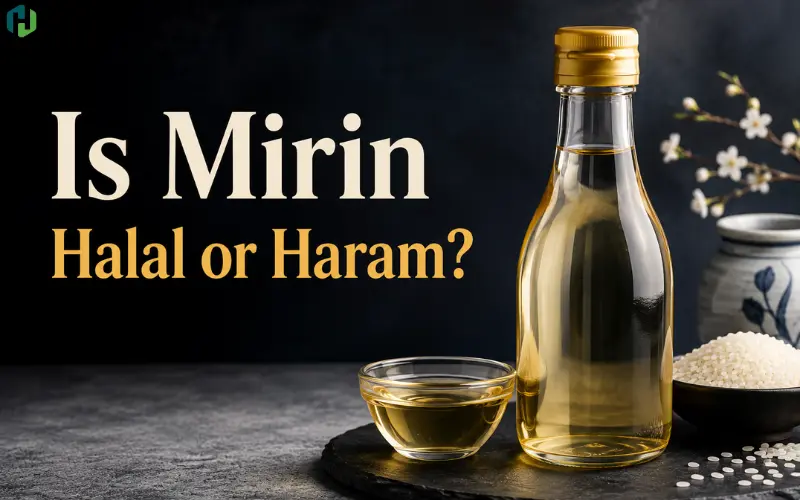
Japanese cuisine has become a favorite choice for millions of people in the United States and the United Kingdom. From sushi restaurants and ramen shops to teriyaki dishes and Asian-inspired sauces, Japanese flavors are now part of everyday dining. As more Muslims explore Japanese food, many encounter an ingredient called mirin and ask an important question: Is mirin halal?
The answer is not always simple. Traditional mirin contains alcohol, which immediately raises concerns for Muslims who follow halal dietary guidelines. At the same time, some products sold as mirin substitutes contain little or no alcohol, creating confusion about what is actually permissible.
Traditional mirin is generally considered not halal because it is an alcoholic rice wine. However, certain alcohol-free products marketed as mirin substitutes may be halal-friendly. The halal status depends on the ingredients, alcohol content, and how the product is manufactured.
Quick Overview Table
Related Post: Is Alani Nu Halal or Haram?
Is Mirin Halal?
For most Muslims, traditional mirin is not considered halal.
Mirin is a sweet Japanese rice wine used to enhance flavor, sweetness, and texture in many Japanese recipes. Because it contains alcohol produced through fermentation, many halal-conscious consumers choose to avoid it.
One reason the topic generates confusion is that not every product labeled “mirin” is identical. Some products sold in American and British supermarkets are actually mirin-style seasonings rather than authentic mirin. These products may contain lower alcohol levels or sometimes no alcohol at all.
As a result, determining whether mirin is halal requires looking beyond the product name and examining the ingredient list carefully.
What Is Mirin?
Mirin is a traditional Japanese seasoning made primarily from rice, rice koji, and alcohol.
Unlike ordinary table sugar or sweet syrups, mirin develops its flavor through fermentation. This process creates a unique combination of sweetness, depth, and umami that many chefs value in Japanese cooking.
Mirin is commonly used in:
- Teriyaki sauce
- Sukiyaki
- Glazes
- Marinades
- Noodle dishes
- Seafood recipes
- Stir-fries
Its sweetness helps balance salty ingredients such as soy sauce while creating the glossy finish often seen in Japanese dishes.
Because mirin plays such an important role in Japanese cuisine, understanding its halal status is essential for Muslim consumers.
Why Does Mirin Contain Alcohol?
The primary reason mirin is considered problematic for many Muslims is its alcohol content.
Traditional mirin is produced through fermentation, a process that naturally generates alcohol. Depending on the type of mirin, alcohol content can range from around 8% to 14%.
Unlike flavor extracts that may contain trace amounts of alcohol, authentic mirin is intentionally produced as an alcoholic cooking ingredient.
This distinction is important because the alcohol is not merely incidental—it is a fundamental part of traditional mirin production.
For many Muslim consumers, this alone is sufficient reason to avoid authentic mirin.
Types of Mirin Explained
Not all mirin products are the same.
Understanding the different varieties can help consumers make informed halal decisions.
Hon Mirin
Hon Mirin is considered authentic traditional mirin.
It contains significant alcohol content and follows traditional Japanese production methods.
Because of its alcoholic nature, Hon Mirin is generally regarded as non-halal.
Mirin-Style Seasoning
Many supermarkets in the United States and the United Kingdom sell mirin-style seasonings.
These products often contain:
- Sweeteners
- Corn syrup
- Flavor enhancers
- Salt
- Reduced alcohol levels
Their halal status depends entirely on the ingredient list.
Alcohol-Free Mirin Substitute
Some manufacturers create alcohol-free alternatives designed to mimic the flavor of traditional mirin.
These products are often marketed specifically to consumers who avoid alcohol.
Many of these substitutes can be halal-friendly, although labels should still be reviewed carefully.
Is Hon Mirin Halal?
Among all mirin varieties, Hon Mirin is the easiest to evaluate.
Because it is a genuine alcoholic rice wine, most Muslims do not consider it halal.
The alcohol is intentionally produced and remains present in the final product. Even though it is primarily used for cooking rather than drinking, the alcohol content remains a concern for halal-conscious consumers.
As a result, Muslims looking for Japanese seasonings often seek alternatives instead of traditional Hon Mirin.
Is Mirin Halal After Cooking?
One of the most common questions involves cooking.
Many people assume that alcohol completely disappears during heating and therefore becomes permissible.
In reality, the issue is more complicated.
While cooking may reduce alcohol content, the original ingredient remains an alcoholic product. For this reason, many Muslims choose to avoid dishes made with traditional mirin regardless of the cooking process.
This explains why halal consumers often ask restaurants whether mirin is used in sauces, marinades, or glazes.
The concern usually starts with the ingredient itself rather than the final alcohol percentage after cooking.
Is Mirin Used in Popular Japanese Foods?
Yes.
Mirin appears in many popular Japanese dishes served throughout the United States and the United Kingdom.
Examples include:
- Teriyaki chicken
- Teriyaki salmon
- Sukiyaki
- Yakitori glaze
- Japanese barbecue sauces
- Noodle broths
- Stir-fried dishes
Because mirin is so common, Muslims dining at Japanese restaurants often benefit from asking about ingredients before ordering.
Many restaurants now offer ingredient information upon request.
Mirin vs Rice Vinegar
Some consumers confuse mirin with rice vinegar.
Although both originate from rice, they serve different purposes.
Comparison Table
Rice vinegar is often easier for Muslim consumers to incorporate into recipes than traditional mirin.
Mirin Substitute Halal Options
Fortunately, several halal-friendly alternatives can provide similar sweetness and balance.
Many Muslim home cooks use substitutes instead of authentic mirin.
Popular alternatives include:
- Rice vinegar and sugar
- Apple juice
- White grape juice
- Halal cooking syrups
- Alcohol-free mirin substitutes
These alternatives allow cooks to recreate Japanese-inspired flavors without relying on alcoholic ingredients.
This is why the search term mirin substitute halal has become increasingly popular.
Best Halal Alternatives to Mirin
Alternative Products Table
These alternatives work well in many home recipes.
Is Mirin Halal in the United States?
The United States offers a wide range of Japanese ingredients through supermarkets, Asian grocery stores, and online retailers.
Many products labeled as mirin are actually mirin-style seasonings rather than authentic Hon Mirin.
This can create confusion because two bottles may look similar while containing very different ingredients.
Muslim consumers in the United States should pay close attention to:
- Alcohol content
- Ingredient labels
- Manufacturer descriptions
- Product certifications
Reading labels remains the most reliable way to determine whether a product is suitable.
Because product formulations change over time, checking ingredients regularly is a good habit.
Is Mirin Halal in the United Kingdom?
Mirin has become increasingly available across the United Kingdom as Japanese cuisine continues to grow in popularity.
Major supermarkets, specialty Asian stores, and online retailers now stock several types of mirin products.
As in the United States, British consumers may encounter both authentic mirin and alcohol-free alternatives.
The key difference lies in the ingredients rather than the product name.
Many Muslim consumers in the UK choose alcohol-free substitutes when preparing Japanese meals at home.
This approach allows them to enjoy Japanese flavors while remaining consistent with halal dietary preferences.
Ingredient Analysis Table
Restaurant Considerations
Eating at Japanese restaurants can present additional challenges.
Many sauces are prepared in advance and may contain mirin without being clearly listed on the menu.
Common items that frequently contain mirin include:
- Teriyaki sauce
- Glazes
- Marinades
- Broths
- Stir-fry sauces
Muslims concerned about halal compliance should ask staff whether mirin is included in the preparation process.
Many restaurants are willing to provide ingredient information when requested.
How We Evaluated Mirin
Our assessment considered several factors rather than focusing on a single issue.
Evaluation Table
This approach provides a balanced understanding of mirin’s halal status.
Common Misconceptions About Mirin
One misconception is that all mirin products are identical.
In reality, authentic Hon Mirin and alcohol-free substitutes can be very different products.
Another misunderstanding is that cooking automatically removes all halal concerns.
Many Muslims evaluate the original ingredient itself rather than focusing solely on the final cooked dish.
These distinctions explain why opinions on mirin often vary among consumers.
We hope you guys find this guide helpful. If you like this one, here we have more for you:
- Is Catfish Halal or Haram?
- Is Calamari Halal or Haram?
- Is Parmesan Halal or Haram?
- Are Twizzlers Halal or Haram?
- Is Greggs Halal or Haram?
FAQs
Is mirin halal?
Traditional mirin is generally not considered halal because it contains alcohol.
Is mirin halal after cooking?
Many Muslims still avoid traditional mirin because the original ingredient contains alcohol.
What is mirin made from?
Mirin is traditionally made from rice, rice koji, and alcohol through fermentation.
Is Hon Mirin halal?
No. Hon Mirin is an authentic alcoholic rice wine and is generally considered non-halal.
What is a halal mirin substitute?
Rice vinegar with sugar, grape juice, and alcohol-free mirin alternatives are common options.
Can Muslims eat teriyaki sauce?
It depends on the ingredients. Some teriyaki sauces contain mirin.
Is mirin used in sushi?
Certain sushi recipes and sauces may contain mirin.
What is the best mirin substitute halal option?
Rice vinegar combined with sugar is one of the most popular halal-friendly substitutes.
Conclusion
After reviewing traditional production methods, ingredient composition, alcohol content, and common culinary uses, the conclusion is fairly clear.
Traditional mirin is generally not halal because it is an alcoholic rice wine produced through fermentation. This applies particularly to authentic Hon Mirin products commonly used in Japanese cooking.
However, not every product marketed as mirin is the same. Some alcohol-free alternatives and specially formulated mirin substitutes may be halal-friendly and can provide a similar flavor profile without the concerns associated with traditional mirin.