
Is Tyson Chicken Halal

Is Tyson Chicken Halal?

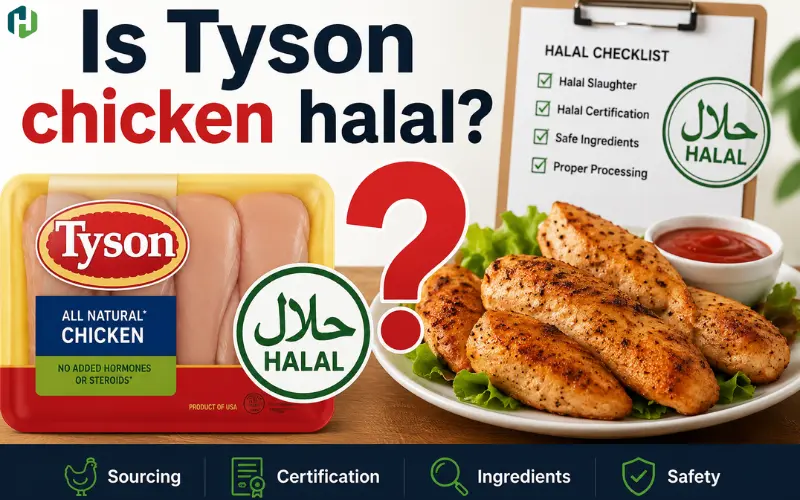
Is Tyson chicken halal? Tyson chicken is not fully halal because most Tyson products sold in regular supermarkets are not halal-certified. However, the company does produce certain halal-certified products for selected markets and customers. Because of this, the halal status of Tyson chicken depends on the exact product, location, certification, and processing method.
Tyson Foods is one of the world’s largest poultry producers, supplying chicken to supermarkets, restaurants, schools, and fast-food chains. Since halal-conscious consumers commonly eat chicken, many people want to know whether Tyson products meet halal dietary requirements. This guide explains everything clearly, including Tyson’s halal products, frozen meals, nuggets, restaurant supply chains, ingredients, processing concerns, and safer halal alternatives.

Quick Overview Table

CategoryHalal StatusBest Advice
Regular Tyson ChickenUsually not halalVerify
Halal Tyson ProductsHalal-certifiedSafer
Nuggets & PattiesDependsCheck ingredients
Restaurant ChickenVariesAsk supplier
Frozen MealsDependsVerify label

What Is Tyson Chicken?

Is Tyson Chicken Halal

Tyson Foods is one of the biggest poultry companies in the global food industry. The company produces a wide variety of chicken products, including raw chicken cuts, frozen nuggets, wings, patties, strips, grilled chicken, and ready-to-cook meals. Tyson products are sold in grocery stores, restaurants, cafeterias, and food chains around the world.

Because Tyson is such a large supplier, many consumers encounter the brand daily without always realizing it. Restaurants and fast-food chains often use Tyson chicken products in sandwiches, wraps, nuggets, and fried chicken meals. This widespread use naturally leads halal-conscious consumers to ask whether the chicken is halal-certified.

Many people assume chicken is halal simply because it is poultry, but halal status depends on more than the animal itself. The slaughter process, ingredient handling, seasoning blends, and manufacturing methods all affect whether a product is considered halal. This is why Tyson chicken continues to be discussed among Muslim consumers worldwide.

Related Post: Is Wagamama Halal?

Why People Ask if Tyson Chicken Is Halal

One of the main reasons people ask about Tyson chicken is the brand’s massive global presence. Tyson products appear in supermarkets, restaurants, schools, and frozen food aisles, making them difficult to avoid. Since Muslims consume chicken regularly, knowing whether Tyson products are halal becomes very important.

Another reason is that Tyson has produced halal-certified chicken products in some regions. Customers may see halal Tyson items online or in specialty stores, leading them to believe all Tyson chicken is halal. However, the reality is more complicated because the company serves many different markets with different standards.

Processed foods also create confusion. Products like nuggets, chicken fries, patties, and wings contain additional ingredients beyond chicken itself. Flavorings, breading, preservatives, and seasoning blends may introduce ingredients that require halal verification.

Because of these differences between product lines and markets, consumers often need detailed information before deciding whether Tyson chicken is suitable for them.

Tyson Chicken Product

ProductHalal StatusRecommendation
Fresh ChickenDependsVerify
Frozen NuggetsUsually not halalCheck label
Chicken PattiesDependsVerify
WingsUsually not halalAsk first
Halal Tyson LineHalal-certifiedBetter option

Does Tyson Produce Halal Chicken?

Yes, Tyson Foods does produce halal-certified chicken products in certain situations. These products are typically prepared specifically for halal markets or institutional buyers who require halal certification. Halal Tyson products usually include clear labeling and certification information.

However, halal-certified Tyson products are not the standard versions sold in most supermarkets. The majority of Tyson products available in regular grocery stores in the US and many other countries are not marketed as halal-certified.

This distinction is extremely important because many people mistakenly believe the entire Tyson brand is halal after seeing one certified product online. In reality, halal certification only applies to specific product lines and markets.

The safest approach is always checking the package directly for halal certification instead of relying on assumptions or general brand reputation.

Regular Tyson Chicken Products

Is Tyson Chicken Halal

Most standard Tyson chicken products sold in mainstream supermarkets are not considered halal-certified. These products are usually produced for the general market rather than specifically for halal consumers.

Chicken cuts, frozen strips, nuggets, wings, and ready-made meals may all use standard commercial poultry processing methods. Since halal slaughter requires specific religious guidelines, uncertified products create uncertainty for many Muslim consumers.

Another factor is seasoning and additives. Frozen Tyson products often include marinades, breading, preservatives, and flavoring agents. Even if the chicken itself were acceptable, these additional ingredients still need verification.

Because regular Tyson products are mass-produced for broad markets, many halal-conscious consumers prefer avoiding them unless they are specifically labeled halal.

Product Comparison

Product TypeHalal ConfidenceNotes
Raw ChickenModerateVerify source
NuggetsLowProcessed
Chicken FriesLowAdditives
Certified Halal TysonHighSafer
Restaurant SupplyDependsAsk restaurant

Tyson Nuggets and Processed Chicken

Tyson nuggets are among the company’s most popular products. They are sold in supermarkets, cafeterias, schools, and fast-food locations across many regions. While convenient, nuggets are also one of the most complicated Tyson products when it comes to halal concerns.

Nuggets contain more than just chicken. They also include breading, oils, flavorings, preservatives, starches, and seasoning blends. These extra ingredients can introduce uncertainty because their sources are not always clearly explained.

Another concern is processing. Nuggets are usually manufactured in large industrial facilities where different products are prepared on shared equipment. This raises cross-contamination concerns for strict halal-conscious consumers.

Because processed chicken products involve many additional ingredients and manufacturing stages, they are generally viewed with more caution than simple fresh chicken cuts.

Tyson Chicken in Restaurants

Many restaurants and fast-food businesses use Tyson chicken products without advertising the supplier directly. Chicken sandwiches, wraps, nuggets, salads, and fried meals may all contain Tyson chicken.

This means consumers can unknowingly eat Tyson products even when dining out. Restaurant employees may also not know whether the chicken is halal-certified because they focus on general supply chains rather than religious dietary standards.

Fast-food chains often prioritize consistency, cost, and supply availability rather than halal certification unless they specifically market halal products.

For halal-conscious consumers, this creates another challenge because restaurant chicken cannot automatically be assumed halal simply because it is chicken.

Restaurant Chicken

Food ItemHalal Concern
NuggetsHigh
Fried ChickenModerate
Chicken SandwichModerate
WrapsModerate
Chicken SaladsDepends

Tyson Halal Certification

Halal certification is the most reliable way to identify whether Tyson chicken products meet halal standards. Certified products are processed according to halal slaughter guidelines and are monitored through approved certification systems.

These products typically display a halal logo or certification statement on the packaging. Without this labeling, consumers often have no reliable way to confirm whether the product follows halal standards.

Certification also matters because Tyson operates in many countries and markets. A halal-certified Tyson product in one region does not automatically mean the same product is halal-certified elsewhere.

For many Muslim consumers, certification removes uncertainty and makes purchasing decisions much easier.

Ingredients and Additives

Processed Tyson products can contain a variety of ingredients beyond chicken itself. Common additions include:

  • seasoning blends
  • preservatives
  • flavor enhancers
  • oils
  • breading
  • starches

These ingredients are often used to improve flavor, texture, and shelf life. However, some flavoring agents may involve alcohol-based extraction methods or uncertain ingredient sources.

This is one reason why ingredient labels are especially important for frozen and processed chicken meals.

Ingredients

IngredientConcern
FlavoringVerify source
PreservativesUsually safe
OilsUsually safe
BreadingCheck ingredients
SeasoningDepends

Cross-Contamination Concerns

Large-scale food production facilities often handle many different products at the same time. Tyson manufactures chicken products for both halal and non-halal markets, which creates possible cross-contamination concerns.

Shared equipment, preparation lines, and storage systems may be used for different products. Some consumers are comfortable as long as the chicken itself is halal, while others prefer fully separated production systems.

Cross-contamination concerns are especially important for strict halal-conscious consumers who prefer greater control over processing conditions.

Understanding your own comfort level is important when deciding whether to consume mass-produced processed foods.

Tyson Products in Different Countries

Tyson products vary depending on the country and market. In some Muslim-majority regions, halal-certified Tyson products are easier to find because demand is higher.

In Western supermarkets, however, regular Tyson products are usually not marketed as halal-certified. This difference can confuse consumers who see halal Tyson products online and assume they are available everywhere.

Regional differences in certification, labeling, and supply chains make it important to check local packaging carefully instead of relying on international information.

Imported Tyson Products

Imported Tyson products may also differ from local products. Some imported items are specifically produced for halal markets and may include certification labels.

However, imported frozen foods can still vary widely depending on the distributor and destination market. Consumers should never assume imported products are automatically halal.

The safest approach is checking certification directly on the packaging.

Best Halal-Friendly Alternatives

If you are unsure about Tyson chicken, there are many halal-certified alternatives available. These include halal butchers, certified frozen chicken brands, and local halal grocery suppliers.

Fresh chicken from trusted halal sources is often easier to verify than heavily processed frozen foods.

Homemade chicken meals are another good option because they provide complete control over ingredients and preparation methods.

Alternatives

AlternativeBenefit
Halal ButcherTrusted sourcing
Certified Frozen ChickenSafer
Local Halal BrandsReliable
Fresh ChickenEasier to verify
Homemade MealsFull control

Why Halal Certification Matters

Halal certification simplifies food choices and removes uncertainty. Certified products are checked for slaughter methods, ingredient sourcing, and production practices.

For global brands like Tyson, certification is especially important because products differ between markets and facilities.

Many halal-conscious consumers rely heavily on certification because it provides confidence and consistency.

Common Mistakes People Make

One common mistake is assuming all chicken is halal.

Another mistake is believing every Tyson product follows the same standards worldwide.

Some consumers also ignore processed ingredients and only focus on the meat itself.

The safest approach is always reading labels carefully and checking certification.

What to Check Before Buying

Before buying Tyson chicken products, check for:

  • halal certification
  • ingredient list
  • additives
  • seasoning blends
  • market-specific labeling

These details help reduce confusion and uncertainty.

We hope you guys find this guide helpful. If you like this one, here we have more for you:

FAQs

Is Tyson chicken halal?

Some Tyson products are halal-certified, but most regular supermarket products are not.

Does Tyson make halal-certified chicken?

Yes, Tyson produces halal-certified products for certain regions and customers.

Are Tyson nuggets halal?

Most Tyson nuggets are not halal-certified unless clearly labeled halal.

Is frozen Tyson chicken halal?

Frozen Tyson chicken is usually not halal-certified unless the packaging specifically states otherwise.

Do restaurants use Tyson chicken?

Yes, many restaurants and fast-food chains use Tyson chicken products.

How can I check if Tyson chicken is halal?

Look for halal certification on the package and verify product details carefully.

Are halal Tyson products available everywhere?

No, halal Tyson products are usually limited to specific markets and regions.

What is the safest alternative to Tyson chicken?

Halal-certified chicken brands and trusted halal butchers are usually safer options.

Conclusion

Is Tyson chicken halal? The answer depends on the exact product and certification. While Tyson does produce halal-certified chicken for some markets, most regular Tyson products sold in mainstream supermarkets are not considered halal-certified.

For halal-conscious consumers, the safest approach is checking labels carefully, looking for halal certification, and choosing trusted halal alternatives whenever uncertainty exists.

What Makes Meat Halal

What Makes Meat Halal?

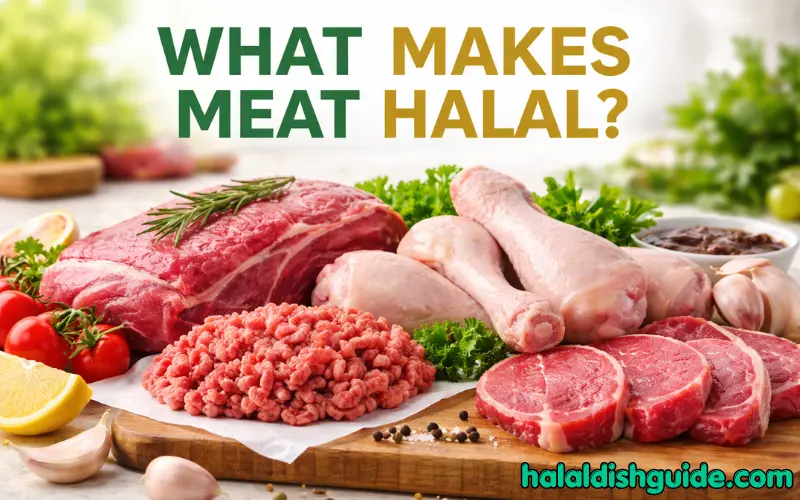
What makes meat halal? In Islam, meat is considered halal when it comes from a permissible animal and is slaughtered according to Islamic dietary guidelines. Halal meat is one of the most important parts of a Muslim diet, especially for Muslims living in the USA and UK, where many restaurants and supermarkets may not always follow halal standards. The word “halal” means permissible, and halal meat must meet specific religious and ethical requirements before Muslims can consume it. 
For meat to be halal, the animal must be healthy, treated properly, and slaughtered through the Islamic zabiha method while the name of Allah is recited. Blood must also be fully drained from the animal because consuming blood is prohibited in Islam. Muslims are also concerned about halal certification, cross-contamination, animal welfare, and meat processing methods used by modern food companies. Since halal standards can vary between countries, restaurants, and suppliers, many Muslims carefully verify halal meat sources before eating.

Quick Overview Table

CategoryHalal RequirementNotes
Animal TypeMust Be PermissibleBeef, chicken, lamb allowed
PorkHaramCompletely prohibited
Slaughter MethodZabiha RequiredIslamic slaughter process
Allah’s NameRequiredRecited during slaughter
Blood DrainageMandatoryBlood consumption prohibited
Halal CertificationRecommendedHelps verify halal compliance

The Concept of Halal Beyond Food

What Makes Meat Halal

Halal is often translated as “permissible,” but its meaning goes much deeper. It represents a lifestyle guided by Islamic principles.

When applied to food, halal ensures that what a person consumes is pure, lawful, and ethically sourced. It reflects discipline, awareness, and accountability.

In the USA and UK, where food chains are industrialized, this concept becomes more relevant. Muslims are required to think about where their food comes from and how it reaches their plate.

Halal Meat: More Than Just Slaughter

Many people reduce halal to a single act—the moment of slaughter. In reality, halal meat involves a complete system that begins long before the animal is slaughtered.

From the way the animal is raised to how it is transported, handled, and processed, every step matters.

This holistic approach ensures that halal meat is not only religiously compliant but also ethically responsible.

Permissible Animals

The first condition of halal meat is that the animal itself must be permissible.

Animals such as cows, sheep, goats, and chickens are allowed. These are commonly consumed in both the USA and UK.

On the other hand, animals like pigs are strictly prohibited. This rule is clear and universally accepted among Muslims.

In Western countries, where pork products are widely used, this becomes a major concern. Even small traces of pork contamination can make food non-halal.

The Importance of Animal Welfare in Halal

What Makes Meat Halal

Islam places strong emphasis on the treatment of animals.

Animals must be raised in a healthy environment, given proper food, and not subjected to unnecessary stress.

In modern farming systems in the USA and UK, this aspect is often debated. Large-scale industrial farms may not always meet the ethical expectations associated with halal principles.

This is why many Muslims prefer to buy from trusted halal farms or suppliers that follow humane practices.

The Halal Slaughter Process

The method of slaughter is one of the most important elements of halal meat.

The process requires a sharp knife to make a swift cut to the throat, windpipe, and major blood vessels. The intention is to minimize pain and ensure a quick death.

The name of Allah must be mentioned at the time of slaughter. This reflects the spiritual aspect of consuming food with gratitude and awareness.

In the USA and UK, there is ongoing discussion about how this method aligns with animal welfare laws, especially regarding stunning practices.

Stunning and Halal Debate

One of the most debated topics is whether stunning animals before slaughter is permissible.

In the UK, stunning is commonly practiced and often required by law. Some halal certifiers accept reversible stunning, while others do not.

In the USA, practices vary depending on the slaughterhouse. Some halal facilities avoid stunning, while others use methods that are considered acceptable by certain scholars.

Because of these differences, Muslims often follow the opinion they trust and choose suppliers accordingly.

Why Blood Drainage Matters

What Makes Meat Halal

Blood is considered impure in Islam and must be removed from the meat.

The halal slaughter process ensures that blood is drained completely, which contributes to both cleanliness and quality.

Many people believe that this process also improves the taste and shelf life of the meat.

Halal Certification in the USA

The halal market in the United States is growing, but it is not fully standardized.

There are multiple certification bodies, each with its own criteria. This can sometimes create confusion among consumers.

Some products are labeled halal without proper certification, which makes it important to verify authenticity.

Halal Certification in the UK

The UK has a more structured halal certification system.

Organizations monitor and certify halal meat, making it easier for consumers to identify compliant products.

However, differences in certification standards still exist, especially regarding stunning.

From Farm to Plate: The Halal Supply Chain

Halal meat is not just about slaughter—it involves the entire supply chain.

This includes farming, transportation, processing, packaging, and distribution.

If any stage involves contamination with non-halal substances, the meat may no longer be considered halal.

In the USA and UK, where supply chains are complex, maintaining this integrity can be challenging.

Cross-Contamination Risks in Western Countries

Cross-contamination is one of the biggest concerns for Muslims living in non-Muslim countries.

In many restaurants and food facilities, halal and non-halal foods are prepared in the same environment.

Shared equipment, utensils, and storage areas can lead to contamination.

Because of this, many Muslims choose to eat only at fully halal-certified establishments.

Halal Meat in Restaurants

What Makes Meat Halal

The availability of halal meat in restaurants has increased significantly in recent years.

Major cities now have a wide range of halal dining options, from fast food to fine dining.

However, not all restaurants follow strict halal practices. Some may serve halal meat but prepare it alongside non-halal items.

This makes it important to ask questions and verify before eating.

Ethical and Spiritual Dimensions of Halal Meat

Halal meat is deeply connected to faith. It is not just about physical nourishment but also spiritual well-being.

Eating halal is considered an act of عبادت (worship). It reflects obedience to Islamic teachings.

It also encourages mindfulness—being aware of what one consumes and how it affects both body and soul.

Health and Quality Aspects of Halal Meat

Many people associate halal meat with higher quality.

Proper blood drainage and careful handling can result in cleaner meat.

Ethical animal treatment may also contribute to better overall health of the animal, which affects the quality of the meat.

Why Halal Meat Is Gaining Popularity

Halal food is no longer limited to Muslim communities.

In the USA and UK, many non-Muslims are choosing halal meat because of its ethical and hygienic aspects.

Restaurants and food brands are responding to this demand by offering more halal options.

Common Misunderstandings About Halal Meat

Halal is only about religion

It also includes ethics, hygiene, and quality.

Halal meat is the same everywhere

Practices can vary between countries and suppliers.

Certification guarantees perfection

Certification helps, but consumers should still stay aware.

Challenges Muslims Face in the USA & UK

  • Limited availability in smaller towns
  • Confusion due to multiple certifications
  • Cross-contamination risks
  • Lack of clear labeling

These challenges require awareness and careful decision-making.

How to Choose Halal Meat in the West

  • Buy from trusted halal butchers
  • Look for certification labels
  • Ask about sourcing and slaughter methods
  • Avoid doubtful products

Practical Lifestyle Tips for Muslims

Living in the USA and UK requires practical solutions.

Planning meals, choosing reliable sources, and staying informed can make halal living easier.

Community support and local halal directories can also help.

We hope you guys find this guide helpful. If you like this one, here we have more for you:

FAQs

What makes meat halal?

It must follow Islamic rules of sourcing and slaughter.

Is halal meat available in the USA?

Yes, but availability varies by location.

Is halal meat easy to find in the UK?

Yes, especially in major cities.

Why is halal slaughter important?

It ensures ethical and clean meat.

What makes meat halal in Islam?

Meat becomes halal when it comes from a permissible animal and is slaughtered according to Islamic zabiha guidelines.

Why must blood be drained from halal meat?

Blood is prohibited in Islam, so halal slaughter requires proper blood drainage after the animal is slaughtered.

Is halal meat only about slaughter?

No, halal meat also includes ethical animal treatment, proper processing, avoiding contamination, and following Islamic dietary rules throughout production.

Do all halal products have certification?

No, certification is not always present.

Conclusion

What makes meat halal? Halal meat must come from a permissible animal and follow Islamic slaughter guidelines known as zabiha. The animal should be healthy, treated humanely, slaughtered while Allah’s name is recited, and properly drained of blood. These rules are designed to ensure both spiritual and ethical standards for Muslim consumers.

Today, many Muslims in the USA and UK also focus on halal certification, meat sourcing, processing methods, and cross-contamination concerns when choosing halal meat products. Because modern food production can vary greatly between suppliers and restaurants, verifying halal certification and buying from trusted halal sources remains the safest option for halal-conscious consumers.

Top 10 Halal Restaurants in America

Top 10 Halal Restaurants in America

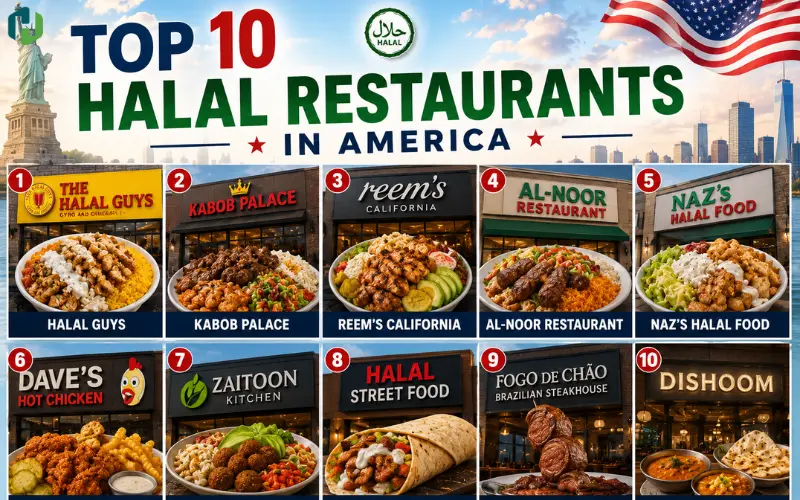
Looking for America’s top 10 halal restaurants? The United States has one of the fastest-growing halal food scenes in the world, with halal restaurants serving everything from burgers and BBQ to fine dining and international cuisine. Muslim travelers and halal food lovers in the USA and UK often search for the best halal restaurants in America that offer authentic flavors, halal-certified meat, and family-friendly dining experiences.

Major cities like New York City, Chicago, Houston, Los Angeles, and Dallas are known for their large Muslim communities and diverse halal food options. From halal steakhouses and Middle Eastern grills to halal fried chicken and luxury dining, America now offers halal restaurants for almost every taste and budget. However, many Muslim customers still prefer checking halal certification, meat sourcing, and restaurant reputation before dining because halal standards can vary between locations.

Quick Overview Table

CategoryDetailsNotes
Halal Food AvailabilityRapidly GrowingMajor cities have many options
Popular CitiesNYC, Chicago, Houston, DallasLarge Muslim communities
Popular Halal FoodsBurgers, BBQ, Steaks, Middle EasternWide variety available
Fine Dining Halal RestaurantsAvailable in Major CitiesLuxury halal dining growing
Halal CertificationCommon at Trusted RestaurantsVerify locally
Best for Muslim TravelersExcellent Food DiversityEasy halal access in urban areas

The Evolution of Halal Food in America

Halal food in the United States has gone through a major transformation over the last 20 years. Earlier, halal options were mostly limited to small immigrant-owned restaurants serving specific communities.

Today, halal food has entered the mainstream. Major cities now have hundreds of halal-certified restaurants offering a wide range of cuisines, including Middle Eastern, South Asian, Turkish, Mediterranean, and even American fusion.

This shift is not just because of Muslim demand. Many non-Muslim consumers now prefer halal food due to its perceived cleanliness, ethical sourcing, and better meat quality.

Why Halal Restaurants Are Becoming Popular

The popularity of halal restaurants is driven by multiple factors. One of the biggest reasons is the increasing awareness about food sourcing and ethical eating.

Halal meat is prepared according to strict guidelines, which often results in cleaner and more carefully handled food. This appeals to a broader audience beyond Muslims.

Additionally, halal restaurants are known for bold flavors and generous portions, making them attractive to food lovers looking for something different from typical fast food.

Key Factors That Define Top Halal Restaurants

Not every halal restaurant makes it to the “top” category. The best ones stand out due to several important factors.

First, they maintain strict halal sourcing by working with certified suppliers. This ensures that the food meets religious requirements.

Second, they focus on taste and consistency. Customers expect the same quality every time they visit.

Third, ambiance and service play a big role. A great dining experience includes not just food but also environment and customer service.

Regional Halal Food Scenes in the USA

The halal food scene varies significantly from city to city.

New York City is known for its street-style halal food, especially platters and gyros. It is considered the hub of halal street food in America.

Los Angeles offers a mix of trendy halal spots and fusion cuisine, combining traditional flavors with modern presentation.

Chicago and Houston are famous for their diverse halal offerings, including South Asian, Middle Eastern, and Mediterranean cuisines.

America’s Top 10 Halal Restaurants (In-Depth Guide)

1. The Halal Guys

Top 10 Halal Restaurants in America

The Halal Guys are widely recognized as pioneers of halal street food in the United States. Starting as a small food cart in Manhattan, they quickly gained popularity due to their unique flavors and affordable pricing.

Their chicken and gyro platters are served with rice, salad, and their famous white and hot sauces. The combination of flavors creates a satisfying and memorable meal.

What truly sets them apart is their consistency. Whether you visit New York or another city, the taste remains almost identical, which builds strong customer trust.

2. Kabob Palace

Top 10 Halal Restaurants in America

Kabob Palace is a legendary halal restaurant known for its Afghan cuisine. It has built a reputation for serving high-quality grilled meats and traditional dishes.

The restaurant operates late into the night, making it a popular spot for late-night dining. Customers love its flavorful kebabs, rice dishes, and freshly baked bread.

Its simple setting combined with exceptional food quality makes it a must-visit destination for halal food lovers.

3. Reem’s California

Top 10 Halal Restaurants in America

Reem’s California represents the modern evolution of halal dining. It combines traditional Arab recipes with contemporary culinary techniques.

The restaurant focuses on fresh, locally sourced ingredients and handmade bread. Each dish is carefully crafted to deliver authentic yet innovative flavors.

Its community-driven concept and unique menu make it one of the most talked-about halal restaurants in California.

4. Al-Noor Restaurant

Top 10 Halal Restaurants in America

Al-Noor Restaurant is a well-known destination for Pakistani and Indian cuisine. It is especially famous for its rich and aromatic biryani.

The restaurant uses traditional spices and cooking methods, which give its dishes an authentic taste. Customers often praise its consistency and generous portions.

It remains a favorite among locals who are looking for home-style halal meals.

5. Naz’s Halal Food

Top 10 Halal Restaurants in America

Naz’s Halal Food has quickly become a strong competitor in the halal street food market. It offers a modern twist on classic platters and wraps.

The restaurant is known for its bold flavors, large portions, and affordable pricing. It has expanded rapidly due to high demand.

Its success highlights the growing popularity of halal fast food in America.

6. Dave’s Hot Chicken

Top 10 Halal Restaurants in America

Dave’s Hot Chicken has gained massive popularity for its Nashville-style spicy chicken. Many of its locations serve halal-certified chicken.

Customers can choose from different spice levels, making it suitable for all taste preferences. The crispy texture and bold seasoning make it highly addictive.

Its modern branding and strong social media presence have helped it grow quickly across the country.

7. Zaitoon Kitchen

Top 10 Halal Restaurants in America

Zaitoon Kitchen offers a fresh and healthy approach to halal dining. It specializes in Mediterranean cuisine with a focus on quality ingredients.

The menu includes shawarma, kebabs, hummus, and salads. These dishes are both nutritious and flavorful.

The restaurant’s clean environment and friendly service make it a great choice for families.

8. Halal Street Food

Top 10 Halal Restaurants in America

Houston’s halal food scene is growing rapidly, and this restaurant is a key part of that growth.

It offers affordable and flavorful street-style meals that are perfect for quick dining. Customers enjoy its wraps, platters, and spicy dishes.

Its popularity shows how halal food is becoming mainstream in American cities.

9. Fogo de Chão

Top 10 Halal Restaurants in America

Fogo de Chão provides a premium halal dining experience at select locations. It is known for its Brazilian-style grilled meats.

The restaurant offers an all-you-can-eat experience, where servers bring different cuts of meat to your table.

Customers should always confirm halal availability, as it varies by location.

10. Dishoom

Top 10 Halal Restaurants in America

Dishoom offers a unique dining experience inspired by Bombay cafés. It combines Indian flavors with a modern twist.

Some locations provide halal options, especially for chicken dishes. The restaurant is known for its stylish design and high-quality food.

Its growing popularity shows the demand for diverse halal cuisine in America.

Dining Experience: What to Expect at Top Halal Restaurants

Dining at top halal restaurants is not just about eating—it is about the overall experience.

From the moment you enter, you will notice attention to detail in ambiance, service, and presentation. These elements enhance the overall satisfaction.

Many halal restaurants now compete with fine dining establishments, offering premium experiences that go beyond expectations.

How to Verify Halal Status in Restaurants

Always look for halal certification displayed in the restaurant. This is the most reliable way to confirm authenticity.

If certification is not available, ask staff about meat sourcing and preparation methods.

Online reviews and halal food apps can also help you identify trustworthy restaurants.

Challenges Muslims Face When Dining Out

One of the biggest challenges is the lack of standardized halal certification in the USA.

Cross-contamination is another concern, especially in restaurants that serve both halal and non-halal food.

Limited options in smaller cities can also make it difficult to find reliable halal dining spots.

Future of Halal Dining in America

The future of halal food in America looks very promising.

More restaurants are expected to adopt halal practices due to increasing demand.

Halal food is becoming a part of mainstream dining culture, which will lead to more choices and better quality.

We hope you guys find this guide helpful. If you like this one, here we have more for you:

FAQs

Which US city has the best halal food?

New York City is often considered one of the best cities for halal food because of its large Muslim population and diverse restaurant scene.

Are halal restaurants common in America?

Yes, halal restaurants are becoming increasingly common in major US cities like NYC, Chicago, Houston, Dallas, and Los Angeles.

Do all halal restaurants in the USA have certification?

Not all halal restaurants display official certification, so Muslim diners should verify halal sourcing directly with the restaurant whenever possible.

Are all halal restaurants in America certified?

No, some are halal but not officially certified, so verification is important.

How can I check if a restaurant is halal?

You can ask the staff, look for certification, or check halal food apps and reviews.

Is halal food popular among non-Muslims in the USA?

Yes, many non-Muslims enjoy halal food due to its quality, taste, and ethical preparation.

Are fast food halal options available in America?

Yes, some fast food chains and local spots offer halal options, but availability depends on location.

Conclusion

America has become one of the best countries for halal dining, offering a huge variety of halal restaurants across major cities. From famous halal food carts in New York City to halal BBQ spots in Texas and luxury halal steakhouses in Chicago and Los Angeles, Muslim diners can now enjoy diverse halal food experiences throughout the USA.

Even though halal food is more accessible than ever, Muslim customers should still verify halal certification and ingredient sourcing before dining. Asking restaurants about halal meat suppliers, kitchen preparation methods, and cross-contamination policies can help ensure a safer halal dining experience. Choosing trusted halal-certified restaurants remains the best option for halal-conscious travelers and food lovers.