
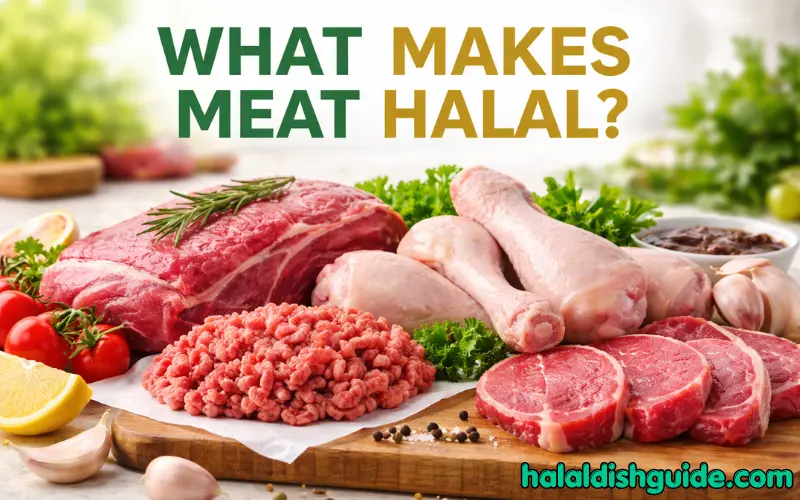
What makes meat halal? In Islam, meat is considered halal when it comes from a permissible animal and is slaughtered according to Islamic dietary guidelines. Halal meat is one of the most important parts of a Muslim diet, especially for Muslims living in the USA and UK, where many restaurants and supermarkets may not always follow halal standards. The word “halal” means permissible, and halal meat must meet specific religious and ethical requirements before Muslims can consume it.
For meat to be halal, the animal must be healthy, treated properly, and slaughtered through the Islamic zabiha method while the name of Allah is recited. Blood must also be fully drained from the animal because consuming blood is prohibited in Islam. Muslims are also concerned about halal certification, cross-contamination, animal welfare, and meat processing methods used by modern food companies. Since halal standards can vary between countries, restaurants, and suppliers, many Muslims carefully verify halal meat sources before eating.
Quick Overview Table
| Category | Halal Requirement | Notes |
| Animal Type | Must Be Permissible | Beef, chicken, lamb allowed |
| Pork | Haram | Completely prohibited |
| Slaughter Method | Zabiha Required | Islamic slaughter process |
| Allah’s Name | Required | Recited during slaughter |
| Blood Drainage | Mandatory | Blood consumption prohibited |
| Halal Certification | Recommended | Helps verify halal compliance |
The Concept of Halal Beyond Food
Halal is often translated as “permissible,” but its meaning goes much deeper. It represents a lifestyle guided by Islamic principles.
When applied to food, halal ensures that what a person consumes is pure, lawful, and ethically sourced. It reflects discipline, awareness, and accountability.
In the USA and UK, where food chains are industrialized, this concept becomes more relevant. Muslims are required to think about where their food comes from and how it reaches their plate.
Halal Meat: More Than Just Slaughter
Many people reduce halal to a single act—the moment of slaughter. In reality, halal meat involves a complete system that begins long before the animal is slaughtered.
From the way the animal is raised to how it is transported, handled, and processed, every step matters.
This holistic approach ensures that halal meat is not only religiously compliant but also ethically responsible.
Permissible Animals
The first condition of halal meat is that the animal itself must be permissible.
Animals such as cows, sheep, goats, and chickens are allowed. These are commonly consumed in both the USA and UK.
On the other hand, animals like pigs are strictly prohibited. This rule is clear and universally accepted among Muslims.
In Western countries, where pork products are widely used, this becomes a major concern. Even small traces of pork contamination can make food non-halal.
The Importance of Animal Welfare in Halal
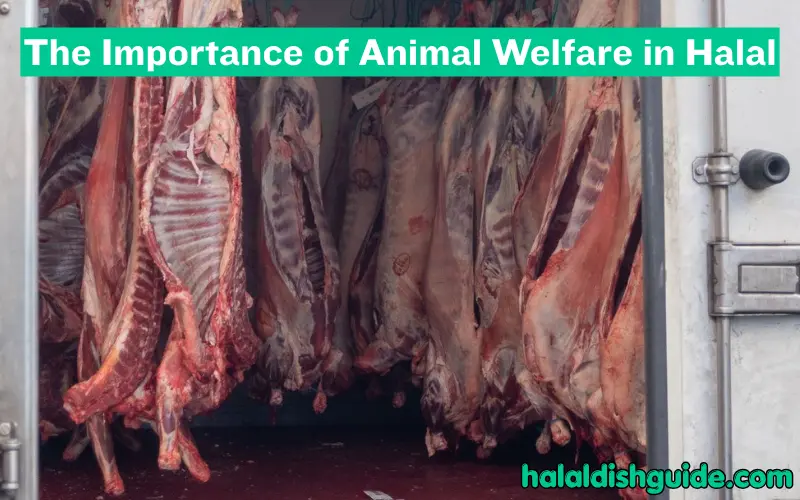
Islam places strong emphasis on the treatment of animals.
Animals must be raised in a healthy environment, given proper food, and not subjected to unnecessary stress.
In modern farming systems in the USA and UK, this aspect is often debated. Large-scale industrial farms may not always meet the ethical expectations associated with halal principles.
This is why many Muslims prefer to buy from trusted halal farms or suppliers that follow humane practices.
The Halal Slaughter Process
The method of slaughter is one of the most important elements of halal meat.
The process requires a sharp knife to make a swift cut to the throat, windpipe, and major blood vessels. The intention is to minimize pain and ensure a quick death.
The name of Allah must be mentioned at the time of slaughter. This reflects the spiritual aspect of consuming food with gratitude and awareness.
In the USA and UK, there is ongoing discussion about how this method aligns with animal welfare laws, especially regarding stunning practices.
Stunning and Halal Debate
One of the most debated topics is whether stunning animals before slaughter is permissible.
In the UK, stunning is commonly practiced and often required by law. Some halal certifiers accept reversible stunning, while others do not.
In the USA, practices vary depending on the slaughterhouse. Some halal facilities avoid stunning, while others use methods that are considered acceptable by certain scholars.
Because of these differences, Muslims often follow the opinion they trust and choose suppliers accordingly.
Why Blood Drainage Matters
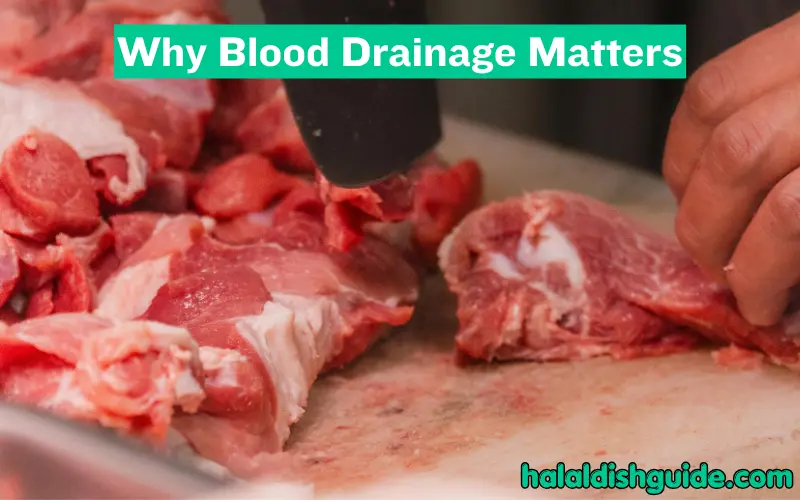
Blood is considered impure in Islam and must be removed from the meat.
The halal slaughter process ensures that blood is drained completely, which contributes to both cleanliness and quality.
Many people believe that this process also improves the taste and shelf life of the meat.
Halal Certification in the USA
The halal market in the United States is growing, but it is not fully standardized.
There are multiple certification bodies, each with its own criteria. This can sometimes create confusion among consumers.
Some products are labeled halal without proper certification, which makes it important to verify authenticity.
Halal Certification in the UK
The UK has a more structured halal certification system.
Organizations monitor and certify halal meat, making it easier for consumers to identify compliant products.
However, differences in certification standards still exist, especially regarding stunning.
From Farm to Plate: The Halal Supply Chain
Halal meat is not just about slaughter—it involves the entire supply chain.
This includes farming, transportation, processing, packaging, and distribution.
If any stage involves contamination with non-halal substances, the meat may no longer be considered halal.
In the USA and UK, where supply chains are complex, maintaining this integrity can be challenging.
Cross-Contamination Risks in Western Countries
Cross-contamination is one of the biggest concerns for Muslims living in non-Muslim countries.
In many restaurants and food facilities, halal and non-halal foods are prepared in the same environment.
Shared equipment, utensils, and storage areas can lead to contamination.
Because of this, many Muslims choose to eat only at fully halal-certified establishments.
Halal Meat in Restaurants
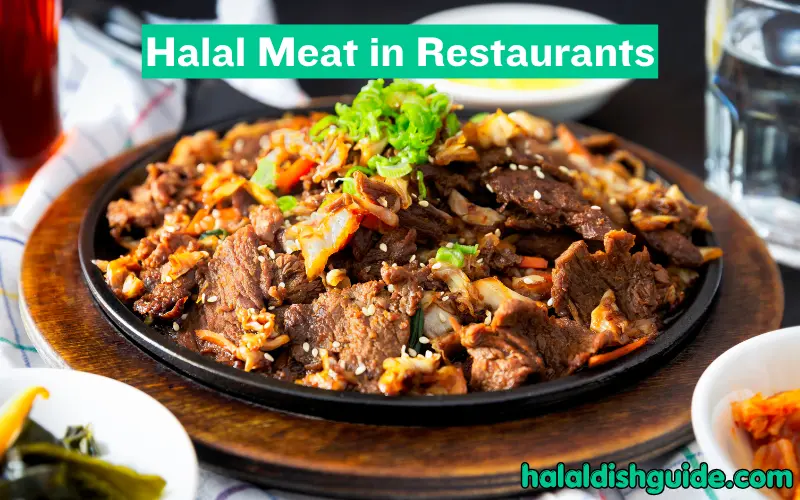
The availability of halal meat in restaurants has increased significantly in recent years.
Major cities now have a wide range of halal dining options, from fast food to fine dining.
However, not all restaurants follow strict halal practices. Some may serve halal meat but prepare it alongside non-halal items.
This makes it important to ask questions and verify before eating.
Ethical and Spiritual Dimensions of Halal Meat
Halal meat is deeply connected to faith. It is not just about physical nourishment but also spiritual well-being.
Eating halal is considered an act of عبادت (worship). It reflects obedience to Islamic teachings.
It also encourages mindfulness—being aware of what one consumes and how it affects both body and soul.
Health and Quality Aspects of Halal Meat
Many people associate halal meat with higher quality.
Proper blood drainage and careful handling can result in cleaner meat.
Ethical animal treatment may also contribute to better overall health of the animal, which affects the quality of the meat.
Why Halal Meat Is Gaining Popularity
Halal food is no longer limited to Muslim communities.
In the USA and UK, many non-Muslims are choosing halal meat because of its ethical and hygienic aspects.
Restaurants and food brands are responding to this demand by offering more halal options.
Common Misunderstandings About Halal Meat
Halal is only about religion
It also includes ethics, hygiene, and quality.
Halal meat is the same everywhere
Practices can vary between countries and suppliers.
Certification guarantees perfection
Certification helps, but consumers should still stay aware.
Challenges Muslims Face in the USA & UK
- Limited availability in smaller towns
- Confusion due to multiple certifications
- Cross-contamination risks
- Lack of clear labeling
These challenges require awareness and careful decision-making.
How to Choose Halal Meat in the West
- Buy from trusted halal butchers
- Look for certification labels
- Ask about sourcing and slaughter methods
- Avoid doubtful products
Practical Lifestyle Tips for Muslims
Living in the USA and UK requires practical solutions.
Planning meals, choosing reliable sources, and staying informed can make halal living easier.
Community support and local halal directories can also help.
We hope you guys find this guide helpful. If you like this one, here we have more for you:
- Are Doritos Halal or Haram?
- Top 10 Halal Restaurants in America
- Is Tofu Halal or Haram?
- Is Banana Bread Halal or Haram?
FAQs
What makes meat halal?
It must follow Islamic rules of sourcing and slaughter.
Is halal meat available in the USA?
Yes, but availability varies by location.
Is halal meat easy to find in the UK?
Yes, especially in major cities.
Why is halal slaughter important?
It ensures ethical and clean meat.
What makes meat halal in Islam?
Meat becomes halal when it comes from a permissible animal and is slaughtered according to Islamic zabiha guidelines.
Why must blood be drained from halal meat?
Blood is prohibited in Islam, so halal slaughter requires proper blood drainage after the animal is slaughtered.
Is halal meat only about slaughter?
No, halal meat also includes ethical animal treatment, proper processing, avoiding contamination, and following Islamic dietary rules throughout production.
Do all halal products have certification?
No, certification is not always present.
Conclusion
What makes meat halal? Halal meat must come from a permissible animal and follow Islamic slaughter guidelines known as zabiha. The animal should be healthy, treated humanely, slaughtered while Allah’s name is recited, and properly drained of blood. These rules are designed to ensure both spiritual and ethical standards for Muslim consumers.
Today, many Muslims in the USA and UK also focus on halal certification, meat sourcing, processing methods, and cross-contamination concerns when choosing halal meat products. Because modern food production can vary greatly between suppliers and restaurants, verifying halal certification and buying from trusted halal sources remains the safest option for halal-conscious consumers.