
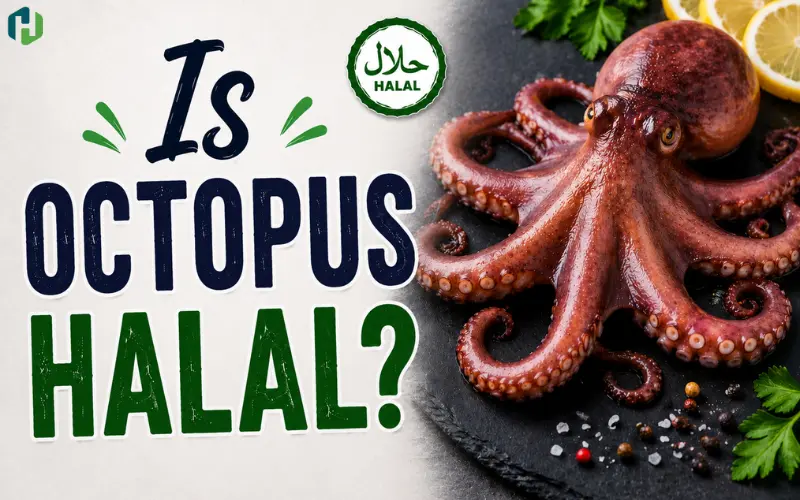
Is Octopus Halal

Is Octopus Halal or Haram?

Is octopus halal or Haram? The answer depends on which Islamic school of thought a Muslim follows. According to the majority of Islamic scholars, including the Shafi’i, Maliki, and Hanbali schools, octopus is considered halal because it is a sea creature. However, many Hanafi scholars consider octopus not halal or makruh because they limit halal seafood mainly to fish only. This difference of opinion is why the octopus remains one of the most debated seafood topics among Muslims.

Many Muslims in the USA and UK also ask whether octopus dishes served in sushi restaurants, seafood restaurants, and Asian cuisine are halal-friendly. Another important concern is preparation methods because some octopus dishes may include alcohol-based sauces, wine marinades, or shared cooking surfaces with non-halal foods. Since Islamic opinions and restaurant preparation methods can vary, Muslims should follow their preferred scholarly opinion and verify ingredients carefully before eating octopus dishes.

Quick Overview Table

CategoryHalal StatusNotes
Majority Islamic ViewHalalAccepted by Shafi’i, Maliki, Hanbali
Hanafi OpinionUsually Not HalalConsidered non-fish seafood
Fresh OctopusDepends on MadhabScholarly difference exists
Sushi OctopusDependsCheck sauces and preparation
Alcohol-Based MarinadesNot HalalWine or sake concern
Shared Cooking SurfacesPossible ConcernCross-contamination risk

Halal Seafood Principles

To fully understand whether octopus is halal, it is important to first understand how seafood is viewed in halal dietary guidelines.

In general, seafood is treated differently from land animals. Land animals require specific methods of slaughter, while seafood is often considered more flexible. However, scholars differ in how broadly seafood is defined.

There are two main approaches:

Broad Interpretation

  • All creatures that live in water are halal
  • No distinction between fish and non-fish
  • Includes octopus, squid, crab, lobster

Restricted Interpretation

  • Only fish are clearly halal
  • Non-fish sea animals are doubtful or disliked
  • Octopus falls into this debated category

This difference forms the foundation of the discussion about octopus.

What is Octopus?

Is Octopus Halal or Haram

Octopus is a fascinating marine animal with unique characteristics:

  • It belongs to the cephalopod family
  • Has eight arms with suction cups
  • Soft-bodied with no internal skeleton
  • Highly intelligent and adaptable
  • Found in oceans worldwide

Unlike fish, octopus does not have scales or fins, which is why some scholars treat it differently. However, it still lives entirely in water, which is why many scholars include it in halal seafood.

Why is Octopus Halal According to the Majority?

Most scholars consider octopus halal based on general principles that allow seafood. Their reasoning includes:

  • Octopus lives entirely in water
  • It is not a predator in the same sense as land animals
  • It is widely consumed without harm
  • It falls under the general category of sea creatures

Because of these reasons, the majority opinion is simple:
👉 If it comes from the sea, it is halal.

This view is followed by many people around the world and is considered the easier and more inclusive approach.

Why Some Scholars Consider It Doubtful

On the other hand, some scholars take a cautious stance. Their reasoning includes:

  • Octopus is not classified as a fish
  • It has a different biological structure
  • It may resemble creatures that are not typically eaten

Because of this, they categorize it as:

  • Makruh (disliked), or
  • Doubtful (better to avoid)

This does not always mean it is strictly forbidden, but it encourages caution for those who follow stricter interpretations.

Halal Status Overview

FactorStatus
Type✔ Seafood
Majority Opinion✔ Halal
Strict Opinion⚠ Doubtful
Cooking Risk⚠ Possible
Overall✔ Halal with caution

Cooking Methods: The Hidden Factor

Is Octopus Halal or Haram

One of the most important aspects people often ignore is cooking. Even if octopus is halal by nature, it can become problematic depending on how it is prepared.

Common Issues

  • Use of alcohol in sauces
  • Cooking with non-halal meat
  • Shared fryers or grills
  • Unknown ingredients in marinades

Safe Cooking Practices

  • Simple grilling with salt and spices
  • Boiling or steaming
  • Cooking in a clean, halal environment

Always remember:
👉 Halal food can become non-halal through preparation.

Cross-Contamination Explained

Cross-contamination is a major concern, especially in restaurants. It happens when halal food comes into contact with non-halal items.

Examples

  • Same oil used for frying pork and seafood
  • Same grill used for non-halal meat
  • Same utensils without proper cleaning

For octopus dishes, this risk is quite common in:

  • Seafood restaurants
  • Street food stalls
  • International kitchens

This is why people should always ask about preparation methods.

Global Perspective on Octopus Halal Status

In Muslim-Majority Regions

Octopus is generally accepted and consumed without hesitation. It is treated as normal seafood.

In Western Countries

Halal standards vary greatly. Some restaurants may not follow halal practices, increasing the need for verification.

In Asian Countries

Octopus is extremely popular, especially in Japan and Korea. However, sauces and cooking styles must be checked carefully.

Popular Octopus Dishes Around the World

Octopus is a key ingredient in many famous dishes:

  • Grilled octopus (Mediterranean style)
  • Takoyaki (Japanese street food)
  • Spicy octopus (Korean cuisine)
  • Seafood salads
  • Sushi and sashimi

Each of these dishes may have different ingredients, so it is important to check before eating.

Health Benefits of Octopus

Octopus is not only popular but also very nutritious.

Nutritional Highlights

  • High protein content
  • Low in fat
  • Rich in vitamins like B12
  • Contains iron and essential minerals

Health Benefits

  • Supports muscle development
  • Helps improve brain function
  • Good for heart health
  • Boosts energy and metabolism

This makes octopus a healthy choice for people looking for nutritious seafood options.

Ethical and Practical Considerations

Some people also consider ethical factors when deciding to eat octopus.

Points to Think About

  • Source of the seafood
  • Freshness and hygiene
  • Environmental impact
  • Humane handling

While these do not directly affect halal status, they are important for responsible consumption.

Should You Eat Octopus?

If You Follow Majority Opinion

You can eat octopus without concern as it is widely considered halal.

If You Prefer a Strict Approach

You may choose to avoid it or eat it only when fully certain.

Balanced Approach

Many people:

  • Eat it occasionally
  • Verify sources carefully
  • Avoid doubtful situations

This balanced method helps maintain both convenience and caution.

Common Misconceptions

“Octopus is haram because it looks strange”

Appearance does not determine permissibility.

“Only fish are halal everywhere”

This depends on interpretation, not a universal rule.

“Seafood is always safe without checking”

Cooking methods can change everything.

Practical Tips Before Eating Octopus

  • Always ask how it is prepared
  • Avoid alcohol-based dishes
  • Check for cross-contamination
  • Choose trusted restaurants
  • Prefer simple cooking methods

These steps can help you stay on the safe side.

We hope you guys find this guide helpful. If you like this one, here we have more for you:

FAQs

Is octopus halal in Islam?

According to most Islamic scholars, octopus is halal because it is seafood. However, many Hanafi scholars consider it not halal or makruh.

Why do some Muslims avoid octopus?

Some Muslims avoid octopus because certain Islamic schools, especially the Hanafi madhab, do not consider non-fish sea creatures halal.

Can octopus become non-halal during cooking?

Yes, octopus dishes may become non-halal if prepared with alcohol-based sauces, wine marinades, or shared cooking surfaces with non-halal foods.

Is octopus healthy?

Yes, it is rich in nutrients.

Can I eat it in restaurants?

Yes, but verify cooking methods.

Is it halal worldwide?

Depends on location and preparation.

Is grilled octopus halal?

Yes, if prepared properly.

Should I verify before eating?

Yes, always recommended.

Conclusion

Is octopus halal? According to the majority of Islamic scholars, octopus is generally considered halal because it is classified as seafood. However, many Hanafi scholars do not consider octopus permissible since it is not technically classified as a fish. Because of these scholarly differences, Muslims should follow the opinion of their trusted scholars and madhab when deciding whether to eat octopus.

Muslims should also pay attention to how octopus is prepared in restaurants. Alcohol-based marinades, non-halal sauces, and shared cooking equipment can create additional halal concerns even if the seafood itself is considered permissible. Verifying ingredients and preparation methods is always the safest approach for halal-conscious consumers in the USA and UK.