
Is Tyson Chicken Halal

Is Tyson Chicken Halal?

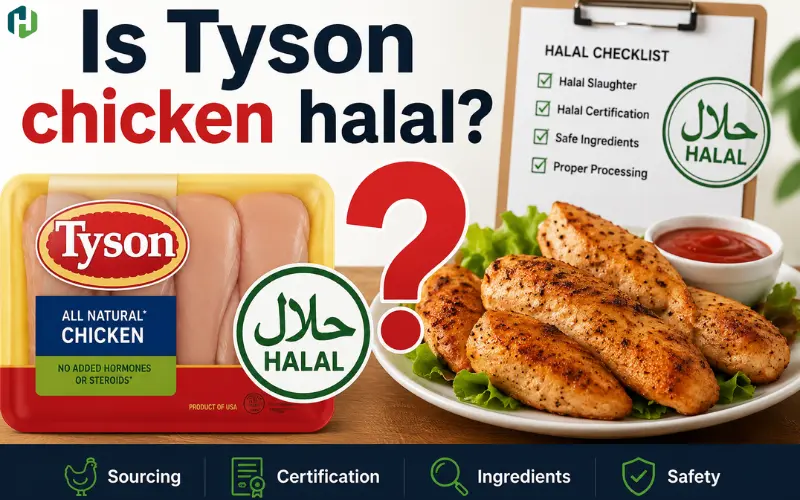
Is Tyson chicken halal? Tyson chicken is not fully halal because most Tyson products sold in regular supermarkets are not halal-certified. However, the company does produce certain halal-certified products for selected markets and customers. Because of this, the halal status of Tyson chicken depends on the exact product, location, certification, and processing method.

Tyson Foods is one of the world’s largest poultry producers, supplying chicken to supermarkets, restaurants, schools, and fast-food chains. Since halal-conscious consumers commonly eat chicken, many people want to know whether Tyson products meet halal dietary requirements. This guide explains everything clearly, including Tyson’s halal products, frozen meals, nuggets, restaurant supply chains, ingredients, processing concerns, and safer halal alternatives.

Quick Overview Table

CategoryHalal StatusBest Advice
Regular Tyson ChickenUsually not halalVerify
Halal Tyson ProductsHalal-certifiedSafer
Nuggets & PattiesDependsCheck ingredients
Restaurant ChickenVariesAsk supplier
Frozen MealsDependsVerify label

What Is Tyson Chicken?

Is Tyson Chicken Halal

Tyson Foods is one of the biggest poultry companies in the global food industry. The company produces a wide variety of chicken products, including raw chicken cuts, frozen nuggets, wings, patties, strips, grilled chicken, and ready-to-cook meals. Tyson products are sold in grocery stores, restaurants, cafeterias, and food chains around the world.

Because Tyson is such a large supplier, many consumers encounter the brand daily without always realizing it. Restaurants and fast-food chains often use Tyson chicken products in sandwiches, wraps, nuggets, and fried chicken meals. This widespread use naturally leads halal-conscious consumers to ask whether the chicken is halal-certified.

Many people assume chicken is halal simply because it is poultry, but halal status depends on more than the animal itself. The slaughter process, ingredient handling, seasoning blends, and manufacturing methods all affect whether a product is considered halal. This is why Tyson chicken continues to be discussed among Muslim consumers worldwide.

Related Post: Is Wagamama Halal?

Why People Ask if Tyson Chicken Is Halal

One of the main reasons people ask about Tyson chicken is the brand’s massive global presence. Tyson products appear in supermarkets, restaurants, schools, and frozen food aisles, making them difficult to avoid. Since Muslims consume chicken regularly, knowing whether Tyson products are halal becomes very important.

Another reason is that Tyson has produced halal-certified chicken products in some regions. Customers may see halal Tyson items online or in specialty stores, leading them to believe all Tyson chicken is halal. However, the reality is more complicated because the company serves many different markets with different standards.

Processed foods also create confusion. Products like nuggets, chicken fries, patties, and wings contain additional ingredients beyond chicken itself. Flavorings, breading, preservatives, and seasoning blends may introduce ingredients that require halal verification.

Because of these differences between product lines and markets, consumers often need detailed information before deciding whether Tyson chicken is suitable for them.

Tyson Chicken Product

ProductHalal StatusRecommendation
Fresh ChickenDependsVerify
Frozen NuggetsUsually not halalCheck label
Chicken PattiesDependsVerify
WingsUsually not halalAsk first
Halal Tyson LineHalal-certifiedBetter option

Does Tyson Produce Halal Chicken?

Yes, Tyson Foods does produce halal-certified chicken products in certain situations. These products are typically prepared specifically for halal markets or institutional buyers who require halal certification. Halal Tyson products usually include clear labeling and certification information.

However, halal-certified Tyson products are not the standard versions sold in most supermarkets. The majority of Tyson products available in regular grocery stores in the US and many other countries are not marketed as halal-certified.

This distinction is extremely important because many people mistakenly believe the entire Tyson brand is halal after seeing one certified product online. In reality, halal certification only applies to specific product lines and markets.

The safest approach is always checking the package directly for halal certification instead of relying on assumptions or general brand reputation.

Regular Tyson Chicken Products

Is Tyson Chicken Halal

Most standard Tyson chicken products sold in mainstream supermarkets are not considered halal-certified. These products are usually produced for the general market rather than specifically for halal consumers.

Chicken cuts, frozen strips, nuggets, wings, and ready-made meals may all use standard commercial poultry processing methods. Since halal slaughter requires specific religious guidelines, uncertified products create uncertainty for many Muslim consumers.

Another factor is seasoning and additives. Frozen Tyson products often include marinades, breading, preservatives, and flavoring agents. Even if the chicken itself were acceptable, these additional ingredients still need verification.

Because regular Tyson products are mass-produced for broad markets, many halal-conscious consumers prefer avoiding them unless they are specifically labeled halal.

Product Comparison

Product TypeHalal ConfidenceNotes
Raw ChickenModerateVerify source
NuggetsLowProcessed
Chicken FriesLowAdditives
Certified Halal TysonHighSafer
Restaurant SupplyDependsAsk restaurant

Tyson Nuggets and Processed Chicken

Tyson nuggets are among the company’s most popular products. They are sold in supermarkets, cafeterias, schools, and fast-food locations across many regions. While convenient, nuggets are also one of the most complicated Tyson products when it comes to halal concerns.

Nuggets contain more than just chicken. They also include breading, oils, flavorings, preservatives, starches, and seasoning blends. These extra ingredients can introduce uncertainty because their sources are not always clearly explained.

Another concern is processing. Nuggets are usually manufactured in large industrial facilities where different products are prepared on shared equipment. This raises cross-contamination concerns for strict halal-conscious consumers.

Because processed chicken products involve many additional ingredients and manufacturing stages, they are generally viewed with more caution than simple fresh chicken cuts.

Tyson Chicken in Restaurants

Many restaurants and fast-food businesses use Tyson chicken products without advertising the supplier directly. Chicken sandwiches, wraps, nuggets, salads, and fried meals may all contain Tyson chicken.

This means consumers can unknowingly eat Tyson products even when dining out. Restaurant employees may also not know whether the chicken is halal-certified because they focus on general supply chains rather than religious dietary standards.

Fast-food chains often prioritize consistency, cost, and supply availability rather than halal certification unless they specifically market halal products.

For halal-conscious consumers, this creates another challenge because restaurant chicken cannot automatically be assumed halal simply because it is chicken.

Restaurant Chicken

Food ItemHalal Concern
NuggetsHigh
Fried ChickenModerate
Chicken SandwichModerate
WrapsModerate
Chicken SaladsDepends

Tyson Halal Certification

Halal certification is the most reliable way to identify whether Tyson chicken products meet halal standards. Certified products are processed according to halal slaughter guidelines and are monitored through approved certification systems.

These products typically display a halal logo or certification statement on the packaging. Without this labeling, consumers often have no reliable way to confirm whether the product follows halal standards.

Certification also matters because Tyson operates in many countries and markets. A halal-certified Tyson product in one region does not automatically mean the same product is halal-certified elsewhere.

For many Muslim consumers, certification removes uncertainty and makes purchasing decisions much easier.

Ingredients and Additives

Processed Tyson products can contain a variety of ingredients beyond chicken itself. Common additions include:

  • seasoning blends
  • preservatives
  • flavor enhancers
  • oils
  • breading
  • starches

These ingredients are often used to improve flavor, texture, and shelf life. However, some flavoring agents may involve alcohol-based extraction methods or uncertain ingredient sources.

This is one reason why ingredient labels are especially important for frozen and processed chicken meals.

Ingredients

IngredientConcern
FlavoringVerify source
PreservativesUsually safe
OilsUsually safe
BreadingCheck ingredients
SeasoningDepends

Cross-Contamination Concerns

Large-scale food production facilities often handle many different products at the same time. Tyson manufactures chicken products for both halal and non-halal markets, which creates possible cross-contamination concerns.

Shared equipment, preparation lines, and storage systems may be used for different products. Some consumers are comfortable as long as the chicken itself is halal, while others prefer fully separated production systems.

Cross-contamination concerns are especially important for strict halal-conscious consumers who prefer greater control over processing conditions.

Understanding your own comfort level is important when deciding whether to consume mass-produced processed foods.

Tyson Products in Different Countries

Tyson products vary depending on the country and market. In some Muslim-majority regions, halal-certified Tyson products are easier to find because demand is higher.

In Western supermarkets, however, regular Tyson products are usually not marketed as halal-certified. This difference can confuse consumers who see halal Tyson products online and assume they are available everywhere.

Regional differences in certification, labeling, and supply chains make it important to check local packaging carefully instead of relying on international information.

Imported Tyson Products

Imported Tyson products may also differ from local products. Some imported items are specifically produced for halal markets and may include certification labels.

However, imported frozen foods can still vary widely depending on the distributor and destination market. Consumers should never assume imported products are automatically halal.

The safest approach is checking certification directly on the packaging.

Best Halal-Friendly Alternatives

If you are unsure about Tyson chicken, there are many halal-certified alternatives available. These include halal butchers, certified frozen chicken brands, and local halal grocery suppliers.

Fresh chicken from trusted halal sources is often easier to verify than heavily processed frozen foods.

Homemade chicken meals are another good option because they provide complete control over ingredients and preparation methods.

Alternatives

AlternativeBenefit
Halal ButcherTrusted sourcing
Certified Frozen ChickenSafer
Local Halal BrandsReliable
Fresh ChickenEasier to verify
Homemade MealsFull control

Why Halal Certification Matters

Halal certification simplifies food choices and removes uncertainty. Certified products are checked for slaughter methods, ingredient sourcing, and production practices.

For global brands like Tyson, certification is especially important because products differ between markets and facilities.

Many halal-conscious consumers rely heavily on certification because it provides confidence and consistency.

Common Mistakes People Make

One common mistake is assuming all chicken is halal.

Another mistake is believing every Tyson product follows the same standards worldwide.

Some consumers also ignore processed ingredients and only focus on the meat itself.

The safest approach is always reading labels carefully and checking certification.

What to Check Before Buying

Before buying Tyson chicken products, check for:

  • halal certification
  • ingredient list
  • additives
  • seasoning blends
  • market-specific labeling

These details help reduce confusion and uncertainty.

We hope you guys find this guide helpful. If you like this one, here we have more for you:

FAQs

Is Tyson chicken halal?

Some Tyson products are halal-certified, but most regular supermarket products are not.

Does Tyson make halal-certified chicken?

Yes, Tyson produces halal-certified products for certain regions and customers.

Are Tyson nuggets halal?

Most Tyson nuggets are not halal-certified unless clearly labeled halal.

Is frozen Tyson chicken halal?

Frozen Tyson chicken is usually not halal-certified unless the packaging specifically states otherwise.

Do restaurants use Tyson chicken?

Yes, many restaurants and fast-food chains use Tyson chicken products.

How can I check if Tyson chicken is halal?

Look for halal certification on the package and verify product details carefully.

Are halal Tyson products available everywhere?

No, halal Tyson products are usually limited to specific markets and regions.

What is the safest alternative to Tyson chicken?

Halal-certified chicken brands and trusted halal butchers are usually safer options.

Conclusion

Is Tyson chicken halal? The answer depends on the exact product and certification. While Tyson does produce halal-certified chicken for some markets, most regular Tyson products sold in mainstream supermarkets are not considered halal-certified.

For halal-conscious consumers, the safest approach is checking labels carefully, looking for halal certification, and choosing trusted halal alternatives whenever uncertainty exists.