
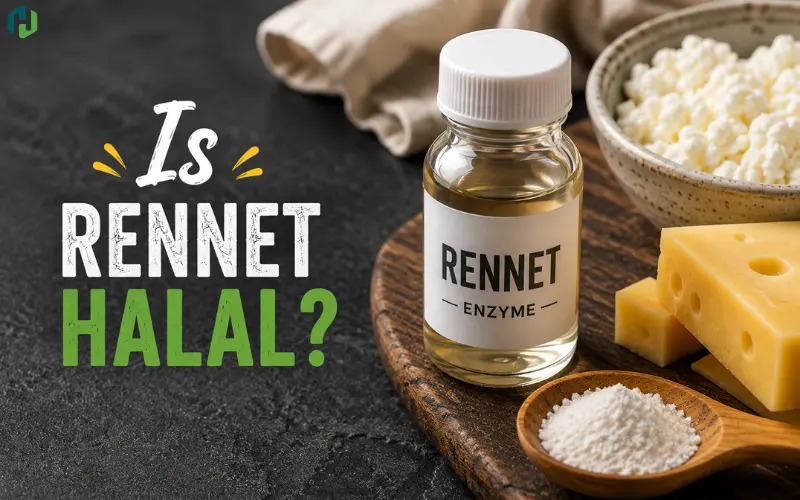
Is rennet halal? Rennet can be either halal or non-halal, depending on its source and the production method. Some rennet comes from halal-slaughtered animals, while other types may come from non-halal animal sources. There are also microbial and plant-based versions that many halal-conscious consumers consider safer choices. Because of these differences, the halal status of rennet is not always straightforward.
Rennet is commonly used in cheese production and is responsible for helping milk separate into curds and whey. Since it is found in many types of cheese, halal-conscious consumers often question whether the cheese they eat is permissible. This guide explains everything clearly, including animal rennet, microbial rennet, cheese labeling, processing methods, and the safest options for consumers who want to avoid uncertainty.
Quick Overview Table
| Type of Rennet | Halal Status | Best Advice |
| Animal Rennet | Depends | Verify source |
| Microbial Rennet | Usually halal | Safer choice |
| Plant Rennet | Halal-friendly | Good option |
| Vegetarian Cheese | Better | Check label |
| Imported Cheese | Depends | Verify |
What Is Rennet?
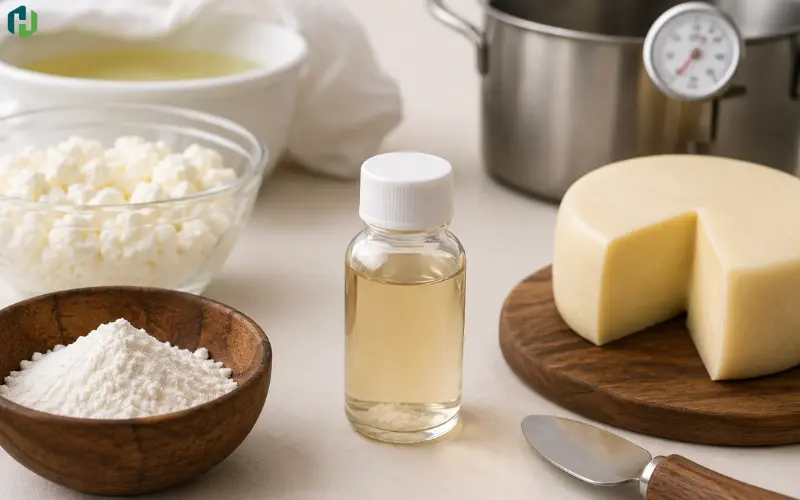
Rennet is an enzyme used in the production of cheese. Its main role is to help milk coagulate, which means separating the solid curds from the liquid whey. This process is essential for producing many popular cheeses around the world.
Traditionally, rennet was obtained from the stomach lining of young animals such as calves. Over time, food manufacturers also developed microbial and plant-based alternatives to meet growing consumer demand and dietary preferences.
Because rennet itself is not visible in the final cheese product, many people do not realize it may come from animal sources. This hidden nature is one reason why halal-conscious consumers often become confused when checking cheese ingredients.
What rennet is and where it comes from is important because the source directly affects whether it is considered halal.
Why People Ask if Rennet Is Halal
People ask whether rennet is halal because cheese is one of the most commonly consumed foods worldwide. Pizza, burgers, sandwiches, pasta dishes, and snacks often contain cheese, making rennet an everyday concern for many Muslims.
Another reason is that ingredient labels are not always clear. Many products simply list “rennet” without explaining whether it is animal-based, microbial, or plant-derived. This lack of detail creates uncertainty.
Social media and online discussions also contribute to confusion. Some people believe all cheese is halal, while others avoid all cheese unless it is certified. Since different scholars and consumers approach the issue differently, opinions can vary widely.
The safest approach is understanding the different types of rennet and how they are produced.
Types of Rennet Table
| Rennet Type | Source | Halal Confidence |
| Animal | Animal stomach | Depends |
| Microbial | Fungi/bacteria | High |
| Plant-Based | Plants | High |
| Fermentation | Lab-produced | Usually halal |
| Unknown Source | Unclear | Avoid if unsure |
Animal Rennet Explained
Animal rennet is the traditional form of rennet used in cheese-making for centuries. It is usually extracted from the stomach lining of young calves, goats, or lambs.
The halal status of animal rennet depends heavily on the source animal and slaughter process. If the animal was slaughtered according to halal guidelines, many scholars consider the rennet halal. However, if the animal was not slaughtered properly, opinions differ.
Some scholars view rennet differently from meat because it is an enzyme rather than flesh itself. Others take a stricter approach and avoid rennet from non-halal slaughtered animals entirely.
Because of these differing views, many halal-conscious consumers prefer to avoid animal rennet unless certification is available.
Microbial Rennet
Microbial rennet is produced using fungi, bacteria, or fermentation processes instead of animal stomachs. It was developed as an alternative to traditional animal rennet and is now widely used in commercial cheese production.
This type of rennet is popular because it avoids animal sourcing concerns. Many vegetarian cheeses use microbial rennet, which also makes it attractive to halal-conscious consumers.
Microbial rennet is generally considered halal because it does not involve animal slaughter. However, consumers still prefer halal certification for additional confidence.
Today, many supermarkets and food brands clearly label cheeses made with microbial enzymes or vegetarian rennet, making shopping easier.
Rennet Comparison
| Feature | Animal Rennet | Microbial Rennet |
| Source | Animal | Fungi/Bacteria |
| Halal Concern | Higher | Lower |
| Vegetarian | No | Yes |
| Common in Cheese | Yes | Yes |
| Safer Choice | Depends | Better |
Plant-Based Rennet
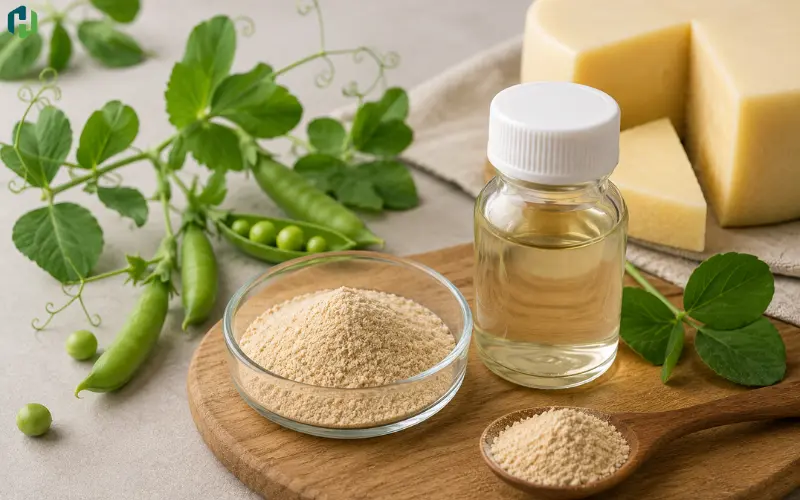
Plant-based rennet comes from natural plant sources such as thistles, figs, and certain herbs. This method has existed for centuries and is commonly used in some traditional Mediterranean cheeses.
Because plant rennet does not involve animals, many halal-conscious consumers see it as a safe and simple option. It is also suitable for vegetarians.
Plant-based rennet is less common in large-scale commercial cheese production because it may create different textures or flavors compared to animal rennet. However, interest in plant-based food has increased demand for these alternatives.
Cheeses made with plant-based enzymes are often clearly labeled, which helps consumers make informed decisions.
Why Cheese Creates Confusion
Cheese creates confusion because it often looks simple while involving complex production methods behind the scenes. Consumers may only see milk, salt, and flavoring on the label without realizing enzymes were used during processing.
Another issue is inconsistent labeling. Some products say “enzymes,” others say “rennet,” and some specify “microbial enzymes.” These differences make it difficult for consumers to know exactly what was used.
Imported cheeses can create even more uncertainty because labeling laws vary between countries. One brand may provide detailed information, while another gives almost none.
This lack of transparency is one of the main reasons halal-conscious shoppers spend extra time checking cheese products.
Cheese Categories
| Cheese Type | Rennet Concern | Notes |
| Mozzarella | Common | Check source |
| Parmesan | Higher | Usually animal rennet |
| Cheddar | Depends | Verify |
| Cream Cheese | Lower | Often safer |
| Cottage Cheese | Lower | Minimal concern |
Is Vegetarian Cheese Halal?
Vegetarian cheese is often considered one of the safest options for halal-conscious consumers. These cheeses usually use microbial or plant-based enzymes instead of animal rennet.
However, “vegetarian” does not automatically mean halal-certified. Other ingredients, flavorings, or additives may still require checking.
Despite this, vegetarian cheese is generally preferred by many Muslims because it avoids the biggest concern associated with traditional rennet.
Supermarkets now carry a large variety of vegetarian cheeses, making them easier to find than before.
Popular Foods That Contain Rennet
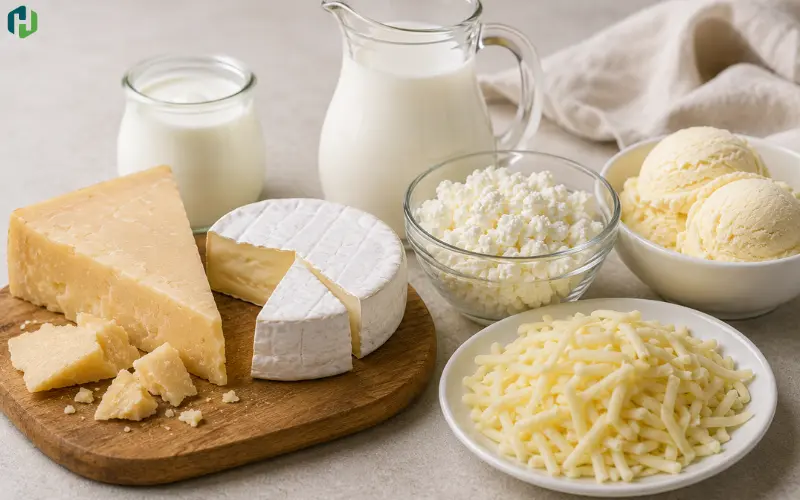
Rennet is found in many common foods, especially dairy-based products. These include:
- pizza cheese
- burgers
- sandwiches
- pasta dishes
- cheesy snacks
- frozen meals
Because cheese is used so widely, rennet becomes an everyday issue rather than a rare concern.
Foods
| Food | Rennet Concern |
| Pizza | High |
| Burgers | Moderate |
| Pasta | Moderate |
| Snacks | Depends |
| Frozen Foods | Check |
Halal Certification and Cheese
Halal certification is one of the easiest ways to remove uncertainty when buying cheese products. Certified cheese has already been checked for ingredient sourcing and production standards.
Many halal-certified cheeses use microbial or plant-based rennet. Some may also use halal-slaughtered animal rennet.
Certification helps consumers avoid confusion, especially when ingredient labels are unclear.
As halal food markets continue to grow worldwide, halal-certified cheese options are becoming more common.
Imported Cheese and Hidden Risks
Imported cheeses can sometimes create more uncertainty because labeling standards differ between countries. Some countries require detailed ingredient information, while others allow more general terms like “enzymes.”
European cheeses are especially known for using traditional animal rennet in some varieties, particularly aged cheeses like Parmesan.
Because imported cheeses are often viewed as premium products, consumers may assume they are safe without checking carefully.
The safest approach is always verifying certification or choosing clearly labeled vegetarian options.
Restaurant Cheese Concerns
Restaurants often use bulk cheese products without detailed ingredient information available to customers. Pizza chains, burger restaurants, and cafes may not know whether their cheese contains animal rennet or microbial enzymes.
Fast food restaurants can be especially difficult because ingredient sourcing changes depending on suppliers and regions.
For halal-conscious diners, this means restaurant cheese sometimes carries more uncertainty than packaged supermarket products.
Best Halal-Friendly Cheese Choices
If you want the safest options, the best choices usually include:
- halal-certified cheese
- vegetarian cheese
- microbial rennet cheese
- plant-based cheese
- clearly labeled products
These options reduce uncertainty significantly.
Best Choice
| Category | Best Choice |
| Everyday Cheese | Vegetarian |
| Pizza Cheese | Halal-certified |
| Snacks | Microbial enzymes |
| Imported Cheese | Verify |
| Restaurant Food | Ask first |
Common Mistakes People Make
One common mistake is assuming all cheese is halal.
Another mistake is ignoring the word “enzymes” on ingredient labels.
Some people also assume vegetarian automatically means halal-certified, which is not always true.
The safest approach is always checking labels carefully.
What to Check on Labels
When buying cheese products, look for:
- microbial enzymes
- vegetarian rennet
- halal certification
- plant-based enzymes
- clear ingredient details
These details make choosing easier.
We hope you guys find this guide helpful. If you like this one, here we have more for you:
- Is Vanilla Extract Halal? Complete Guide
- Halal Munchies UK Guide
- Is White Wine Vinegar Halal? Complete Guide
- Are M&M’s Halal? Complete Guide
- Halal Snacks in UK
FAQs
Is rennet halal?
Rennet can be halal or non-halal depending on its source and production method.
Is microbial rennet halal?
Yes, microbial rennet is generally considered halal because it is not animal-based.
Is animal rennet halal?
Animal rennet is only considered halal if it comes from properly sourced halal animals.
Does all cheese contain rennet?
No, some cheeses use microbial or plant-based enzymes instead of animal rennet.
Is vegetarian cheese halal?
Vegetarian cheese is usually a safer option because it avoids animal rennet.
Which cheese often uses animal rennet?
Parmesan and some aged cheeses commonly use traditional animal rennet.
How can I check if cheese is halal?
Look for halal certification or labels mentioning microbial or vegetarian rennet.
What is the safest cheese option?
Halal-certified and vegetarian cheeses are usually the safest choices.
Conclusion
Is rennet halal? The answer depends on the source and production process. Animal rennet may or may not be halal depending on how the animal was sourced and slaughtered, while microbial and plant-based rennet are generally considered safer choices.
For halal-conscious consumers, the best approach is choosing halal-certified or vegetarian cheese products, reading labels carefully, and avoiding unclear ingredients when uncertain.