
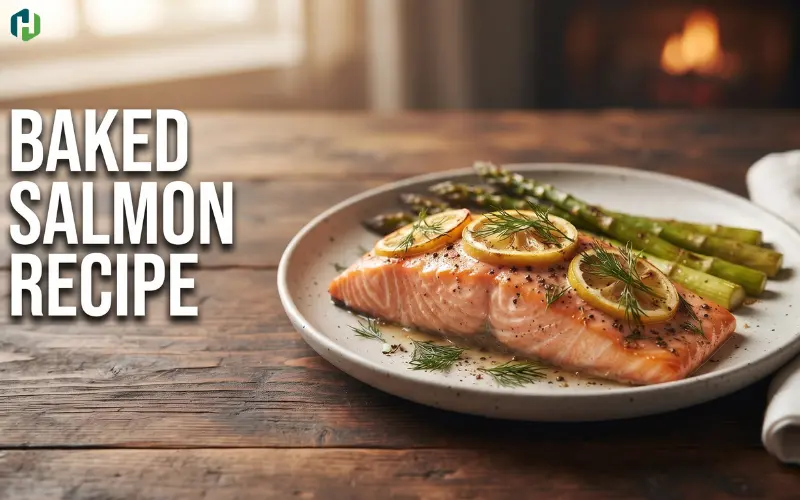
This baked salmon recipe is an easy way to make tender, flavorful salmon with a lightly seasoned exterior and a juicy center. It requires simple ingredients, minimal preparation, and about 20 minutes in the oven, making it a practical choice for a weeknight dinner.
If you’re looking for a reliable salmon recipe, baking is one of the easiest cooking methods to master. You can keep the seasoning simple with garlic, lemon, olive oil, salt, and black pepper, then serve the baked salmon with vegetables, rice, potatoes, or salad.
This recipe works well for USA and UK kitchens, with straightforward ingredient measurements and temperature guidance for both Fahrenheit and Celsius.
Quick Overview
Nutrition Information
The following nutrition values are estimated per serving, based on four servings using 5–6 oz salmon fillets and the ingredients listed in this recipe. Actual values can vary depending on the exact salmon fillet size, amount of oil used, and ingredient brands.
What Is Baked Salmon?
Baked salmon is salmon that is seasoned and cooked in the oven until the flesh becomes tender and flakes easily. Unlike pan-frying, baking requires very little oil and allows the fish to cook evenly without constant attention.
Salmon naturally contains plenty of flavor and healthy fats, so it does not need a complicated marinade. Lemon, garlic, olive oil, paprika, herbs, salt, and black pepper are enough to create a flavorful dinner.
The most important part of a good salmon recipe is avoiding overcooking. Salmon can go from moist and tender to dry surprisingly quickly, particularly when the fillets are thin.
Related Post: Marry Me Chicken Recipe
Baked Salmon Ingredients
For 4 servings, you’ll need:
- 4 salmon fillets, about 5–6 oz (140–170 g) each
- 2 tablespoons olive oil
- 2 garlic cloves, finely minced
- 1 tablespoon fresh lemon juice
- 1 teaspoon lemon zest
- 1 teaspoon paprika
- 1 teaspoon dried Italian herbs or dried parsley
- ½ teaspoon salt
- ½ teaspoon freshly ground black pepper
- 1 tablespoon chopped fresh parsley, optional
- Lemon wedges, for serving
USA and UK Ingredient Notes
In the USA, salmon fillets are commonly sold by weight in ounces, while UK supermarkets often use grams. Either measurement works for this recipe.
The recipe also provides both Fahrenheit and Celsius temperatures throughout, so it can be followed easily with ovens in either the USA or UK.
Atlantic salmon is widely available in both countries and is usually relatively rich and moist. Wild salmon can have a firmer texture and slightly stronger flavor, so cooking time may vary depending on the fillet.
Fresh lemon gives the best flavor, but bottled lemon juice can work when fresh lemons are unavailable.
Olive oil can be replaced with another neutral cooking oil, although extra-virgin olive oil adds a pleasant flavor.
How to Bake Salmon
1. Preheat the Oven
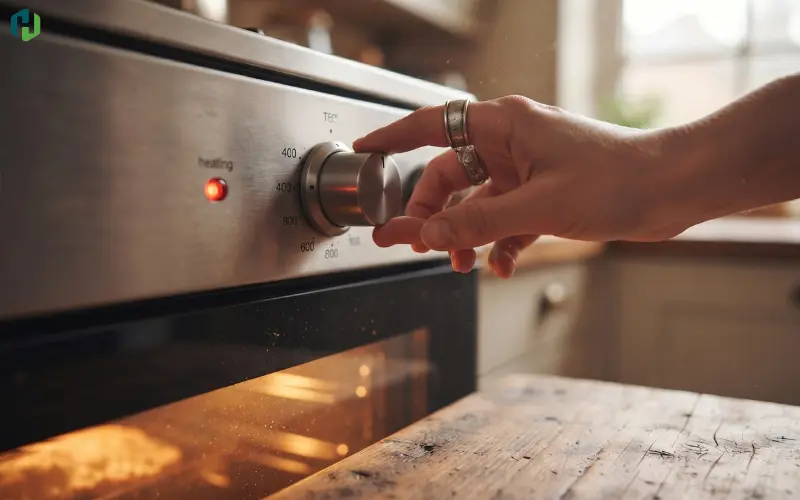
Preheat your oven to 400°F (200°C).
Line a baking sheet or baking dish with parchment paper or lightly grease it with olive oil. This makes cleanup easier and helps prevent the salmon from sticking.
2. Prepare the Salmon
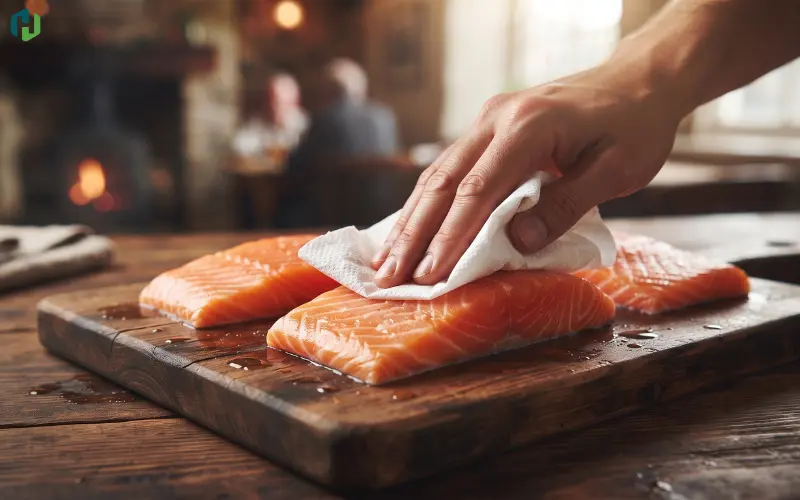
Pat the salmon fillets dry with paper towels.
Place them skin-side down on the prepared baking sheet if the skin is still attached.
Drying the surface first helps the seasoning stick and prevents excess moisture from interfering with browning.
3. Make the Seasoning
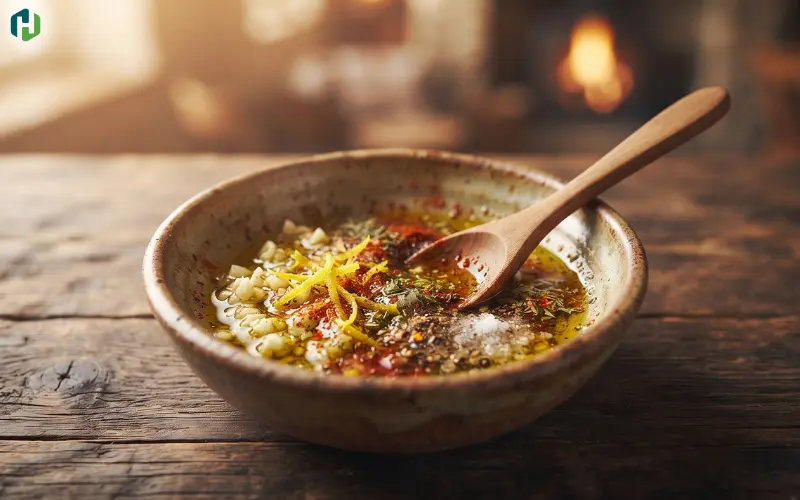
In a small bowl, combine:
- Olive oil
- Minced garlic
- Lemon juice
- Lemon zest
- Paprika
- Dried herbs
- Salt
- Black pepper
Stir until combined.
4. Season the Fillets
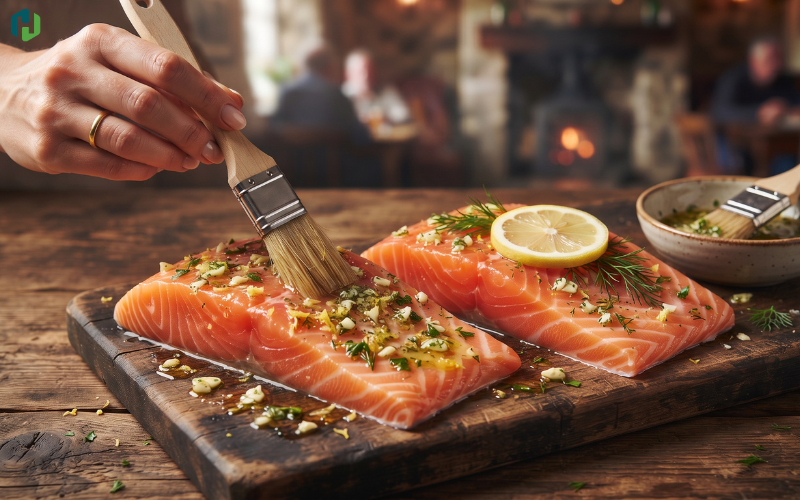
Brush the seasoning mixture evenly over the top of each salmon fillet.
Try to distribute the garlic and herbs evenly rather than leaving a large amount concentrated in one area.
For extra lemon flavor, place a thin lemon slice on each piece before baking.
5. Bake the Salmon
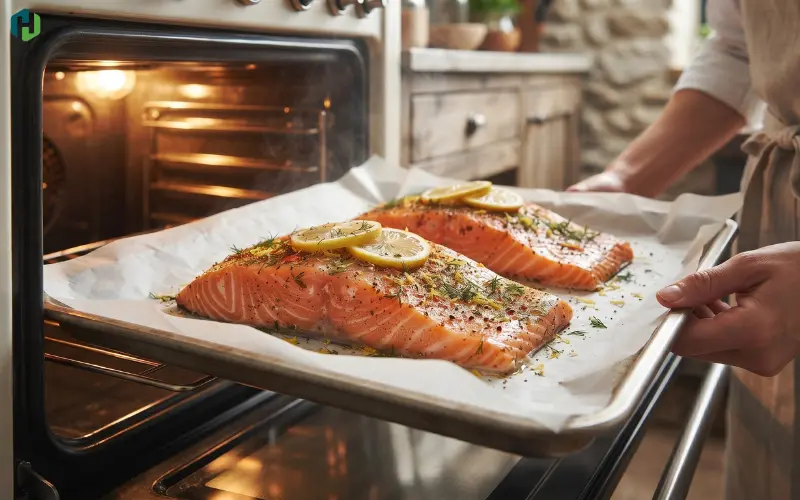
Place the salmon in the preheated oven.
Bake for approximately 12–18 minutes, depending on the thickness of the fillets.
Thinner pieces may be ready closer to 12 minutes, while thick center-cut fillets can require longer.
The salmon should become opaque on the outside and separate into flakes when gently tested with a fork.
For the most reliable result, use an instant-read thermometer in the thickest part of the fish. The FDA’s general food-safety guidance recommends cooking fish to 145°F (63°C).
6. Rest and Serve
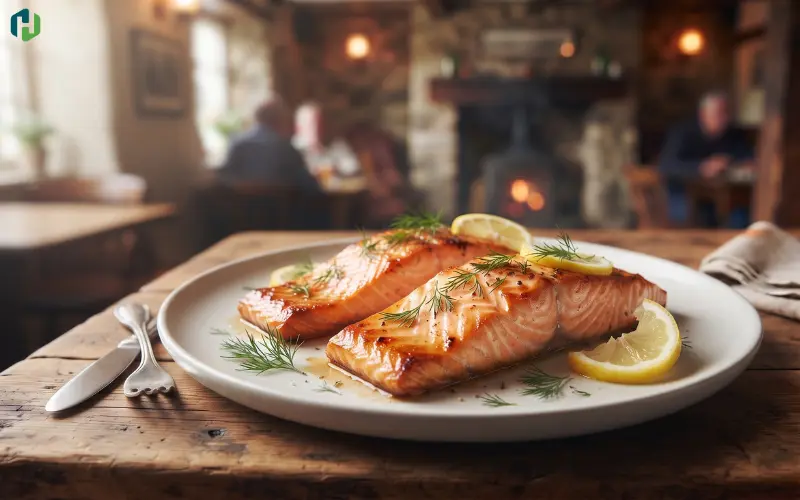
Remove the salmon from the oven and allow it to rest for a couple of minutes.
Finish with fresh parsley and lemon wedges.
Serve immediately while the salmon is warm and juicy.
How Long to Bake Salmon?
The exact baking time depends mainly on the thickness of the salmon rather than simply its weight.
At 400°F (200°C), many average salmon fillets take around 12–18 minutes.
A very thin fillet can cook more quickly, while a thick center-cut portion may need additional time.
Rather than relying only on a timer, check the thickest part of the fish. Salmon should flake easily and reach a safe internal temperature of 145°F (63°C).
If you’re cooking a large side of salmon instead of individual fillets, expect the cooking time to be longer.
How Do You Know When Salmon Is Done?
There are several signs you can use.
The flesh should change from translucent to mostly opaque and should separate into flakes when gently pressed with a fork.
However, appearance alone is not always reliable because salmon thickness varies considerably.
An instant-read thermometer gives you a much more dependable measurement. Insert it into the thickest part of the fillet without touching the baking tray.
For food safety, fish should reach 145°F (63°C).
If you prefer salmon that is particularly moist, avoid leaving it in the oven significantly longer than necessary.
Tips for the Best Baked Salmon
Choose evenly sized fillets
Similar-sized pieces are easier to cook evenly. If one fillet is much thinner than the others, check it earlier.
Don’t skip drying the salmon
Patting the fish dry helps the seasoning adhere better and reduces excess surface moisture.
Use fresh lemon
Fresh lemon juice and zest provide a brighter flavor than bottled juice alone.
Don’t overload the fish with seasoning
Salmon has a naturally rich flavor. Too many strong spices can cover rather than complement the fish.
Watch the cooking time
Overcooking is one of the most common mistakes with baked salmon. Start checking the fish toward the lower end of the suggested cooking range.
Let it rest briefly
A short rest after baking allows the juices to settle and makes the salmon easier to serve without breaking apart.
Should You Bake Salmon Covered or Uncovered?
For this recipe, bake the salmon uncovered.
Leaving it uncovered allows the surface to develop a lightly roasted finish while the inside cooks through.
Covering salmon with foil can trap steam and produce a softer surface. This can be useful for certain preparations, but it is not necessary for this simple baked salmon recipe.
If your salmon tends to dry out easily, you can loosely cover it for part of the cooking process, but make sure to monitor the internal temperature.
What to Serve With Baked Salmon
Baked salmon works with a wide variety of sides.
For a simple dinner, serve it with roasted vegetables and rice. Broccoli, asparagus, green beans, carrots, and zucchini all pair well with salmon.
Mashed or roasted potatoes are another filling option.
For a lighter meal, serve the salmon with a fresh green salad, cucumber, tomatoes, or steamed vegetables.
Rice is especially practical for family dinners because it absorbs some of the lemon-garlic juices from the fish.
You can also serve the salmon with pasta and a light lemon sauce for a more substantial meal.
Easy Baked Salmon Variations
Garlic Butter Salmon
Replace part of the olive oil with melted butter and add a little extra garlic. The result is richer and more indulgent.
Honey Garlic Salmon
Add a small amount of honey to the seasoning mixture for a sweet-savory glaze. Reduce the honey if you prefer a less sweet salmon recipe.
Lemon Herb Salmon
Increase the lemon zest and add fresh dill, parsley, or thyme for a brighter herb-forward version.
Spicy Baked Salmon
Add chili flakes or a small amount of cayenne pepper to the seasoning for more heat.
Mediterranean-Style Salmon
Add sliced tomatoes, olives, garlic, parsley, and a little oregano around the salmon before baking.
Is Baked Salmon Healthy?
Salmon can be a nutritious part of a balanced diet, and the estimated nutrition for this recipe provides about 34 g of protein and approximately 2 g of omega-3 fatty acids per serving. These figures are based on the 5–6 oz salmon fillets and seasoning quantities listed above.
The salmon itself provides most of the protein and omega-3 fats, while the olive oil contributes additional fat and calories. The exact nutritional profile can vary depending on the size and type of salmon used and how much oil is actually absorbed during preparation.
Portion size and added ingredients also affect the overall calories. Serving the fish with vegetables and a moderate portion of rice or potatoes can make it a balanced meal, while adding large amounts of butter, sugary sauces, or calorie-dense sides will increase the total calories.
Is Baked Salmon Halal?
Plain salmon is generally considered halal, and this baked salmon recipe uses ingredients that are generally halal-friendly.
The main ingredients here — salmon, olive oil, garlic, lemon, herbs, paprika, salt, and black pepper — do not normally create a halal concern.
However, packaged sauces, seasonings, marinades, or flavored stocks can contain additional ingredients, so always check labels if you follow a strict halal diet.
Cross-contact can also matter when eating salmon prepared in a restaurant or shared kitchen, particularly if the same cooking equipment is used for non-halal foods.
For this recipe, preparing the salmon at home with clearly labeled ingredients makes it easy to control what goes into the dish.
How to Store Leftover Baked Salmon
Allow leftover salmon to cool and place it in an airtight container.
Refrigerate it promptly and use it within 3–4 days for best quality.
When reheating, use a low oven temperature or microwave at reduced power. Salmon can become dry when reheated aggressively.
You can also enjoy leftover baked salmon cold in salads, sandwiches, wraps, or rice bowls.
Can You Freeze Baked Salmon?
Yes, baked salmon can be frozen.
Allow the cooked salmon to cool before placing it in a freezer-safe airtight container or wrapping it securely.
For best quality, use frozen cooked salmon within a few months.
Thaw it in the refrigerator rather than leaving it at room temperature. Reheat gently to avoid drying the fish.
See Also: Is Steak Halal or Haram?
FAQs
What is the best temperature to bake salmon?
400°F (200°C) is a useful temperature for baking salmon because it cooks the fish relatively quickly while allowing the surface to develop some color.
How long should I bake salmon?
At 400°F (200°C), individual salmon fillets commonly take around 12–18 minutes, depending on their thickness. Always check the thickest part for doneness.
What is the safest internal temperature for salmon?
For food safety, salmon should reach 145°F (63°C) in the thickest part of the fish.
Should I bake salmon with the skin on?
Yes. Skin-on salmon can be baked with the skin facing down. The skin helps protect the flesh from direct heat and can make the fish easier to handle.
Can I bake frozen salmon?
You can bake salmon from frozen, although cooking time will be longer and the texture may not be quite as good as properly thawed salmon. For the most consistent result, thaw it safely in the refrigerator first.
Do I need to flip salmon while baking?
No. Salmon generally does not need to be flipped when baking. Keeping it skin-side down helps protect the flesh and makes the cooking process easier.
What seasonings go well with salmon?
Garlic, lemon, paprika, black pepper, parsley, dill, thyme, and Italian herbs all work well with salmon.
Why is my baked salmon dry?
The most common reason is overcooking. Salmon continues to cook from residual heat after leaving the oven, so monitoring the internal temperature can help prevent dryness.
Can I use butter instead of olive oil?
Yes. Melted butter works very well with salmon, particularly with garlic and lemon. You can also use a combination of butter and olive oil.
Is baked salmon gluten-free?
Plain baked salmon is naturally gluten-free, provided the seasonings and other packaged ingredients do not contain gluten. Always check labels for prepared sauces and seasoning blends.
What is the difference between baked salmon and grilled salmon?
Baked salmon is cooked using surrounding oven heat, while grilled salmon is exposed to more direct heat. Grilling can produce stronger browning and smoky notes, while baking is generally easier to control.
What can I do with leftover salmon?
Leftover salmon can be added to salads, wraps, sandwiches, rice bowls, pasta, or scrambled eggs. It can also be served cold with a lemon-based dressing.
Conclusion
This baked salmon recipe is a simple starting point for making tender, flavorful fish at home. The combination of lemon, garlic, olive oil, herbs, and paprika adds plenty of flavor without requiring a complicated marinade.
The biggest secret to good baked salmon is controlling the cooking time. Choose evenly sized fillets, avoid overcooking them, and use an instant-read thermometer when possible.
Whether you’re searching for an easy salmon recipe, learning how to bake salmon for the first time, or simply looking for a dependable weeknight dinner, this method is easy to adapt. Serve it with vegetables, rice, potatoes, salad, or your favorite side for a straightforward meal that works equally well for family dinners and casual entertaining.