
Is Cane’s halal? Raising Cane’s is not fully halal because most of its chicken served in regular locations is not halal-certified. However, some international branches and specific markets may offer halal-certified chicken depending on local demand and suppliers. Because of this, the halal status of Cane’s depends on the country, location, and supplier used by the restaurant.
Raising Cane’s is one of the most popular fast-food chicken chains, known for chicken fingers, fries, Texas toast, and Cane’s sauce. Since the menu is heavily focused on chicken, halal-conscious customers often want to know whether the meat is halal-certified and whether the preparation methods meet halal standards. This guide explains everything clearly, including chicken sourcing, cross-contamination concerns, sauces, international locations, and safer menu choices.
Quick Overview Table
| Category | Halal Status | Best Advice |
| US Cane’s Chicken | Usually not halal | Verify |
| International Branches | Depends | Ask location |
| Fries | Usually safe | Check fryer |
| Sauces | Depends | Verify ingredients |
| Halal-Certified Locations | Halal | Safer choice |
What Is Raising Cane’s?
Raising Cane’s is a fast-food restaurant chain famous for its chicken finger meals. The menu is simple compared to many other chains and mainly focuses on fried chicken strips, fries, coleslaw, toast, drinks, and dipping sauce.
The brand became popular because of its focus on fresh chicken and consistent quality. Many customers enjoy the restaurant’s limited menu and signature Cane’s sauce.
Because chicken is the central item on the menu, halal-conscious consumers naturally ask whether the chicken is halal-certified. Unlike chains that offer many non-meat options, Cane’s is built almost entirely around poultry products.
This strong focus on chicken makes halal sourcing one of the most important concerns for Muslim customers.
Why People Ask if Cane’s Is Halal
One of the biggest reasons people ask whether Cane’s is halal is that fried chicken is a common halal food when sourced properly. Many Muslims regularly eat halal fried chicken from local restaurants, so they naturally wonder whether Cane’s follows the same standards.
Another reason is that international fast-food chains sometimes change suppliers depending on the country. A branch in one region may use halal-certified chicken, while another location may not.
Social media also contributes to confusion. Some people claim certain Cane’s locations are halal, while others say the chain is completely non-halal. These mixed experiences often come from differences between countries and suppliers.
Since the menu is simple but heavily meat-based, consumers want clear answers before dining there.
Cane’s Menu
| Item | Halal Status | Recommendation |
| Chicken Fingers | Usually not halal | Verify |
| Fries | Better | Check fryer |
| Texas Toast | Usually safe | Verify butter |
| Coleslaw | Usually safe | Better option |
| Cane’s Sauce | Depends | Check ingredients |
Is Raising Cane’s Chicken Halal?
In most US locations, Raising Cane’s chicken is not marketed as halal-certified. The company generally does not advertise halal chicken in regular branches.
This means many halal-conscious customers avoid the chicken because halal slaughter standards require specific methods and certification. Without certification, consumers often cannot confirm whether the meat meets halal requirements.
However, some international branches may use halal-certified suppliers depending on local regulations and demand. This is why experiences can vary between countries.
The safest approach is always checking directly with the specific branch rather than assuming all locations follow the same standards.
Chicken at Cane’s
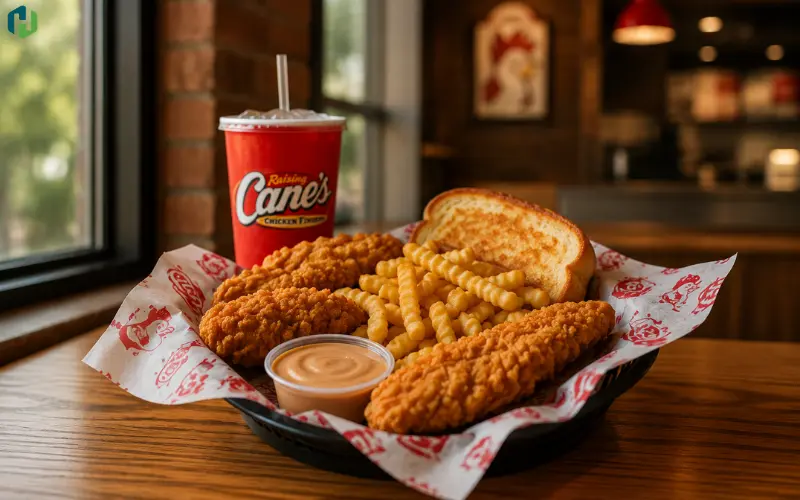
Chicken fingers are the signature item at Raising Cane’s. The restaurant is famous for crispy fried chicken strips served with fries and sauce.
Because chicken is the core product, sourcing becomes extremely important for halal-conscious consumers. Most standard Cane’s chicken in the US is not considered halal-certified.
Another issue is preparation. The chicken is breaded and fried in shared kitchen equipment, which may not meet strict halal handling standards.
For many Muslim consumers, the lack of certification makes the chicken difficult to consider halal.
Chicken Table
| Chicken Item | Halal Confidence | Notes |
| Chicken Fingers | Low | Usually not halal |
| Sandwiches | Low | Same chicken |
| Kids Meals | Low | Verify |
| Combo Meals | Low | Shared preparation |
| International Halal Locations | Higher | Depends |
Fries and Side Dishes
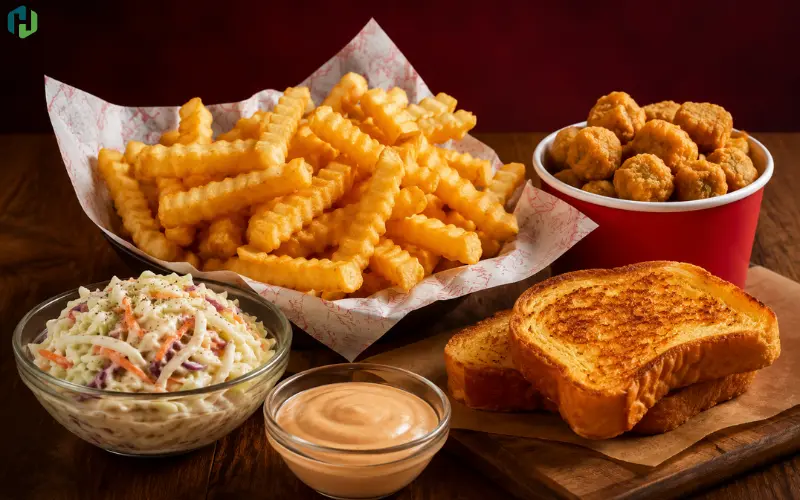
Fries are often viewed as one of the safer options at Cane’s because potatoes themselves are halal. However, preparation methods still matter.
Shared fryers can create concerns if fries are cooked alongside non-halal chicken products. Some consumers are comfortable with this, while others prefer fully separate fryers.
Texas toast and coleslaw are also generally viewed as safer menu items, though butter, flavoring, and preparation methods may still require checking.
Compared to chicken items, side dishes usually create fewer halal concerns overall.
Sauces and Hidden Ingredients
Cane’s sauce is one of the restaurant’s most famous menu items. However, sauces can sometimes contain hidden ingredients that halal-conscious consumers prefer to verify.
Flavorings, preservatives, and vinegar-based ingredients may create questions depending on personal standards. While many sauce ingredients are generally considered acceptable, some customers still prefer confirmation from the restaurant.
Breaded chicken products can also contain seasoning blends and additives that require checking.
This is why sauces and marinades are important parts of halal discussions.
Sauce
| Sauce | Halal Concern |
| Cane’s Sauce | Depends |
| Ketchup | Usually safe |
| Hot Sauce | Usually safe |
| Honey Mustard | Verify |
| BBQ Sauce | Depends |
Cross-Contamination Concerns
Cross-contamination is another major issue at fast-food restaurants like Cane’s. Shared fryers, cooking surfaces, utensils, and preparation areas may all be used for multiple products.
Since the restaurant mainly focuses on chicken, nearly all kitchen equipment is used for poultry preparation.
For some consumers, cross-contamination matters less if the meat itself is halal. For stricter consumers, separate preparation systems are important.
Understanding personal comfort levels helps determine whether the restaurant feels acceptable.
Cane’s in Different Countries
Raising Cane’s operates in multiple countries, and halal practices can vary depending on the region. In Muslim-majority areas or places with strong halal demand, some locations may use halal-certified chicken suppliers.
This difference creates confusion because consumers often see halal Cane’s discussions online and assume every branch follows the same standards.
International branches may have different suppliers, certifications, and preparation systems compared to US locations.
Checking local information is always the best approach.
International Locations
| Region | Halal Possibility |
| United States | Usually not halal |
| Middle East | More likely |
| Muslim-Majority Countries | Possible |
| Europe | Depends |
| Asia | Varies |
Why Cane’s Remains Popular
Even with halal concerns, Cane’s remains popular because of its simple menu, crispy chicken, and consistent quality. Many customers enjoy the fresh taste and fast service.
The chain also benefits from strong branding and loyal customers who appreciate the focused menu concept.
For halal-conscious diners, however, the lack of widespread halal certification remains an important issue.
Best Halal-Friendly Choices at Cane’s
If you decide to visit Cane’s and want safer choices, simpler side dishes are generally better options.
These may include:
- fries
- coleslaw
- toast
- drinks
However, even these items may require checking depending on your halal standards.
Best Choice
| Category | Better Choice |
| Side Dish | Fries |
| Bread Item | Texas toast |
| Salad Option | Coleslaw |
| Drink | Soft drinks |
| Sauce | Ketchup |
Halal Alternatives to Cane’s
Many halal-certified fried chicken restaurants now exist in different countries and cities. Local halal restaurants often provide similar meals without the uncertainty associated with large fast-food chains.
Halal chicken tenders, wings, sandwiches, and fries are widely available in many Muslim communities.
Choosing certified halal restaurants can simplify dining decisions significantly.
Alternative
| Alternative | Benefit |
| Halal Fried Chicken Shops | Certified meat |
| Local Halal Restaurants | Trusted sourcing |
| Homemade Chicken | Full control |
| Halal Fast Food Chains | Easier verification |
| Certified Suppliers | Better confidence |
Common Mistakes People Make
One common mistake is assuming all chicken restaurants use halal meat.
Another mistake is believing international halal locations mean every branch is halal.
Some consumers also ignore sauces and preparation methods entirely.
The safest approach is always verifying the specific location and supplier.
What to Ask Before Ordering
Before ordering at Cane’s, ask:
- Is the chicken halal-certified?
- Are fryers shared?
- Do sauces contain questionable ingredients?
- Does this location use halal suppliers?
These questions help reduce uncertainty.
We hope you guys find this guide helpful. If you like this one, here we have more for you:
FAQs
Is Cane’s halal?
Most Raising Cane’s locations are not halal-certified, especially in the US.
Does Raising Cane’s use halal chicken?
Some international branches may use halal suppliers, but most regular locations do not advertise halal chicken.
Are Cane’s fries halal?
Fries are generally considered safer, though shared fryers may still concern some consumers.
Is Cane’s sauce halal?
The sauce may be halal-friendly, but ingredients and preparation methods can vary.
Are all Cane’s locations the same?
No, suppliers and halal practices can differ between countries and regions.
Can Muslims eat at Cane’s?
This depends on personal halal standards and whether the local branch offers halal-certified products.
Does Cane’s have halal-certified branches?
Some international locations may use halal-certified chicken suppliers.
What is the safest option at Cane’s?
Side dishes like fries, coleslaw, and toast are generally safer than chicken meals.
Conclusion
Is Cane’s halal? In most regular locations, especially in the US, Raising Cane’s is not considered fully halal because the chicken is generally not halal-certified. However, some international branches may use halal suppliers depending on local demand and regulations.
For halal-conscious consumers, the safest approach is verifying the specific location, asking about suppliers, and choosing certified halal alternatives whenever uncertainty exists.