
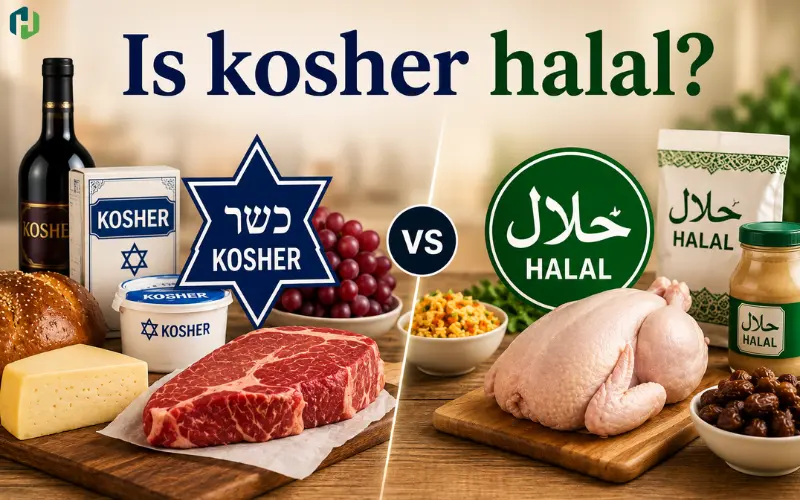
Is kosher halal? Kosher and halal share many similarities because both follow religious dietary laws, but kosher food is not automatically halal. Some kosher foods may be acceptable for Muslims, while others may not meet halal requirements due to differences in slaughter methods, ingredients, and preparation rules. Because of this, the halal status of kosher food depends on the specific product and how it is prepared.
Both halal and kosher systems focus on clean, lawful food and place strong emphasis on ethical preparation. This similarity often confuses, especially in countries where halal products are limited but kosher food is easier to find. This guide explains everything clearly, including the differences between halal and kosher rules, meat preparation, certification, ingredients, and whether Muslims can eat kosher food.
Quick Overview Table
| Category | Kosher Status | Halal Status |
| Kosher Meat | Depends | Verify |
| Kosher Dairy | Usually halal | Check additives |
| Kosher Snacks | Depends | Verify ingredients |
| Kosher Seafood | Usually halal | Safer |
| Kosher Certified Food | Not automatically halal | Check details |
Related Post: Is Rennet Halal?
What Does Kosher Mean?
Kosher refers to food that follows Jewish dietary laws. These rules are based on religious teachings and determine which foods are permitted and how they must be prepared. Kosher laws cover meat, dairy, seafood, slaughter methods, and food handling practices.
Foods that meet kosher standards are usually certified by a kosher authority. This certification helps Jewish consumers identify products that follow kosher requirements.
Kosher rules are detailed and involve strict preparation guidelines. Certain animals are prohibited, meat and dairy cannot be mixed, and slaughter procedures must follow specific religious standards.
Because kosher food already follows religious dietary restrictions, many Muslims wonder whether it can also be considered halal.
Why People Ask if Kosher Is Halal
People often ask if kosher food is halal because both systems share many similarities. Both halal and kosher prohibit pork, require religious slaughter, and emphasize cleanliness and ethical food preparation.
Another reason is availability. In some areas, halal food may be difficult to find while kosher-certified products are more common. This leads Muslims to consider kosher products as possible alternatives.
Social media and online discussions also create confusion. Some people say all kosher food is halal, while others reject kosher products completely. In reality, the answer is more nuanced.
The halal status of kosher food depends on the specific ingredients, slaughter process, and preparation methods rather than the kosher label alone.
Halal vs Kosher
| Feature | Halal | Kosher |
| Pork Allowed | No | No |
| Religious Slaughter | Yes | Yes |
| Alcohol Allowed | No | Limited use possible |
| Meat & Dairy Mixing | Allowed | Not allowed |
| Certification | Halal authority | Kosher authority |
Similarities Between Halal and Kosher
Halal and kosher share several important principles. Both systems prohibit pork and require food to be prepared according to religious guidelines. Both also emphasize cleanliness and ethical treatment of animals.
Religious slaughter is another major similarity. In both halal and kosher traditions, animals are slaughtered using specific methods intended to minimize suffering and ensure the meat is permissible.
Another similarity is certification. Halal and kosher consumers both rely heavily on trusted certification systems to verify products.
Because of these shared principles, many kosher products may appear halal-friendly at first glance.
Major Differences Between Halal and Kosher
Despite similarities, halal and kosher are not identical systems. One major difference involves alcohol. Halal rules strictly prohibit alcohol, while kosher certification may allow certain alcohol-based ingredients depending on the product.
Another difference is seafood. In halal dietary law, most seafood is generally acceptable. Kosher law, however, only permits fish with fins and scales, meaning shellfish are not kosher.
Meat and dairy mixing is also different. Kosher rules prohibit mixing meat and dairy together, while halal rules allow it.
These differences are important because a kosher-certified product may still contain ingredients or preparation methods that are not considered halal.
Difference
| Topic | Halal Rule | Kosher Rule |
| Alcohol | Prohibited | Some allowed |
| Shellfish | Usually halal | Not kosher |
| Meat & Dairy | Allowed together | Separated |
| Gelatin | Depends | Depends |
| Enzymes | Verify | Verify |
Is Kosher Meat Halal?
Kosher meat is one of the most debated topics among halal-conscious consumers. Since kosher slaughter involves religious methods, some Muslims consider kosher meat permissible under certain conditions.
However, others believe kosher slaughter does not fully meet halal requirements because Islamic slaughter includes specific religious elements and invocation practices.
Another issue is certification and handling. Even if the slaughter method is similar, ingredients, processing, or cross-contamination may still create halal concerns.
Because opinions vary, Muslims often follow personal or scholarly guidance regarding kosher meat.
Kosher Slaughter vs Halal Slaughter
Both kosher and halal slaughter involve cutting the throat to drain blood from the animal. Both traditions also emphasize humane treatment during slaughter.
However, halal slaughter specifically requires the name of Allah to be mentioned during the process. Kosher slaughter follows Jewish religious practices instead.
Some Muslims believe this difference is acceptable, while others prefer only meat slaughtered specifically according to Islamic guidelines.
This is why kosher meat remains a debated issue within halal discussions.
Meat Comparison
| Meat Type | Halal Confidence | Notes |
| Halal Meat | High | Islamic slaughter |
| Kosher Meat | Depends | Scholarly difference |
| Pork | Haram | Not allowed |
| Seafood | Usually halal | Easier option |
| Vegetarian Food | Safer | Less concern |
Kosher Dairy Products
Kosher dairy products are often considered easier for Muslims to consume compared to kosher meat. Milk, cheese, yogurt, and butter may appear halal-friendly because they avoid slaughter concerns.
However, additives still matter. Cheese may contain animal rennet, flavorings may involve alcohol, and gelatin-based ingredients may not be halal.
Kosher certification alone does not guarantee these ingredients meet halal standards. This is why ingredient labels still need careful checking.
For many Muslims, kosher dairy products are acceptable if no haram ingredients are present.
Kosher Snacks and Processed Foods
Kosher snacks can include chips, chocolates, candies, frozen foods, and baked goods. While kosher certification ensures compliance with Jewish dietary law, it does not automatically mean the product is halal.
Some kosher snacks may contain alcohol-based flavorings, gelatin, or other additives that require verification.
Processed foods are especially important to check because they involve many ingredients and manufacturing steps.
This is why halal-conscious consumers should not rely only on kosher labels without reading ingredient details.
Snack
| Product | Halal Concern |
| Chips | Usually safe |
| Chocolate | Check additives |
| Candy | Gelatin concern |
| Frozen Foods | Verify |
| Baked Goods | Depends |
Seafood in Kosher and Halal Rules
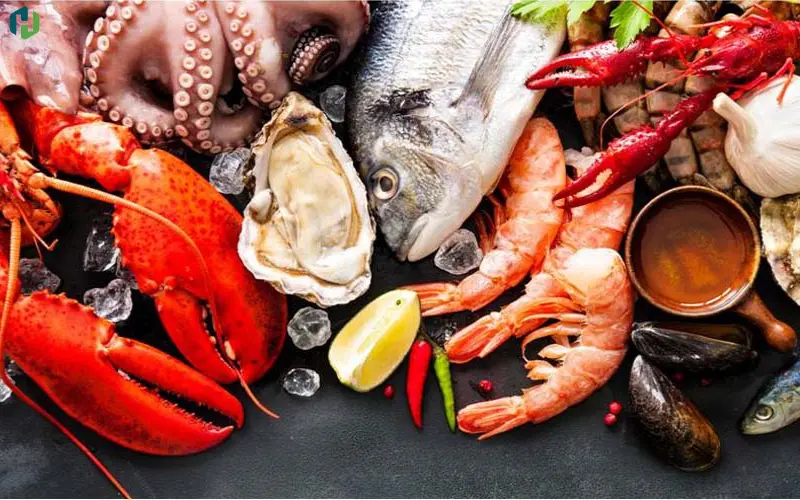
Seafood creates an interesting difference between halal and kosher dietary laws. Most halal interpretations allow a wide range of seafood, including shrimp and shellfish.
Kosher rules are stricter and only permit fish with fins and scales. This means shellfish like lobster, shrimp, and crab are not kosher even though many Muslims consider them halal.
Because of this difference, halal food may include items that kosher diets reject.
This example shows why kosher and halal cannot be treated as identical systems.
Vegetarian and Vegan Kosher Foods
Vegetarian and vegan kosher foods are usually among the safest options for halal-conscious consumers because they avoid meat slaughter concerns entirely.
However, additives still matter. Flavorings, enzymes, and alcohol-based ingredients may still appear in processed vegetarian products.
Despite this, vegetarian kosher foods are often viewed as lower-risk compared to meat-based kosher products.
Certification and Labeling
Kosher certification is usually displayed with a recognizable symbol on the packaging. This helps Jewish consumers identify approved products quickly.
Halal consumers may also use these labels as a starting point, but they still need to check ingredients carefully because kosher certification is not the same as halal certification.
Halal-certified products remain the clearest and safest option for Muslims who want certainty.
Certification
| Certification | Purpose |
| Halal | Islamic dietary rules |
| Kosher | Jewish dietary rules |
| Vegetarian | No meat |
| Vegan | No animal products |
| Organic | Farming standards |
Can Muslims Eat Kosher Food?
Whether Muslims can eat kosher food depends on personal beliefs, scholarly guidance, and the specific product involved.
Some Muslims accept kosher meat and kosher-certified foods because they come from another Abrahamic religious tradition with religious slaughter practices.
Others prefer only halal-certified food because they believe halal requirements are distinct and should not be replaced with kosher certification.
Many Muslims take a middle approach by accepting simple kosher foods while avoiding uncertain meat products.
Best Halal-Friendly Kosher Choices
If you want safer kosher products, the best choices often include:
- vegetarian kosher foods
- seafood products
- simple snacks
- dairy products with clear ingredients
- non-meat packaged foods
These options reduce uncertainty significantly.
Best Choice
| Category | Better Choice |
| Snacks | Plain products |
| Dairy | Simple ingredients |
| Seafood | Fish |
| Vegetarian Meals | Safer |
| Drinks | Non-alcoholic |
Common Mistakes People Make
One common mistake is assuming all kosher food is halal.
Another mistake is ignoring additives and focusing only on certification labels.
Some people also assume kosher meat is automatically acceptable without checking personal religious guidance.
The safest approach is always reading ingredients carefully.
What to Check Before Buying
Before buying kosher products, check for:
- alcohol-based flavorings
- gelatin
- rennet
- certification details
- ingredient list
These details help avoid confusion.
We hope you guys find this guide helpful. If you like this one, here we have more for you:
FAQs
Is kosher food halal?
Kosher food is not automatically halal because halal and kosher rules are different.
Can Muslims eat kosher meat?
Some Muslims accept kosher meat, while others prefer only halal-certified meat.
Is kosher slaughter the same as halal slaughter?
Both are religious slaughter methods, but they follow different religious requirements.
Are kosher snacks halal?
Some kosher snacks may be halal-friendly, but ingredients still need checking.
Is kosher cheese halal?
Kosher cheese may still contain ingredients like animal rennet that require verification.
Does kosher food contain alcohol?
Some kosher products may include alcohol-based ingredients, which can affect halal status.
Are vegetarian kosher foods safer?
Yes, vegetarian kosher foods are usually safer because they avoid meat concerns.
What is the safest option for Muslims?
Halal-certified food is generally the safest and clearest choice.
Conclusion
Is kosher halal? The answer depends on the specific product, ingredients, and personal religious interpretation. While halal and kosher share many similarities, kosher certification does not automatically make a product halal.
For halal-conscious consumers, the safest approach is checking ingredients carefully, understanding the differences between the two systems, and choosing halal-certified products whenever possible.