
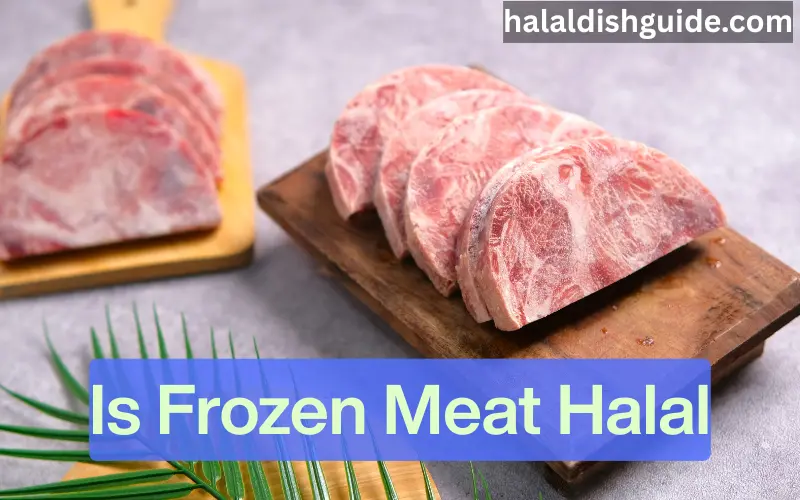
Is Frozen Meat Halal? This is a question that comes up very often, especially in today’s global food market where frozen meat is available almost everywhere from supermarkets to online stores.
People are usually confused because frozen meat is not something new in terms of religion or dietary rules. Instead, the confusion comes from modern processing methods, international supply chains, and lack of clear visibility about how the meat is handled before it reaches the customer.
Frozen meat has become extremely popular due to convenience, long shelf life, and affordability. It allows consumers to store food for weeks or even months without spoilage. However, when it comes to dietary concerns, the freezing process itself is not the main issue. The real focus is on how the meat was sourced, slaughtered, processed, and stored before freezing.
In this detailed guide, we will break everything down step by step in a simple and modern way so you can clearly understand the topic without confusion.
Halal Frozen Meat Status Table
| Category | Status | Explanation |
| Freezing Process | ✅ Allowed | Only preserves meat, does not change status |
| Animal Source | ⚠️ Depends | Must be from permissible animals only |
| Slaughter Method | ⚠️ Critical | Proper slaughter required for halal status |
| Processing Stage | ⚠️ Risk Area | Depends on factory hygiene and handling |
| Cross Contamination | ⚠️ Possible Risk | Mixing with non-halal meat can affect status |
| Certification | ✅ Recommended | Provides clear verification and trust |
| Imported Meat | ⚠️ Varies | Depends on country rules and standards |
| Overall Verdict | ⚠️ Depends | Based on sourcing, processing, and certification |
What is Frozen Meat?
Frozen meat is fresh meat that is preserved by lowering its temperature to below freezing point, usually around -18°C or lower. This process slows down bacterial growth and prevents spoilage.
It is widely used in supermarkets, restaurants, hotels, and food supply chains because it is easy to transport and store for long periods.
Frozen meat can include chicken, beef, lamb, goat, and other common meat types. It is usually cut, cleaned, packaged, and then frozen immediately after processing.
The freezing process does not change the identity of the meat. It only preserves it in its existing state at the time of freezing.
Why Frozen Meat is So Common Today
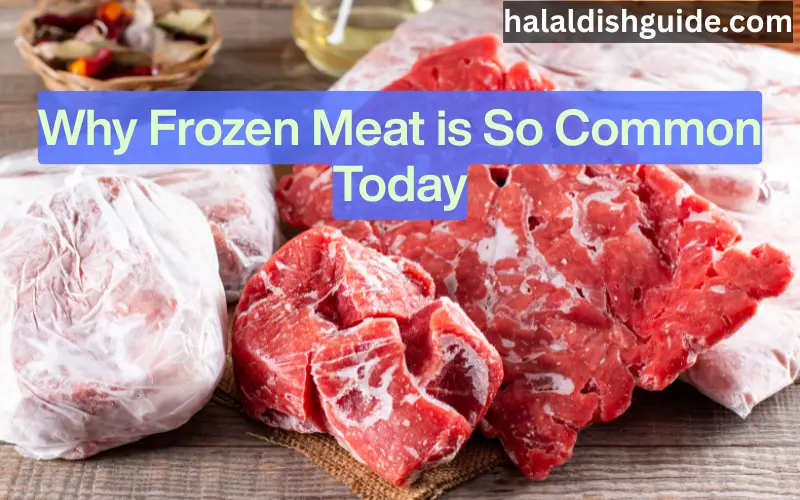
In the modern food industry, frozen meat plays a very important role. One of the biggest reasons is global supply demand.
Countries import and export meat across continents, and freezing makes long-distance transportation possible without spoilage.
Another reason is convenience. Consumers prefer buying meat in bulk and storing it at home for longer use.
Restaurants and fast food chains also rely heavily on frozen meat because it reduces waste and ensures consistent supply.
Does Freezing Affect Halal Status?
Freezing itself does not affect whether meat is halal or not. It is only a preservation method, not a religious or ethical process.
If the meat was halal before freezing, it remains halal after freezing. If the meat was not halal before freezing, freezing does not change its status.
This is one of the most important points to understand because many people mistakenly assume freezing changes the nature of the meat.
The actual concern always remains the same: how the animal was sourced and slaughtered before it was frozen.
Main Factors That Decide Halal Frozen Meat
There are several important factors that determine whether frozen meat is halal or not. These factors are related to sourcing, processing, handling, and certification.
Even if the packaging looks clean and professional, the real decision depends on what happened before freezing.
Let’s break down each factor in detail.
1. Source of the Animal
The first and most basic requirement is the type of animal used.
Animals like chicken, beef, lamb, goat, and fish are generally considered permissible categories.
However, pork and its derivatives are strictly not allowed under any circumstances, regardless of how they are processed or frozen.
So before anything else, the origin of the meat must be clearly identified.
2. Slaughter Method
The slaughter method plays a very important role in determining whether meat is acceptable.
The animal must be slaughtered in a proper way before it is processed or frozen.
If the slaughter method is incorrect or unclear, the meat is not considered acceptable even if it is frozen and packaged later.
This is why many countries require strict certification for meat processing plants.
3. Industrial Processing Stage
Before freezing, meat usually goes through multiple processing stages such as cutting, cleaning, trimming, and packaging.
During these stages, the meat may be handled in large industrial facilities where different types of meat are processed.
If proper separation is not maintained, there is a risk of contamination.
This is why hygiene and production standards are extremely important in the meat industry.
4. Cross-Contamination Concerns
Cross-contamination occurs when halal and non-halal products come into contact during processing or storage.
This can happen in factories that handle multiple meat types.
Even if the original meat was acceptable, contamination during processing can raise concerns.
To prevent this, modern facilities use strict separation systems and cleaning protocols.
5. Packaging Process
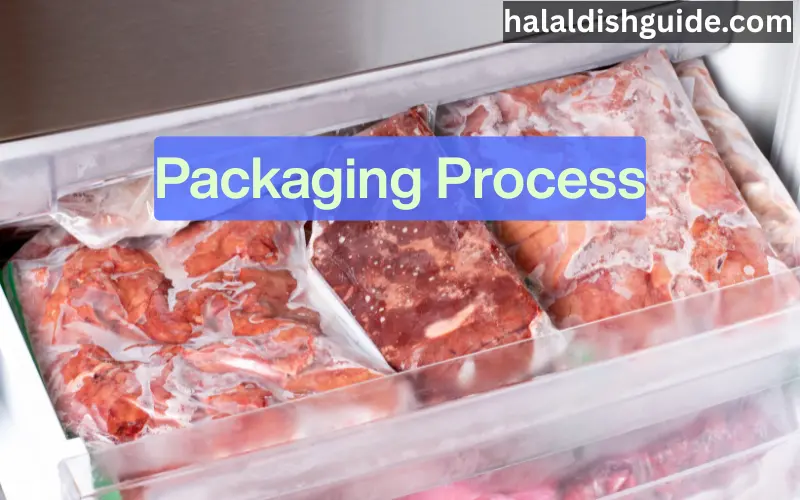
Packaging is done to preserve freshness and prevent contamination during transportation.
Vacuum sealing and airtight packaging are commonly used in frozen meat products.
However, packaging alone does not determine whether meat is acceptable or not.
It only protects the meat after it has already been processed.
6. Storage Temperature and Conditions
Frozen meat must be stored at very low temperatures, usually -18°C or below.
This prevents bacterial growth and keeps the meat safe for consumption.
Storage does not change permissibility, but it affects quality.
If storage conditions are poor, the meat may lose texture, flavor, or freshness.
7. Transportation and Supply Chain
Frozen meat is often transported across countries and continents.
During transportation, temperature control is extremely important to maintain quality.
If the cold chain is broken, the meat may spoil even if it was originally good quality.
However, this is a safety issue, not a permissibility issue.
8. Halal Certification Importance
Halal certification is one of the most reliable ways to verify frozen meat.
Certified products are checked at multiple levels including sourcing, slaughter, processing, and packaging.
However, not all frozen meat products are certified, especially in international markets.
This creates confusion among consumers who rely on clear labeling.
9. Imported Frozen Meat Complexity
Many frozen meat products are imported from different countries around the world.
Each country may have different regulations and standards for meat processing.
This makes it difficult for consumers to verify every step of production.
Because of this, certification becomes even more important in imported products.
10. Supermarket vs Local Butcher Meat
Frozen meat from supermarkets is usually standardized, labeled, and packaged professionally.
Local butcher meat may be fresher but sometimes lacks detailed certification information.
Both can be acceptable depending on sourcing and handling.
However, supermarkets often provide more transparency.
Why People Get Confused About Frozen Meat
One of the main reasons for confusion is lack of visibility in the supply chain.
Consumers usually see only the final packaged product, not the entire process behind it.
Because of this, many people assume freezing changes or improves meat status, which is not correct.
The confusion increases when products come from different countries with different labeling systems.
Health Perspective of Frozen Meat
Frozen meat is generally safe when handled properly.
It retains most of its nutrients and is widely used around the world.
However, repeated freezing and thawing can affect quality and texture.
Proper cooking is also important for safety and taste.
Common Misunderstandings
A common misunderstanding is that frozen meat is less acceptable than fresh meat.
In reality, freezing is just a preservation method and does not change the nature of the meat.
Another misconception is that all imported frozen meat is questionable, which is not always true.
Many imported products are fully certified and safe.
What Experts Generally Explain
Experts agree that freezing has no effect on permissibility.
The key focus is always on sourcing, slaughter method, and processing.
If these conditions are met, frozen meat is generally considered acceptable.
However, lack of transparency in some products requires caution.
Should You Eat Frozen Meat?
Frozen meat can be consumed without concern if it is properly sourced and certified.
If there is no clear information, it is better to verify before buying.
The decision ultimately depends on personal preference and level of caution.
Some people prefer only certified products, while others rely on ingredient transparency.
Practical Buying Tips
Always check packaging labels carefully before purchasing frozen meat.
Look for certification marks from trusted authorities.
Avoid products with unclear origin or missing details.
Choose reputable brands whenever possible.
We hope you guys find this guide helpful. If you like this one, here we have more for you:
- Is Dominos Pizza Halal? Full Worldwide Guide
- Is Prime Drink Halal or Haram? Clear Answer with Full Guide
- Is Chipotle Halal in the USA & UK? Complete Guide
FAQs
Is frozen meat halal or not?
Frozen meat is not automatically halal or non-halal. Its status depends on sourcing and slaughter methods before freezing.
Does freezing change meat status?
No, freezing only preserves meat and does not change its permissibility.
Can halal meat be frozen safely?
Yes, halal meat can be frozen without any issue if it was properly sourced.
Is imported frozen meat reliable?
It depends on certification and country standards. Always check labeling.
Is supermarket frozen meat safe?
Yes, if it comes from trusted and certified suppliers.
Does frozen meat lose quality?
It may lose some texture over time, but safety is maintained if stored properly.
What is cross-contamination in meat?
It is when halal and non-halal products mix during processing or storage.
Should frozen meat be avoided completely?
No, it can be consumed safely if sourcing and certification are clear.
Conclusion
Frozen meat itself is not the deciding factor in whether it is acceptable or not.
The important aspect is how the meat was sourced, processed, and handled before freezing.
If proper standards and certification are followed, frozen meat is generally fine for consumption.
However, due to global supply variations, some people prefer certified products for complete confidence.