
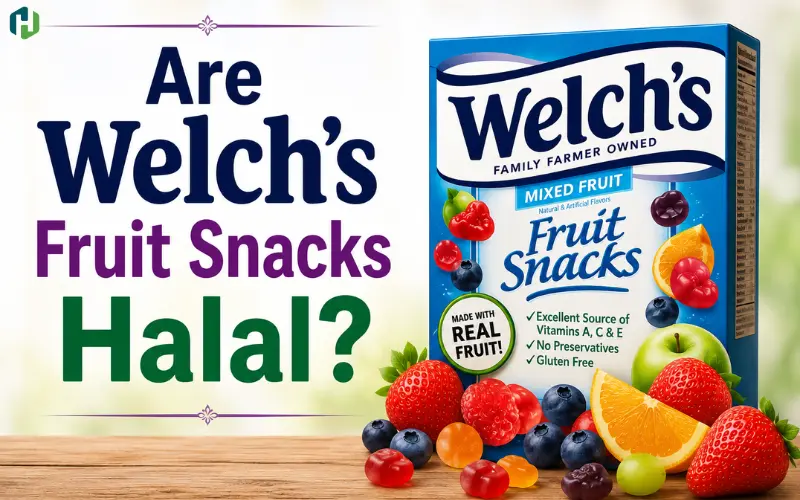
Are Welch’s Fruit Snacks halal? Welch’s Fruit Snacks are not universally considered halal because some varieties may contain ingredients that raise concerns for halal-conscious consumers. Ingredients such as gelatin, flavorings, coloring agents, and processing methods can affect whether the product is considered halal. Because formulas may vary by product and region, the halal status of Welch’s Fruit Snacks depends on the exact ingredients used and the standards followed by the consumer.
Welch’s Fruit Snacks are extremely popular among children and adults because of their fruity flavors and chewy texture. Many people view them as a lighter alternative to candy, but fruit snacks are still processed products that can contain ingredients requiring halal verification. This guide explains everything clearly, including gelatin concerns, ingredients, additives, certification, regional differences, and safer halal-friendly alternatives.
Quick Overview Table
| Category | Halal Status | Best Advice |
| Standard Welch’s Fruit Snacks | Depends | Check ingredients |
| Gelatin Content | Main concern | Verify source |
| Artificial Flavorings | Depends | Verify |
| Coloring Agents | Usually acceptable | Check region |
| Halal-Certified Snacks | Safer | Better option |
What Are Welch’s Fruit Snacks?
Welch’s Fruit Snacks are chewy fruit-flavored snacks made with fruit puree, sugar, flavorings, and texture-enhancing ingredients. They are marketed as fruity snacks and are especially popular in lunchboxes, convenience stores, and supermarkets.
The brand offers many varieties, including mixed fruit flavors, tropical blends, berry-themed snacks, and reduced-sugar versions. Their soft chewy texture makes them similar to gummy candy, which is why ingredient discussions often focus on gelatin and additives.
Although the word “fruit” appears prominently in the branding, these snacks are still processed foods with multiple ingredients. Because processed snack products often contain hidden additives, halal-conscious consumers frequently research whether they are suitable to eat.
Related Post: Is Cane’s Halal?
Why People Ask if Welch’s Fruit Snacks Are Halal
One major reason people ask whether Welch’s Fruit Snacks are halal is that chewy snacks commonly contain gelatin or similar ingredients used to create texture.
Another reason is the growing popularity of halal-conscious snacking. Parents especially want to know whether lunchbox snacks and packaged treats are suitable for Muslim children.
Online discussions also create confusion because ingredient lists can change over time. Some consumers say certain Welch’s products are halal-friendly, while others point to ingredients they consider questionable.
Regional differences in formulas add even more uncertainty. Products sold in one country may not match those sold elsewhere.
Ingredient Concern
| Ingredient | Concern Level | Notes |
| Gelatin | High | Verify source |
| Flavorings | Moderate | Depends |
| Coloring | Low to moderate | Check additives |
| Sugar | Usually safe | Processing may vary |
| Fruit Puree | Low | Generally acceptable |
Do Welch’s Fruit Snacks Contain Gelatin?
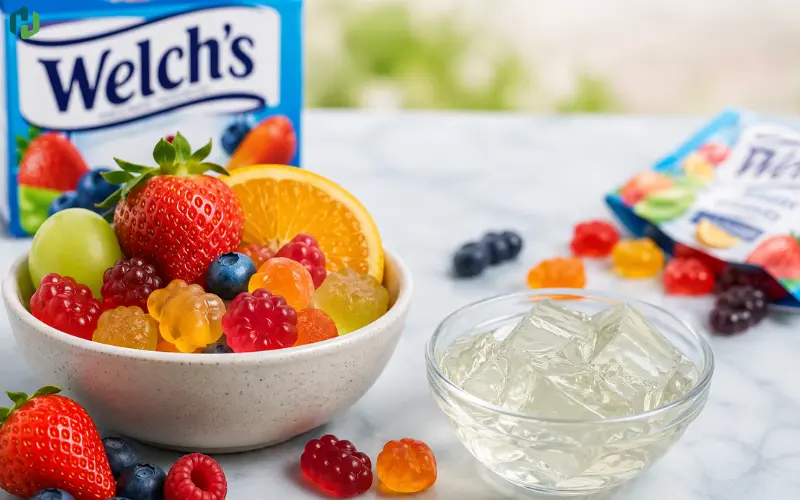
Gelatin is one of the biggest topics in halal snack discussions because it is commonly used in chewy candies and fruit snacks. Gelatin helps create the soft, chewy consistency many consumers enjoy.
The halal status of gelatin depends entirely on its source. Gelatin may come from beef, pork, fish, or plant alternatives. If the source is halal-certified beef or fish, many Muslims consider it acceptable.
However, pork-derived gelatin would not be considered halal. Products with unclear gelatin sources also create uncertainty for many consumers.
This is why halal-conscious shoppers often look specifically for halal certification or vegetarian alternatives.
Gelatin Source
| Gelatin Source | Halal Status |
| Pork Gelatin | Haram |
| Halal Beef Gelatin | Halal |
| Fish Gelatin | Usually halal |
| Plant-Based Alternative | Halal-friendly |
| Unknown Source | Avoid if unsure |
Texture Ingredients and Chewy Snacks
Fruit snacks rely heavily on texture-enhancing ingredients. These may include gelatin, pectin, starches, or gums.
Pectin-based snacks are often preferred by halal-conscious consumers because pectin comes from fruits rather than animals. However, some chewy products combine pectin with other ingredients that still require verification.
The exact formula can differ between snack varieties, which is why one product may be more suitable than another.
Consumers who want maximum certainty usually prefer products that clearly state they are vegetarian, vegan, or halal-certified.
Artificial Flavorings and Additives
Flavorings are another important concern in processed snack products. Fruit snacks often contain both natural and artificial flavorings to create strong fruity tastes.
Some flavorings may involve alcohol-based extraction methods during manufacturing. Others may contain hidden carrier ingredients that consumers do not immediately recognize.
Although many additives are generally considered acceptable by halal-conscious consumers, stricter individuals prefer verified or certified products.
Processed snacks contain many small ingredients, which is why ingredient transparency matters so much.
Flavoring
| Flavoring Type | Concern Level |
| Natural Flavor | Depends |
| Artificial Flavor | Moderate |
| Fruit Flavoring | Usually lower |
| Alcohol-Based Extraction | Higher concern |
| Unknown Additives | Verify |
Food Coloring Concerns
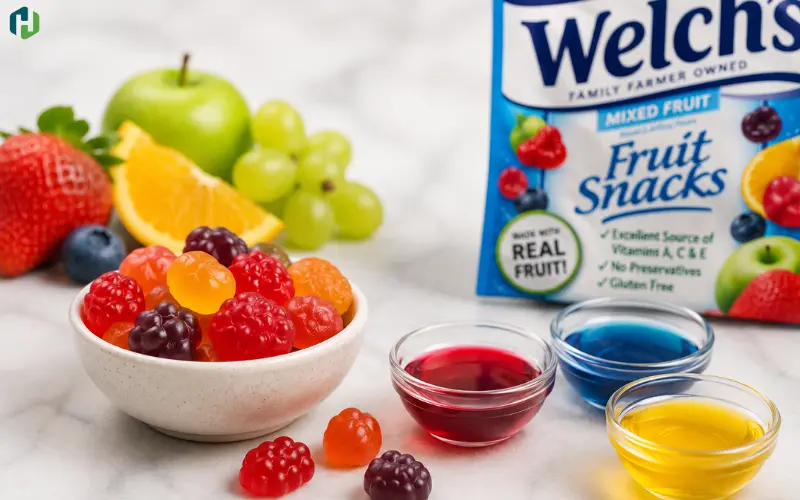
Welch’s Fruit Snacks use colorful dyes to create their bright fruity appearance. Food coloring is another ingredient category often discussed in halal food conversations.
Most modern food dyes are synthetic and generally considered acceptable by many consumers. However, some people still prefer checking whether additives involve animal-derived ingredients or controversial testing practices.
Natural coloring agents are usually viewed as safer choices.
Although food coloring is typically a smaller concern than gelatin, it still contributes to overall uncertainty for some consumers.
Coloring
| Coloring Type | Halal Concern |
| Artificial Dyes | Usually low |
| Natural Coloring | Lower |
| Carmine | Higher concern |
| Fruit-Based Coloring | Safer |
| Regional Variations | Depends |
Sugar and Processing Questions
Sugar itself is generally considered halal, but some consumers discuss how refined sugar is processed. Certain filtration methods may involve bone char processing in some regions.
This issue is debated, and many consumers focus more on gelatin and additives instead. However, stricter halal-conscious shoppers sometimes prefer certified products to avoid uncertainty entirely.
Since fruit snacks are heavily sugar-based products, this discussion occasionally appears in halal conversations.
Regional Differences in Welch’s Products
Welch’s Fruit Snacks may vary depending on the country where they are sold. Ingredients can change because of local regulations, manufacturing facilities, or consumer preferences.
A formula sold in the US may not exactly match the same product sold in Canada, Europe, or other regions.
Consumers who rely only on online ingredient lists may accidentally view outdated or region-specific information.
Checking the local packaging directly is always the safest approach.
Country Comparison
| Region | Formula Differences |
| United States | Standard version |
| Canada | Possible changes |
| Europe | Different additives |
| UK | May vary |
| Middle East | Sometimes halal-focused |
Why Fruit Snacks Create Halal Confusion
Many people assume fruit snacks are simple because they contain fruit flavors and bright packaging. However, processed snacks can involve many hidden ingredients and manufacturing steps.
Technical ingredient names often confuse consumers who do not recognize stabilizers, glazing agents, or texture enhancers.
Another reason for confusion is inconsistent labeling. Some brands clearly identify gelatin sources, while others do not.
Because fruit snacks look harmless and child-friendly, many consumers are surprised to learn they may require halal verification.
Halal Certification and Fruit Snacks
Halal certification is one of the easiest ways to remove uncertainty when buying chewy snacks and gummies. Certified products are reviewed for ingredient sourcing and manufacturing standards.
Many halal-certified fruit snacks use halal beef gelatin, fish gelatin, or plant-based texture ingredients.
Certification also provides reassurance regarding flavorings and additives.
As halal snack markets continue growing worldwide, more certified snack options are becoming available.
Best Halal-Friendly Snack Choices
If you want safer snack options, look for:
- halal-certified gummies
- vegan fruit snacks
- vegetarian chewy candy
- pectin-based snacks
- plant-based gummies
These choices usually reduce uncertainty significantly.
Best Choice
| Snack Type | Better Choice |
| Gummies | Halal-certified |
| Fruit Snacks | Pectin-based |
| Candy | Vegan |
| Marshmallows | Halal-certified |
| Chewy Snacks | Vegetarian |
Halal Alternatives to Welch’s Fruit Snacks
Many halal-friendly fruit snack brands now exist around the world. These products are designed specifically for halal-conscious consumers and often avoid unclear gelatin sources entirely.
Vegan and vegetarian fruit snacks are also becoming increasingly popular because they rely on plant-based ingredients instead of animal-derived gelatin.
Some halal candy brands even create products with similar chewy textures and fruity flavors to mainstream fruit snacks.
Choosing certified alternatives can make shopping easier and remove uncertainty.
Alternative
| Alternative | Benefit |
| Halal Gummies | Certified |
| Vegan Fruit Snacks | No gelatin |
| Vegetarian Candy | Lower concern |
| Pectin Snacks | Plant-based |
| Local Halal Brands | Trusted sourcing |
Common Mistakes People Make
One common mistake is assuming all fruit snacks are halal because they contain fruit flavors.
Another mistake is ignoring gelatin and additives completely.
Some consumers also assume child-focused snacks automatically avoid questionable ingredients.
The safest approach is always reading labels carefully.
What to Check Before Buying
Before buying fruit snacks, check for:
- gelatin source
- halal certification
- flavoring ingredients
- coloring additives
- vegetarian or vegan labeling
These details help reduce confusion.
We hope you guys find this guide helpful. If you like this one, here we have more for you:
FAQs
Are Welch’s Fruit Snacks halal?
Their halal status depends on the ingredients and whether the product contains halal-friendly gelatin or additives.
Do Welch’s Fruit Snacks contain gelatin?
Some chewy fruit snacks may contain gelatin or texture-enhancing ingredients that require verification.
Is gelatin always haram?
No, gelatin can be halal if it comes from halal-certified sources.
Are artificial flavorings halal?
Some flavorings are acceptable, while others may require ingredient verification.
Are food colorings halal?
Most food colorings are generally considered acceptable, though some consumers still prefer verification.
Are Welch’s Fruit Snacks the same in every country?
No, formulas and ingredients may vary depending on the region.
What is the safest snack option?
Halal-certified or vegan fruit snacks are usually the safest choices.
Can Muslims eat fruit snacks?
Yes, if the ingredients and processing methods meet halal standards.
Conclusion
Are Welch’s Fruit Snacks halal? The answer depends on the exact ingredients, gelatin source, and manufacturing process. Because chewy fruit snacks can contain gelatin and processed additives, many halal-conscious consumers prefer checking labels carefully before eating them.
For greater certainty, halal-certified, vegetarian, or vegan fruit snacks are usually the safest choices. Reading ingredient lists and understanding gelatin sources can help consumers make more confident snack decisions.