
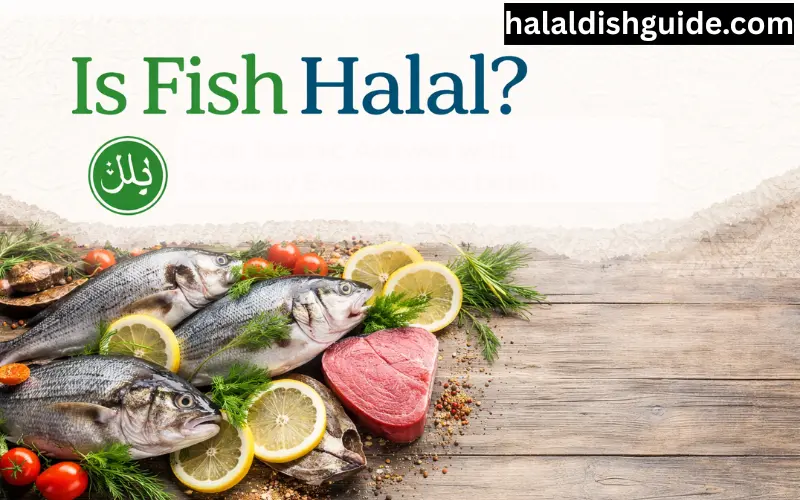
Is Fish Halal? The clear and widely accepted answer is that fish is halal in Islam. This ruling is one of the most well-established and undisputed matters in Islamic dietary law, and it is accepted across all major Islamic schools of thought.
Unlike other types of meat, fish does not require Islamic slaughter (zabiha), which makes it one of the easiest and most accessible halal food options for People, especially in countries like the United Kingdom, where halal meat availability can sometimes be limited.
In modern times, questions have emerged regarding processed fish, farmed seafood, imported products, and cross-contamination in restaurants. This guide provides a detailed explanation, incorporating scholarly opinions and real-world examples relevant to Muslims living in the UK.
Fish Halal Status Overview
| Topic | Ruling | Details |
| General Fish Ruling | ✔ Halal | Universally accepted by scholars |
| Need for Slaughter | ❌ Not Required | Fish does not need zabiha |
| Dead Fish in Water | ✔ Halal | If naturally dead and safe |
| Freshwater Fish | ✔ Halal | Rohu, Tilapia, Trout etc. |
| Saltwater Fish | ✔ Halal | Salmon, Tuna, Cod etc. |
| Exotic Fish | ⚠ Mostly Halal | Minor scholarly differences |
| Farmed Fish | ✔ Halal | If raised properly |
| Frozen Fish | ✔ Halal | Freezing does not affect ruling |
| Processed Fish | ⚠ Check Needed | Ingredients must be verified |
| Restaurant Fish | ⚠ Depends | Oil and cross-contact matter |
What Does Halal Mean in Practical Terms?
In simple terms, halal means something that is permissible and lawful for People to consume. It also includes the concept of being clean, safe, and wholesome.
Scholars explain that food is considered halal when:
- It is not explicitly prohibited
- It is safe and not harmful
- It is free from contamination with non-halal substances
Fish naturally falls into a category that is considered pure and permissible, which is why it holds a unique status compared to other meats.
Why Fish Is Considered Halal by Scholars
Islamic scholars across different schools of thought agree that fish is halal. This consensus is based on long-standing interpretations of Islamic law and practical reasoning.
Fish differs from land animals in several ways:
- It lives entirely in water
- It cannot be slaughtered in the same way as animals
- It is widely consumed across cultures without restriction
Because of these factors, scholars have consistently ruled that fish is permissible without the need for slaughter.
Scholarly Opinions Across Schools of Thought
Hanafi School
The Hanafi school states that all true fish are halal. However, some non-fish sea creatures may have different rulings.
Shafi’i School
This school generally allows all sea creatures, including fish and other aquatic animals.
Maliki School
The Maliki view is broad and considers most seafood permissible.
Hanbali School
The Hanbali school also supports the permissibility of most sea-based animals.
Final Scholarly Consensus
All schools agree that fish itself is halal without any dispute.
Types of Fish and Their Halal Status
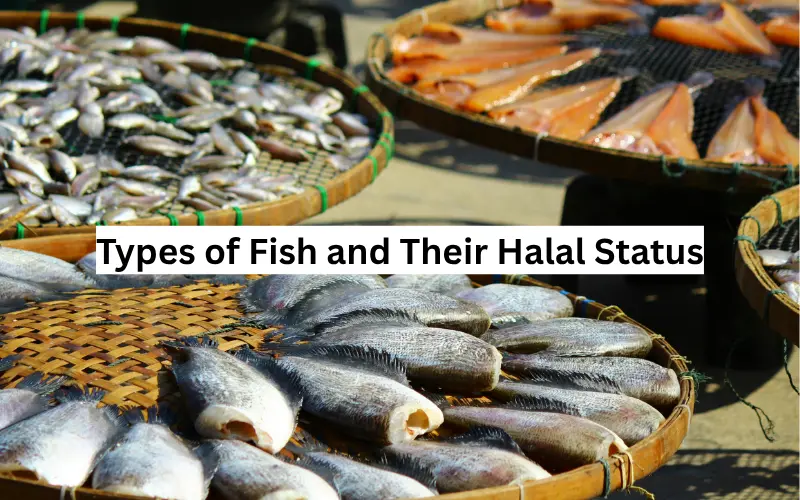
Freshwater Fish
Common examples in the UK include:
- Trout
- Carp
- Tilapia
These are fully halal and widely accepted without any conditions.
Saltwater Fish
Popular UK fish options include:
- Cod
- Haddock
- Salmon
- Tuna
These are also fully halal and commonly consumed by the There People.
Exotic Fish
Some fish types such as eel or shark may raise questions due to their appearance or classification.
Most scholars still consider them halal, but some differences may exist depending on interpretation.
Dead Fish – Is It Halal?
One of the unique rulings about fish is that it does not require slaughter.
This means:
- Fish that die naturally in water are still considered halal
- There is no requirement for zabiha
However, there are conditions:
- The fish should not be spoiled
- It should not be contaminated
- It should not be harmful
In practical terms, fish sold in UK supermarkets is generally safe and permissible.
Fish Farming in the UK (Aquaculture)
In the UK, a large portion of fish comes from fish farms.
Is farmed fish halal?
Yes, farmed fish is considered halal.
However, some conditions are important:
- Clean water environment
- Safe and permissible feed
- No harmful chemicals
Most UK-regulated farms follow strict food safety standards, making farmed fish generally safe for Muslim consumption.
Processed Fish Products in the UK
Modern food processing introduces some complexity.
Fish Fillets
These are usually halal as long as:
- No alcohol-based coating is used
- No non-halal additives are present
Fish Fingers and Nuggets
These require more caution because they may include:
- Flavor enhancers
- Additives
- Possible cross-contamination
Always check ingredient labels in UK supermarkets.
Canned Fish
Common examples:
- Tuna
- Sardines
- Mackerel
These are usually halal if they contain only fish, oil, and salt.
Eating Fish in UK Restaurants
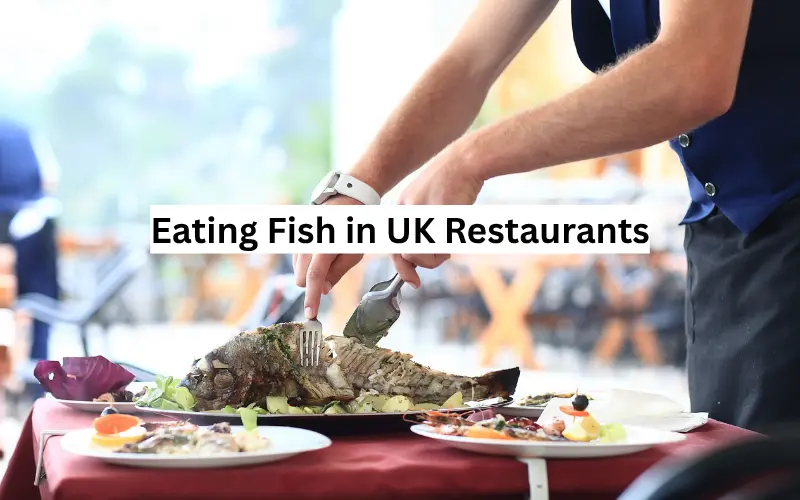
Eating fish outside can be slightly more complicated.
Key concerns:
- Cooking oil (may be shared with non-halal items)
- Cross-contamination with non-halal meat
- Sauces containing alcohol
Practical advice:
- Choose seafood-only restaurants when possible
- Ask about cooking methods
- Avoid mixed grills or shared fryers
Health Benefits of Fish
Fish is not only halal but also highly beneficial for health.
Key benefits:
- Rich in Omega-3 fatty acids
- Supports heart health
- Improves brain function
- High-quality protein source
Because of these benefits, fish is considered both halal and wholesome.
Common Misconceptions About Fish
Fish must be slaughtered
This is incorrect. Fish does not require zabiha.
All seafood is the same as fish
Not necessarily. Some sea creatures have different rulings.
Frozen fish is doubtful
Freezing does not affect its halal status.
Farmed fish is unnatural
Farming does not make fish haram as long as conditions are safe.
Tayyib Concept (Pure and Wholesome Food)
Islam encourages not just halal, but also Tayyib, which means pure and beneficial.
Fish meets this standard because it is:
- Clean
- Nutritious
- Widely accessible
- Safe when properly handled
Is Fish Always Safe to Eat?
Fish is halal, but it must still be safe.
It should be avoided if:
- It is spoiled
- It is contaminated
- It contains harmful substances
UK food safety standards generally ensure the high quality of seafood.
We hope you guys find this guide helpful, If you like this one, here we have more for you:
- Is Beer Halal? Simple and Clear Answer for People (2026)
- Is Chipotle Halal in the USA & UK? Complete Muslim Guide
FAQs
Is fish halal in Islam?
Yes, fish is universally considered halal by all major scholars.
Does fish require Islamic slaughter?
No, fish does not require zabiha.
Is dead fish halal?
Yes, if it is naturally dead and safe to eat.
Is fish in UK supermarkets halal?
Yes, most fish is halal unless processed with non-halal ingredients.
Is farmed fish halal?
Yes, farmed fish is halal if raised in safe conditions.
Are fish fingers halal?
They can be, but ingredients must be checked.
Can Muslims eat fish in restaurants?
Yes, but they should check for cross-contamination and cooking methods.
Is seafood the same as fish in Islam?
No, some seafood items have different rulings depending on the school of thought
Conclusion
The ruling on fish is clear and well-established. Fish is halal according to all major Islamic schools of thought and does not require Islamic slaughter.
For Muslims living in the UK, fish remains one of the most convenient and reliable halal food options. While modern concerns such as processing, additives, and restaurant practices require some attention, the core ruling does not change.
Fish is halal, accessible, and beneficial, making it an excellent choice for a halal lifestyle.