Is Cava halal

Is CAVA halal or Haram?

Is CAVA halal or Haram? Many Muslims in the USA and UK want to know whether CAVA serves halal-certified meat and if its Mediterranean food is safe to eat according to Islamic dietary guidelines. CAVA is a fast-growing Mediterranean restaurant chain famous for its bowls, pita wraps, hummus, falafel, and grilled meats. Because Mediterranean cuisine is often associated with halal-friendly foods, many Muslim customers assume CAVA may be halal, but the answer is more complicated.
Most CAVA locations in the United States are generally not considered fully halal because the chain does not publicly advertise a nationwide halal-certified meat policy. While some menu items like falafel, rice, vegetables, and hummus may appear halal-friendly, questions remain about chicken sourcing, cross-contamination, shared grills, and preparation methods. Since restaurant ingredients and suppliers can vary by location, Muslims should always verify halal certification directly with their local CAVA restaurant before ordering.

Quick Overview Table

CategoryHalal StatusNotes
CAVA ChickenDependsNo nationwide halal certification
FalafelUsually Halal-FriendlyPlant-based ingredients
Hummus & RiceGenerally HalalMinimal halal concerns
Shared Grills & Prep AreasPossible ConcernCross-contamination risk
Halal CertificationNot Publicly AvailableVerify locally
Best OptionVegetarian Menu ItemsSafer for strict halal consumers

What is Cava?

Is CAVA halal or Haram

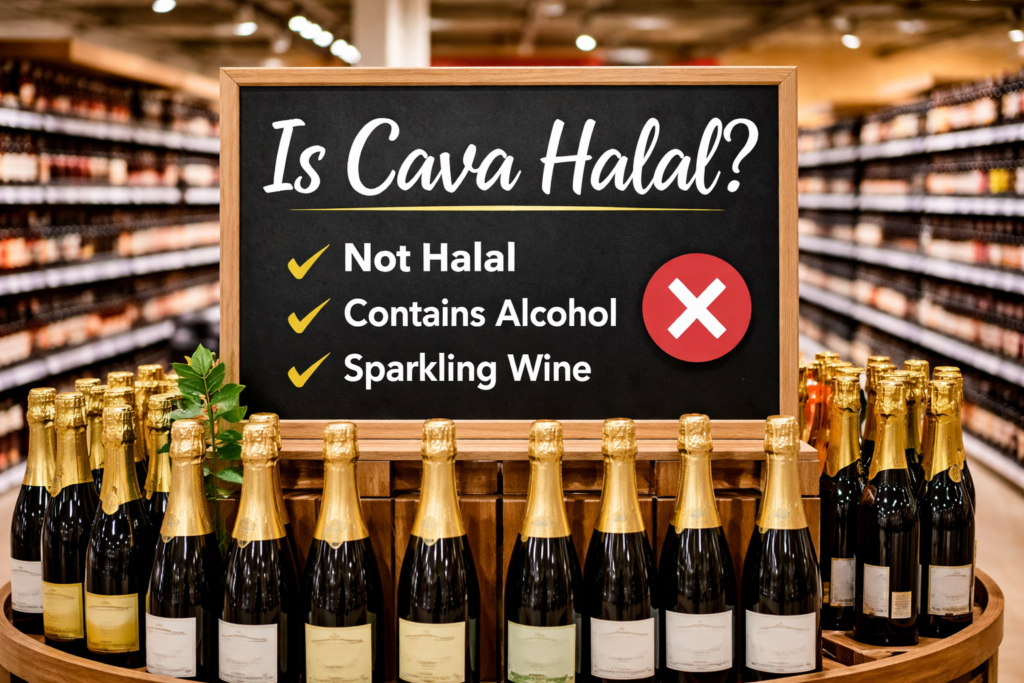
Cava is a sparkling wine produced in Spain using traditional fermentation methods.
It is made from grapes and undergoes a process that naturally produces alcohol.

In the USA and UK, Cava is widely available in supermarkets like Tesco, Sainsbury’s, Walmart, and Target.
It is also served in restaurants, hotels, and event venues where alcoholic beverages are offered.

Although it is marketed as a celebratory drink, it is still legally classified as wine in both countries.
This means it falls under alcoholic beverages and is regulated as such in USA and UK law.

How Cava is Made

Cava begins with grapes such as Macabeo, Parellada, and Xarel·lo.
These grapes are crushed to extract juice which is then fermented using yeast.

During fermentation, natural sugars are converted into alcohol, creating a base wine.
After that, a second fermentation takes place inside the bottle to create bubbles.

This process increases carbonation and alcohol content, resulting in a sparkling alcoholic drink.
Since alcohol is produced and remains in the final product, it is not suitable for Muslim consumption.

Related Post: Are In-Flight Meals Halal? Complete USA & UK Airline Food Guide

Alcohol Content in USA & UK Products

Cava bottles in USA and UK clearly display alcohol content as required by law.
Most products contain between 10% and 12% alcohol by volume.

This level of alcohol is strong enough to cause intoxication if consumed.
That is why it is strictly sold in alcohol sections of stores and not in soft drink aisles.

Even though it is sometimes labeled as “light sparkling wine,” it still contains ethanol.
This makes it part of the alcoholic beverage category in both countries.

Is Cava Halal?

Is CAVA halal or Haram

Cava is not halal because it contains fermented alcohol that causes intoxication.
It is produced using a process that naturally creates ethanol, which is the main concern.

The ruling does not change based on branding, taste, or price.
Whether it is expensive Champagne or affordable Cava, both are in the same category.

Since it is classified as wine in USA and UK, it remains unsuitable for Muslim consumption.
The presence of alcohol is the key factor that determines its status.

Why Cava is Popular in USA & UK

Cava is popular in Western countries because it offers a cheaper alternative to Champagne.
Restaurants and hotels use it in celebrations because it looks premium but costs less.

It is commonly served during weddings, New Year parties, corporate events, and birthdays.
This makes it part of mainstream social culture in cities like London, New York, and Manchester.

Supermarkets also stock it widely, making it easily accessible to consumers.
This availability increases its popularity across both countries.

Misconceptions About Cava

Many Muslims misunderstand Cava because of its “sparkling” label.
They often assume it is similar to soda or fruit juice, but this is incorrect.

Another misconception is that lower alcohol percentage makes it acceptable.
However, even small amounts of alcohol still place it in the same category.

Some also think cultural acceptance makes it permissible.
But cultural norms do not affect its actual ingredients or classification.

Where Cava is Found in USA & UK

Is CAVA halal or Haram

Cava is commonly available in major supermarkets across both countries.
Stores like Tesco, Sainsbury’s, Walmart, and Target sell it in alcohol sections.

It is also present in restaurants, hotels, and event venues.
Fine dining places often include it as part of their drink menus.

Muslims living in these countries often encounter it in social and professional settings.
This makes awareness of its nature very important.

Alcohol-Free Alternatives in USA & UK

There are many halal-friendly alternatives available in Western markets.
Sparkling grape juice is one of the most common options and is widely sold.

Fruit-based sparkling drinks like apple fizz and pomegranate beverages are also popular.
These provide a festive feel without containing alcohol.

Some brands also offer alcohol-free sparkling drinks designed to replace wine-style beverages.
However, it is important to ensure they are truly 0.0% alcohol.

Popular halal-friendly alternatives include:

  • Sparkling grape juice (widely available in supermarkets)
  • Apple and fruit fizz drinks (common in UK stores)
  • Pomegranate sparkling beverages (Middle Eastern style drinks)
  • 0.0% alcohol sparkling wines (specialty brands in USA & UK)

How to Check Halal Drinks

When buying drinks in USA or UK, always check the label carefully.
The most important factor is ensuring the product contains 0.0% alcohol.

It is also important to check ingredient lists for fermentation-based alcohol.
If possible, halal certification provides additional confidence.

Key things to check:

  • Alcohol content must be 0.0%
  • No fermentation-based ethanol
  • Clear ingredient list
  • Halal certification (if available)

Avoid products labeled “0.5% alcohol” as they may still contain traces.
Careful selection helps ensure compliance with dietary needs.

Cava vs Halal Drinks

Is CAVA halal or Haram

Cava contains alcohol and is produced through fermentation.
It is classified as wine and sold in liquor stores and alcohol sections.

Halal drinks contain no alcohol and are usually made from fruit juices.
They are sold as soft drinks and are safe for consumption.

The key difference lies in alcohol content and production method.
This is what determines their suitability.

Social Environment in USA & UK

Muslims in Western countries often encounter alcohol in social settings.
Office parties, university events, and weddings frequently include drinks like Cava.

This can create pressure to participate in drinking culture.
However, many Muslims choose non-alcoholic alternatives instead.

Being aware of options helps maintain confidence in such environments.
It allows participation without compromising personal values.

Health Perspective

Alcohol consumption is linked to both short-term and long-term health risks.
Short-term effects include reduced coordination and poor decision-making.

Long-term effects may include liver damage and dependency issues.
Health authorities in USA and UK regularly warn about these risks.

This makes avoiding alcoholic drinks beneficial from a health perspective as well.
Cava falls into this category due to its alcohol content.

Why Cava is Not Suitable for People

Cava is not suitable because it is an alcoholic beverage made through fermentation.
It is widely classified as wine in legal systems across USA and UK.

It is consumed in social drinking culture and contains intoxicating substances.
Muslims avoid such drinks due to their impact on clarity of mind.

The ruling remains the same regardless of occasion or quantity.
This makes it clearly unsuitable for consumption.

We hope you guys find this guide helpful. If you like this one, here we have more for you:

FAQs

Is CAVA halal in the USA?

Most CAVA locations in the USA are generally not fully halal-certified because the chain does not publicly follow a nationwide halal meat policy.

Are CAVA falafel bowls halal?

CAVA falafel bowls are usually considered halal-friendly because falafel is plant-based, but cross-contamination may still be a concern.

Does CAVA use halal chicken?

CAVA does not publicly advertise halal-certified chicken nationwide, so Muslims should verify directly with individual restaurant locations.

Is Cava wine or soft drink?

It is wine and classified as an alcoholic drink in USA and UK.

Does Cava contain alcohol?

Yes, it usually contains 10%–12% alcohol.

Can Muslims drink non-alcoholic Cava?

Only 0.0% alcohol drinks can be considered an alternative.

Is Cava same as sparkling juice?

No, Cava contains alcohol while sparkling juice does not.

Where is Cava sold in USA and UK?

It is sold in supermarkets, restaurants, and liquor stores.

Conclusion

Is CAVA halal or Haram? Most CAVA locations in the USA are generally not considered fully halal because the company does not publicly confirm a nationwide halal-certified meat policy. While many Mediterranean ingredients served at CAVA are halal-friendly, the halal status of chicken and meat options remains unclear for many Muslim consumers.

Muslims should also consider cross-contamination concerns because shared grills, utensils, and preparation areas may be used for both halal-friendly and non-halal ingredients. Vegetarian items like falafel, hummus, rice, and salads are often viewed as safer options, but halal-conscious customers should still verify ingredients and preparation methods directly with the restaurant before eating at CAVA.

Is Tofu Halal

Is Tofu Halal or Haram?

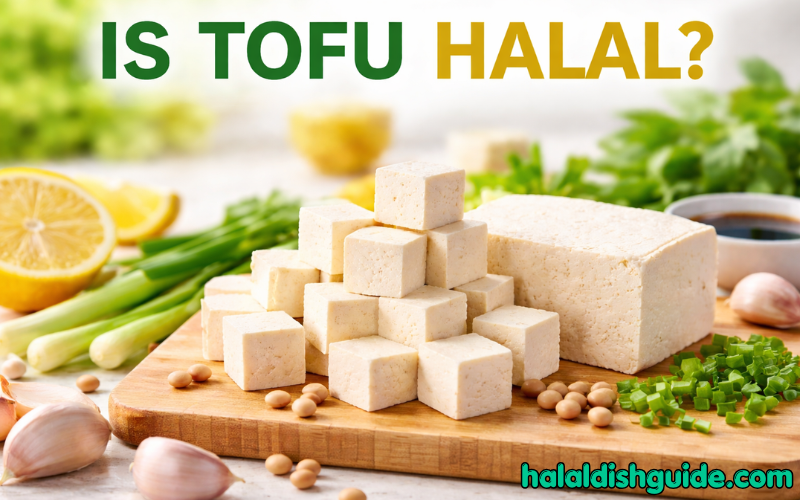
Is tofu halal or Haram? Yes, tofu is generally considered halal because it is made from soybeans, water, and coagulants, which are plant-based ingredients. Tofu is one of the most popular meat alternatives in the world and is widely consumed by Muslims in the USA and UK who follow vegetarian, vegan, or halal-conscious diets. Since tofu does not come from animals, standard plain tofu is usually considered a safe halal food option.

However, some halal concerns can still exist depending on how tofu is processed, flavored, or prepared. Certain tofu products may contain alcohol-based flavorings, non-halal sauces, meat additives, or be cooked on shared grills with pork and non-halal meat. Fried tofu dishes served in restaurants may also involve cross-contamination risks. Because ingredients and preparation methods can vary between brands and restaurants, Muslims should still check labels carefully and verify restaurant cooking practices before eating tofu products.

Quick Overview Table

CategoryHalal StatusNotes
Plain TofuHalalMade from soybeans
Organic TofuHalalUsually plant-based ingredients
Flavored TofuDependsSauces and additives may vary
Fried TofuDependsShared fryer concern
Restaurant Tofu DishesDependsCross-contamination possible
Vegan Tofu ProductsUsually HalalVerify ingredients carefully

Tofu in a Western Context

Is Tofu Halal or Haram

In both the United States and the United Kingdom, Tofu is no longer just an Asian food—it has become a mainstream product. Supermarkets like Tesco, Walmart, Whole Foods, and Sainsbury’s stock multiple varieties of tofu, making it easily accessible.

In Western diets, tofu is often marketed as a healthy alternative to meat. It is commonly used by vegetarians, vegans, and people looking to reduce meat consumption. Because of this, tofu has gained popularity among diverse communities, including Muslims.

For Muslims in the USA and UK, tofu offers a convenient option when halal meat is not easily available. However, convenience should not replace proper verification, especially in processed or restaurant-prepared foods.

How Tofu Is Manufactured in the USA & UK

To determine whether tofu is halal, it is important to look closely at how it is produced in Western countries.

The process begins with soybeans, which are soaked in water for several hours. These beans are then ground into a paste and boiled to produce soy milk.

A coagulant is added to separate the curds from the liquid. These curds are then pressed into blocks to form tofu.

In the USA and UK, the most commonly used coagulants include:

  • Calcium sulfate
  • Magnesium chloride (nigari)

Both of these are mineral-based and halal. There is no involvement of animal-derived ingredients in traditional tofu production.

However, large-scale manufacturing may introduce additional elements such as preservatives, stabilizers, or flavor enhancers. This is where halal concerns can arise.

Is Tofu Halal in the USA?

Is Tofu Halal or Haram

In the United States, tofu is generally halal in its natural form. Most major brands use simple plant-based ingredients without any animal involvement.

However, there are several important points to consider:

1. Lack of Halal Certification

Unlike meat products, tofu is rarely halal-certified in the USA. This does not mean it is haram—it simply means that consumers need to rely on ingredient checks.

2. Processed and Flavored Products

Many American brands offer pre-marinated or flavored tofu. These may include ingredients like soy sauce, barbecue flavoring, or spice blends.

Some of these additives may contain alcohol or enzymes that are not clearly labeled.

3. Restaurant Practices

In American restaurants, tofu is often cooked on shared surfaces. This can lead to cross-contamination with non-halal foods such as pork or non-halal chicken.

Because of this, Muslims should always ask about cooking methods before ordering tofu dishes.

Is Tofu Halal in the UK?

Is Tofu Halal or Haram

In the United Kingdom, tofu is also widely available and generally considered halal.

The UK has stricter food labeling laws compared to the USA. This makes it easier to identify vegan or vegetarian products, which are usually halal-friendly.

1. Vegan Label Advantage

If a tofu product is labeled as vegan, it means it contains no animal-derived ingredients. This is a strong indicator that the product is halal.

2. Halal Certification in the UK

Some UK brands do provide halal certification, but it is not common for tofu products. Most consumers still rely on ingredient lists.

3. Ready Meals and Packaged Foods

Supermarkets in the UK often sell ready-made tofu meals. These can include sauces and seasonings that may not always be halal.

Because of this, checking labels remains essential.

Key Ingredients That Affect Halal Status

Soybeans (Primary Ingredient)

Soybeans are completely plant-based and halal. There is no disagreement among scholars regarding their permissibility.

Coagulants

Coagulants are used to solidify soy milk into tofu.

In Western countries, these are typically mineral-based and halal. There is no animal involvement in standard coagulants.

Flavorings and Additives

This is where uncertainty begins.

Some tofu products include flavorings that may contain alcohol or unclear ingredients. These should always be checked carefully.

Preservatives and Stabilizers

Many processed tofu products contain preservatives to extend shelf life.

Most of these are halal, but their sources are not always clearly stated.

Different Types of Tofu in USA & UK Markets

Is Tofu Halal or Haram

Plain Tofu (Safest Choice)

Plain tofu is the most reliable option.

It contains only soybeans, water, and coagulants. There are no additives or flavorings involved.

Smoked Tofu

Smoked tofu is popular in Western markets.

It is usually halal, but the smoking process and added flavors should be verified.

Flavored Tofu

Flavored tofu is convenient but carries some risk.

Ingredients like sauces and marinades may contain non-halal components.

Ready-to-Eat Tofu Meals

These products are the most complex.

They often include multiple ingredients, making them more likely to contain doubtful elements.

Cross-Contamination in Western Restaurants

One of the biggest concerns for Muslims in the USA and UK is cross-contamination.

Even if tofu itself is halal, it may be cooked on the same grill or in the same oil as non-halal foods.

This is especially common in:

  • Fast food chains
  • Asian restaurants
  • Street food vendors

For strict halal followers, this can make tofu dishes questionable.

Tofu in Vegan and Plant-Based Restaurants

Is Tofu Halal or Haram

Vegan restaurants are generally safer for tofu consumption because they do not use animal products.

However, alcohol-based sauces can still be used in some dishes.

This means that even in vegan restaurants, it is important to ask about ingredients.

Real-Life Dining Situations (USA & UK)

In real life, Muslims often face situations where tofu is the only available option.

For example, at a workplace lunch or a non-halal restaurant, tofu dishes may seem like a safe choice.

In such cases, it is important to:

  • Ask about cooking methods
  • Avoid shared fryers
  • Choose simple dishes without sauces

These small steps can help ensure that the food remains halal.

Health Benefits of Tofu

Tofu is considered a highly nutritious food.

It is rich in protein and contains all essential amino acids.

It is also low in fat and free from cholesterol, making it beneficial for heart health.

Additionally, tofu contains important minerals like calcium and iron.

Why Tofu Is a Popular Choice for Muslims

Tofu is affordable, widely available, and easy to cook.

It provides a halal-friendly alternative to meat, especially in areas where halal meat is limited.

Its versatility allows it to be used in a wide range of dishes, from curries to salads.

Common Misconceptions About Tofu

Tofu is always 100% halal

Not necessarily — processed versions may require checking.

Tofu contains animal products

Plain tofu is completely plant-based.

Vegan food is always halal

Mostly true, but alcohol-based ingredients can still be present.

How to Ensure Your Tofu Is Halal (Practical Guide)

  • Always read the ingredient list
  • Avoid products with unclear additives
  • Choose plain or minimally processed tofu
  • Prefer halal-certified brands if available

Buying Tips for USA & UK Consumers

When shopping for tofu:

  • Choose plain tofu whenever possible
  • Check for vegan or halal labels
  • Avoid heavily processed options
  • Buy from trusted brands

We hope you guys find this guide helpful. If you like this one, here we have more for you:

FAQs

Is tofu halal in the USA?

Yes, plain tofu is generally halal in the USA.

Is tofu halal in the UK?

Yes, most plain tofu is halal in the UK.

Can Muslims eat tofu in restaurants?

Yes, but cross-contamination should be considered.

Does tofu contain alcohol?

No, plain tofu does not contain alcohol.

Is flavored tofu halal?

It depends on the ingredients used.

Is tofu a good meat alternative?

Yes, it is high in protein and widely used as a substitute.

Are vegan tofu products halal?

Mostly yes, but always check for alcohol-based ingredients.

Conclusion

Is tofu halal or Haram? Plain tofu is generally considered halal because it is made from soybeans and other plant-based ingredients without animal products. Many Muslims worldwide consume tofu as a halal-friendly protein alternative, especially in vegetarian and vegan diets.

However, Muslims should still pay attention to flavored tofu products and restaurant preparation methods. Alcohol-based sauces, meat flavorings, and shared cooking equipment can sometimes create halal concerns even if the tofu itself is permissible. The safest approach is to check ingredient labels carefully and choose restaurants or brands that clearly follow halal-friendly preparation standards.

Is Wingstop Halal

Is Wingstop Halal or Haram?

Is Wingstop halal or Haram? Many Muslims in the USA and UK want to know whether Wingstop serves halal chicken or if the restaurant should be avoided because of ingredient and preparation concerns. Since Wingstop has become extremely popular for its crispy wings and flavored sauces, questions about its halal status continue to grow online.

The answer depends on the country and restaurant location. Many Wingstop UK branches reportedly serve halal-certified chicken, while most Wingstop USA locations are generally not considered halal. Muslim customers are also concerned about shared fryers, cross-contamination, and whether the chicken is truly zabiha halal. Because franchise policies can vary, it is always best to verify halal certification directly with your local Wingstop before ordering.

Quick Overview Table

CategoryHalal StatusNotes
Wingstop USAMostly Not HalalNo nationwide halal policy
Wingstop UKMostly HalalMany locations serve halal chicken
Chicken SourceDependsVerify locally
Shared FryersPossibleCross-contamination concern
Halal CertificationLimitedNot every branch certified
Best OptionVerify BranchAsk restaurant directly

What Is Wingstop?

Is Wingstop Halal

Wingstop is a globally recognized fast-food chain specializing in chicken wings, fries, and flavored sauces. It was founded in the United States and has expanded rapidly across multiple countries.

The brand is especially known for its bold flavors such as Lemon Pepper, Mango Habanero, Garlic Parmesan, and Original Hot. These flavors are a major reason behind its strong customer base.

Wingstop outlets are widely available in both the USA and UK, making it a convenient and popular choice for quick meals, takeaways, and casual dining.

Related Post: Is Dave’s Hot Chicken Halal?

Why Halal Status of Wingstop Is Important

For Muslims, halal food is not simply a lifestyle choice but a religious requirement. Every ingredient and the entire preparation process must comply with Islamic dietary laws.

This includes proper slaughtering of animals, avoiding haram substances like pork and alcohol, and preventing contamination with non-halal food. These standards must be strictly followed.

Fast food chains like Wingstop operate on large-scale systems where maintaining halal integrity across all branches can be challenging. That is why verifying halal status becomes extremely important.

Is Wingstop Halal in the USA?

In the United States, Wingstop is generally not halal. Most locations do not use halal-certified chicken or follow Islamic slaughtering methods.

The chicken supplied to Wingstop typically comes from large commercial suppliers that follow standard industry practices. These practices do not meet halal requirements.

Additionally, shared cooking equipment and lack of certification make it difficult to consider Wingstop halal in the USA.

Any Halal Wingstop Locations in the USA?

There are rare cases where independently owned Wingstop franchises may offer halal chicken. These locations may source meat from halal suppliers.

However, such branches are not officially part of a global halal policy. Each franchise operates differently depending on ownership.

Even if a branch claims to be halal, you should always verify certification and ask detailed questions before ordering.

Is Wingstop Halal in the UK?

Is Wingstop Halal

In the UK, the situation is slightly more favorable compared to the USA. Some Wingstop locations offer halal-certified chicken.

These branches usually clearly mention their halal status in-store or online. This transparency helps Muslim customers make informed choices.

Not every Wingstop in the UK is halal, so it is still necessary to confirm before visiting.

Halal Certification in the UK

The UK has several recognized halal certification bodies that ensure food meets Islamic requirements. These organizations monitor sourcing, slaughtering, and handling processes.

If a Wingstop branch is halal-certified, it will usually display certification details openly. This adds credibility and trust.

Still, consumers should remain cautious and confirm certification rather than assuming.

Wingstop Ingredients Breakdown

To understand halal status properly, it is important to analyze each component of Wingstop’s menu. Ingredients alone do not determine halal status—processing and sourcing are equally important.

Wingstop food mainly consists of chicken, frying oil, sauces, seasoning blends, and side items. Each of these elements can impact halal compliance.

Let’s examine them one by one in detail.

Chicken (Main Ingredient)

Is Wingstop Halal

Chicken is the most critical factor when determining halal status. If the chicken is not slaughtered according to Islamic guidelines, it becomes haram.

In the USA, Wingstop chicken is generally not halal-certified and comes from conventional suppliers. This makes it unsuitable for strict halal consumers.

In the UK, some branches use halal-certified chicken, which makes them acceptable for Muslim customers—but only at those specific locations.

Cooking Oil and Frying Process

Wingstop uses vegetable oil for frying wings and fries. From an ingredient perspective, vegetable oil is halal.

However, the concern arises when the same oil is used to cook non-halal items. This can lead to cross-contamination.

Shared fryers are common in fast food kitchens, which creates doubt even if the ingredients themselves are halal.

Sauces and Seasonings (Flavor Analysis)

Wingstop offers a wide variety of sauces that give its wings a unique taste. These include spicy, sweet, and tangy options.

Most sauces do not contain obvious haram ingredients like alcohol or pork derivatives. However, flavoring agents are not always fully disclosed.

Because of this lack of transparency, some halal-conscious consumers prefer to avoid them unless verified.

Sides (Fries, Dips, and Extras)

Is Wingstop Halal?

Sides such as fries are generally halal if cooked in clean oil. However, shared fryers can make them questionable.

Dips like ranch or cheese sauce may contain dairy ingredients, which are usually halal. Still, additives and processing methods should be checked.

Bread and other sides are typically halal-friendly but should still be verified for cross-contamination risks.

Cross-Contamination Risks at Wingstop

Cross-contamination is one of the biggest concerns for Muslims eating at fast food chains. Even if the chicken is halal, the preparation environment matters.

Wingstop kitchens often prepare multiple items in the same area using shared utensils and equipment. This increases the risk of mixing halal and non-halal food.

For strict halal followers, this risk alone may be enough to avoid eating at such places.

Why Wingstop Is Not Fully Halal

The main issue is the absence of a global halal policy across all Wingstop locations. Each branch operates under different conditions.

Another major factor is sourcing from non-halal suppliers, especially in the USA. This directly affects the permissibility of the food.

Additionally, shared kitchens and unclear ingredient disclosure create further doubt, making it difficult to classify Wingstop as fully halal.

Why Some Muslims Still Eat Wingstop

Some Muslims choose to eat at Wingstop locations that are verified halal, especially in the UK. These branches follow halal standards.

Others follow a more flexible approach and rely on general ingredient safety rather than certification.

This decision ultimately depends on individual beliefs and level of religious strictness.

Halal Alternatives to Wingstop

For those who prefer certainty, halal-certified restaurants are the best option. Many local businesses specialize in halal wings and fast food.

In both the USA and UK, the halal food industry is growing rapidly, offering many alternatives.

Choosing certified halal restaurants ensures peace of mind and removes all doubts.

How to Check If Your Wingstop Is Halal

Always ask the restaurant staff directly about halal certification and sourcing. Do not rely only on assumptions.

Look for official certificates displayed in-store. These provide strong evidence of halal compliance.

You can also check online reviews, Google listings, or the official Wingstop website for confirmation.

Common Misconceptions About Wingstop Halal Status

One common misconception is that all chicken is halal, which is incorrect. The method of slaughter is what determines halal status.

Another myth is that all UK locations are halal. In reality, only selected branches are certified.

Some people also believe sauces are the main issue, while in fact, the primary concern is the meat source.

Detailed Comparison: Wingstop vs Other Fast Food Chains

Compared to many other fast food chains, Wingstop has a more limited menu focused mainly on chicken wings. This simplicity can make halal evaluation easier.

However, unlike some chains that clearly label halal options, Wingstop does not maintain a consistent halal policy worldwide.

Some competing brands in the UK offer fully halal menus, making them a safer choice for Muslims.

Health Perspective

Wingstop food is high in calories, fat, and sodium due to deep frying and heavy sauces.

Frequent consumption may lead to health problems such as weight gain, high cholesterol, and heart issues.

While it can be enjoyed occasionally, moderation is important for maintaining a healthy lifestyle.

Practical Tips for Muslim Consumers

Always verify halal certification before eating at Wingstop. Do not assume based on location alone.

If you are unsure, choose simpler items like plain fries—but only if cross-contamination risk is low.

When in doubt, it is better to avoid and choose certified halal alternatives.

FAQs

Is Wingstop halal in USA?

No, most Wingstop locations in the USA are not halal.

Is Wingstop halal in UK?

Some locations are halal-certified, but not all.

Does Wingstop use halal chicken?

Only selected UK branches use halal-certified chicken.

Can Muslims eat Wingstop?

Only if the specific branch is verified halal.

Are Wingstop sauces halal?

Most are halal-friendly, but verification is recommended.

Is cross-contamination a concern?

Yes, shared kitchens can pose a risk.

Conclusion

Is Wingstop halal? The answer depends mainly on the country and specific restaurant location. Most Wingstop locations in the USA are generally not considered halal because they lack official halal certification and may use shared fryers. However, many Wingstop UK branches reportedly serve halal-certified chicken and cater to Muslim customers.

Because halal policies can vary between franchises, Muslim consumers should always confirm directly with their local branch before eating. Asking about halal certification, chicken sourcing, and shared fryer usage is the safest way to make an informed halal decision when dining at Wingstop in the USA or UK.

Are Jolly Ranchers Halal

Are Jolly Ranchers Halal or Haram?

Are Jolly Ranchers halal or Haram? Many Muslims in the USA and UK want to know whether Jolly Ranchers contain haram ingredients like gelatin, confectioner’s glaze, or artificial flavorings. Jolly Ranchers are one of the most popular hard candies in America, known for their fruity flavors and bright colors, but their halal status continues to create confusion among halal-conscious consumers.

Most classic Jolly Rancher hard candies do not contain gelatin, which makes them appear more halal-friendly than many gummy candies. However, some Muslims still question ingredients like artificial colors, flavorings, sugar processing, and confectioner’s glaze used in certain products. Different Jolly Rancher varieties may also contain different ingredients, especially gummies and chewy candies. Because formulas can vary between products and countries, Muslims should always check ingredient labels and halal certification carefully before consuming Jolly Ranchers.

Quick Overview Table

CategoryHalal StatusNotes
Classic Jolly RanchersGenerally Halal-FriendlyNo gelatin in hard candies
Jolly Rancher GummiesDependsMay contain gelatin
Artificial ColorsQuestioned by Some MuslimsIngredient sourcing concern
Confectioner’s GlazeDependsSource may vary
Halal CertificationNot Widely CertifiedVerify ingredients carefully
Best OptionCheck Product LabelFormulas vary by candy type

What Are Jolly Ranchers?

Are Jolly Ranchers Halal or Haram

Jolly Ranchers are fruit-flavored candies produced by The Hershey Company, one of the leading confectionery companies in the world.

The brand is best known for its original hard candy, which is designed to dissolve slowly in the mouth and deliver strong fruity flavors. Over time, the product line has expanded to include gummies, chews, lollipops, and even drink mixes.

In both the USA and UK, Jolly Ranchers are considered a mainstream candy brand and are easily accessible. However, each variation comes with different ingredients, which means their halal status must be evaluated separately.

Types of Jolly Ranchers Products (Very Important)

Understanding product types is essential because halal status is not the same across all variations.

1. Hard Candy (Most Common)

Are Jolly Ranchers Halal or Haram

Hard candy is the original and most popular form.

It is typically made using sugar, corn syrup, and flavoring agents.

It does not contain gelatin, which makes it the safest option for halal-conscious consumers.

This is the version most widely considered halal-friendly in both the USA and UK.

2. Gummies

Are Jolly Ranchers Halal or Haram

Gummies are soft, chewy candies.

They often require gelatin or other gelling agents to create their texture.

If gelatin is present and not halal-certified, then the product becomes questionable or non-halal.

This makes gummies the most important variation to check carefully.

3. Chews

Are Jolly Ranchers Halal or Haram

Chews have a soft, taffy-like texture.

They may include dairy ingredients, emulsifiers, and stabilizers.

The halal status depends on the source of these ingredients.

4. Lollipops

Are Jolly Ranchers Halal or Haram

Lollipops are essentially hard candy on a stick.

They usually contain similar ingredients to hard candy.

They are generally considered halal-friendly.

Ingredients in Jolly Ranchers (USA & UK)

Ingredients play the biggest role in determining halal status.

Common Ingredients Found in Hard Candy:

  • Sugar
  • Corn syrup
  • Malic acid
  • Natural and artificial flavors
  • Artificial colors

These ingredients are typically plant-based or synthetic. This makes them generally acceptable from a halal perspective.

However, there are still some points to consider regarding sourcing and processing.

Are Jolly Ranchers Halal or Not?

Jolly Ranchers are mostly halal-friendly, especially the hard candy versions.

They do not contain gelatin, alcohol, or obvious animal-derived ingredients in their standard formulas.

However, because they are not officially halal-certified in the USA or UK, their halal status is based on ingredient analysis rather than certification.

Simple Breakdown:

  • Hard Candy → ✅ Halal-friendly
  • Gummies → ⚠️ Check ingredients
  • Chews → ⚠️ Depends on formulation

For most consumers, hard candy is considered safe, while other versions require caution.

Why There is Confusion About Jolly Ranchers

1. Lack of Official Halal Certification

Most Jolly Ranchers products do not carry halal certification.

This makes it difficult for consumers who rely on official labeling.

2. Artificial Flavor Concerns

Some artificial flavors may use alcohol as a carrier.

However, in most cases, these are used in very small amounts and are not intoxicating.

3. Food Coloring Issues

Modern food coloring is usually synthetic.

But some consumers still question their sources and processing.

4. Multiple Product Variations

Different product types have different ingredients.

This creates confusion because not all Jolly Ranchers products are the same.

Are Jolly Ranchers Halal in USA?

In the United States, Jolly Ranchers are widely considered halal-friendly based on their ingredient composition.

The hard candy versions are particularly popular among Muslim consumers because they do not contain gelatin.

However, due to the absence of official halal certification, some individuals prefer to avoid them or choose certified alternatives.

Are Jolly Ranchers Halal in UK?

In the United Kingdom, the halal status is similar to the USA.

Most hard candy versions are considered halal-friendly, while gummies and chews require careful checking.

Imported versions may have slightly different ingredients, so reading labels is always important.

Manufacturing Process

The manufacturing process of Jolly Ranchers is relatively simple:

  1. Sugar and corn syrup are heated to form a liquid mixture
  2. Flavorings and colors are added
  3. The mixture is cooled and shaped
  4. Candies are packaged for distribution

This process does not involve animal-derived steps for hard candy, which supports its halal-friendly status.

Hidden Concerns in Candy Production

Even simple products can have hidden concerns:

  • Flavor carriers
  • Processing aids
  • Sugar refining methods
  • Cross-contamination in factories

While these factors are usually minimal, they are important for strict halal diets.

Comparison with Other Candies

When compared to other sweets:

  • Hard candy → safest option
  • Gummies → higher risk
  • Chocolate → more complex ingredients

Jolly Ranchers hard candy is generally one of the safer candy options available.

Health Perspective

Jolly Ranchers are high in sugar and should be consumed in moderation.

They do not provide significant nutritional benefits but are safe as an occasional treat.

Practical Tips for Consumers

  • Always read ingredient labels
  • Prefer hard candy versions
  • Avoid gummies unless verified
  • Look for halal-certified alternatives
  • Stay updated with ingredient changes

Common Misconceptions

1. All candy is halal

Not true—many contain gelatin.

2. Artificial flavors are always haram

Most are synthetic and acceptable.

3. No gelatin means 100% halal

Generally safer, but still check ingredients.

We hope you guys find this guide helpful. If you like this one, here we have more for you:

FAQs

Are classic Jolly Ranchers halal?

Classic Jolly Rancher hard candies are generally considered halal-friendly because they usually do not contain gelatin.

Do Jolly Rancher gummies contain gelatin?

Some Jolly Rancher gummy products may contain gelatin, so Muslims should always check the ingredient label carefully.

Why do some Muslims avoid Jolly Ranchers?

Some Muslims avoid Jolly Ranchers because of artificial colors, flavorings, confectioner’s glaze, and the lack of halal certification.

Are Jolly Ranchers halal or haram?

Most hard candies are halal-friendly.

Are they halal in USA?

Yes, based on ingredients.

Are they halal in UK?

Yes for hard candy, but check labels.

Can Muslims eat Jolly Ranchers?

Yes, especially hard candy versions.

Are gummies halal?

Only if gelatin-free.

Are artificial flavors halal?

Usually yes, but verification is recommended.

Conclusion

Are Jolly Ranchers halal? Many Muslims consider classic Jolly Rancher hard candies halal-friendly because they typically do not contain gelatin or obvious pork-based ingredients. However, some halal-conscious consumers still remain cautious because of artificial flavorings, food coloring, confectioner’s glaze, and unclear ingredient sourcing.

The halal status can also vary depending on the specific Jolly Rancher product. Gummies and chewy varieties may contain gelatin or other questionable additives that require additional verification. Since ingredient formulas can change over time and differ by region, the safest approach is always to check the packaging carefully and choose halal-certified candy whenever possible.

Is Burger King Halal

Is Burger King Halal or Haram?

Is Burger King halal or Haram? Many Muslims in the USA and UK want to know whether Burger King serves halal-certified meat and if its burgers are safe to eat according to halal dietary guidelines. Burger King is one of the world’s largest fast-food chains, but its halal status varies depending on the country, restaurant location, and meat suppliers used by individual branches.

Most Burger King locations in the United States are generally not considered halal because the chain does not follow a nationwide halal-certified meat policy. However, some Burger King branches in Muslim-majority countries and selected international locations may offer halal-certified menu items. Muslim consumers are also concerned about pork products, shared grills, cross-contamination, and whether the beef or chicken is truly zabiha halal. Since franchise policies can vary between countries and restaurants, it is always best to verify halal certification directly with your local Burger King before ordering.

Quick Overview Table

CategoryHalal StatusNotes
Burger King USAMostly Not HalalNo nationwide halal policy
Burger King UKDependsVerify individual branches
Muslim-Majority CountriesUsually HalalLocal halal suppliers used
Beef & ChickenDependsNot always halal-certified
Shared GrillsPossible ConcernCross-contamination risk
Best OptionVerify RestaurantAsk branch directly

What is Burger King?

Is Burger King Halal or Haram

Burger King is one of the largest fast-food chains in the world, originally founded in the United States in 1954. It is well known for its flame-grilled burgers, Whopper sandwiches, crispy chicken items, fries, and soft drinks.

Today, Burger King operates in more than 100 countries, including a large presence in both the USA and UK. However, despite being a global brand, Burger King does not operate with a single universal food policy.

Instead, it uses a franchise model, meaning that:

  • Local owners manage individual restaurants
  • Suppliers differ by country
  • Ingredients are sourced locally
  • Food preparation standards vary

This system allows flexibility but also creates inconsistency — especially when it comes to halal food standards.

Is Burger King Halal in USA?

In the United States, Burger King is generally not halal-certified.

Most Burger King locations in the USA use standard commercial meat suppliers that are not slaughtered according to Islamic guidelines. There is no official halal menu or nationwide halal certification program within Burger King USA.

Main Reality in USA Burger King Locations:

  • Beef is not halal-certified
  • Chicken is not halal-certified
  • Cooking equipment is shared
  • No official halal labeling
  • Ingredients vary by supplier

Even though some individual franchises may claim to source halal meat locally, this is extremely rare and not part of Burger King’s official policy in the USA.

Important Point for USA Muslims:

You cannot assume Burger King is halal anywhere in the USA unless it is clearly verified at that specific location with certification proof.

Is Burger King Halal in UK?

In the United Kingdom, Burger King also does not have a fully halal-certified nationwide system.

Unlike some fast-food brands that offer halal-certified branches in specific regions, Burger King UK has not implemented a consistent halal program across all outlets.

Reality in UK Burger King Locations:

  • Most outlets serve non-halal meat
  • No official halal certification system
  • Shared grills and fryers
  • No halal menu labeling nationwide
  • Limited or no transparency on sourcing

In some rare cases, certain independent franchises may advertise halal chicken or beef, but these are not standard across the UK network.

Important Point for UK Muslims:

Just like in the USA, halal status must be checked individually at each restaurant — it cannot be assumed.

Why Burger King is Not Universally Halal in USA & UK

Is Burger King Halal or Haram

There are several important reasons why Burger King does not follow a universal halal system in Western countries.

1. Franchise Business Model

Burger King operates through franchises, meaning each location may have different suppliers and operational rules. This makes uniform halal certification difficult.

2. Non-Halal Supply Chains

The USA and UK meat supply chains are not fully halal-compliant. Switching to halal-only sourcing would require major restructuring.

3. Cost of Halal Certification

Halal certification involves:

  • Separate slaughter processes
  • Dedicated supply chains
  • Strict monitoring
  • Certification fees

Many global chains avoid this unless there is strong demand.

4. Cross-Contamination Risks

Even if halal meat is used in some cases, shared cooking equipment (grills, fryers, prep stations) can lead to cross-contamination.

5. Market Demand Differences

Halal demand is region-specific. In countries with higher Muslim populations, halal certification is more common, but in Western countries, it is not applied universally.

Burger King Ingredients Analysis (USA & UK)

Understanding ingredients is essential when evaluating halal concerns.

Beef Patties

  • Usually not halal-certified
  • Sourced from general suppliers

Chicken Items

  • Vary by supplier
  • Rarely halal-certified in USA & UK

Cheese

  • Often vegetarian-friendly
  • But enzyme source may vary

Buns

  • Generally safe
  • But may contain additives or emulsifiers

Sauces

  • Some may contain alcohol-based flavoring or non-halal enzymes

Fries

  • Usually vegetarian
  • But often cooked in shared oil

Cross-Contamination Problem (Very Important)

One of the biggest concerns in both USA and UK Burger King restaurants is cross-contamination.

Even if a halal ingredient is used, it may be:

  • Cooked on the same grill as pork or non-halal meat alternatives
  • Fried in the same oil as non-halal items
  • Stored in the same preparation area

Islamic dietary rules emphasize not only halal ingredients but also the cleanliness and separation of preparation processes.

How to Check If Burger King is Halal in USA & UK

Is Burger King Halal or Haram

Before eating at Burger King, always verify:

  • Ask for official halal certification
  • Check if the outlet displays halal logos
  • Confirm with staff directly
  • Visit official local store listings
  • Consult trusted Muslim community sources

Never rely on assumptions or global branding.

Are Any Burger King Locations Halal in USA & UK?

Yes, but very limited.

Some independent franchise owners may claim halal sourcing, but:

  • They are not standardized
  • They are not officially part of a nationwide system
  • They must be individually verified

So the safest assumption remains: Burger King is not halal unless proven otherwise at that specific branch.

Burger King vs Other Fast Food Chains (USA & UK)

Burger King follows a similar approach to other global fast-food brands in Western markets:

  • No universal halal certification
  • Region-based sourcing
  • Limited transparency
  • Franchise-level decisions

This means halal availability depends on location rather than brand identity.

Better Alternatives for Muslim Consumers (USA & UK)

Many Muslims prefer:

  • Fully halal-certified local restaurants
  • Middle Eastern and South Asian halal chains
  • Verified halal burger outlets
  • Restaurants with clear certification display

These options provide more certainty and peace of mind.

Common Misconceptions About Burger King Halal Status

1. “All Burger King food is halal worldwide”

False — it varies by country.

2. “Chicken is always safe”

Not true in USA and UK.

3. “Fries are automatically halal”

Not always due to shared oil.

4. “Big brands follow one global rule”

Incorrect — franchises operate independently.

We hope you guys find this guide helpful. If you like this one, here we have more for you:

FAQs

Is Burger King halal in UK?

Generally, no, except for rare verified cases.

Is Burger King halal in the USA?

Most Burger King locations in the USA are generally not halal-certified because there is no nationwide halal meat policy.

Does Burger King use halal chicken or beef?

Some international Burger King branches may use halal-certified meat, but most USA locations do not publicly advertise halal-certified beef or chicken.

Can Burger King food have cross-contamination concerns?

Yes, shared grills, fryers, and kitchen equipment may create cross-contamination concerns for halal-conscious Muslim consumers.

Is Burger King chicken halal?

Usually not in USA and UK.

Are Burger King fries halal?

Mostly vegetarian, but cross-contamination is possible.

Does Burger King have a halal menu?

No official halal menu exists in USA or UK.

How to confirm halal status?

Check certification, ask staff, and verify locally.

Conclusion

Is Burger King halal? The answer depends mainly on the country and restaurant location. Most Burger King locations in the USA are generally not halal-certified because they do not follow a nationwide halal meat policy and commonly serve pork products alongside other menu items. However, some international Burger King branches in Muslim-majority countries may offer halal-certified meat options.

Muslim consumers should also consider shared grills, kitchen preparation methods, and cross-contamination concerns before eating at Burger King. Because halal standards vary between franchise locations, verifying halal certification and meat sourcing directly with the restaurant is the safest approach for halal-conscious customers in the USA and UK.

Is Shrimp Halal

Is Shrimp Halal or Haram?

Is shrimp halal or Haram? According to the majority of Islamic scholars, shrimp is generally considered halal and permissible for Muslims to eat. Many Muslims in the USA and UK regularly consume shrimp in seafood restaurants, sushi dishes, fried seafood platters, and Asian cuisine because shrimp is widely accepted as halal in the Shafi’i, Maliki, and Hanbali schools of thought. Most modern Hanafi scholars also consider shrimp permissible, although there is still some scholarly difference within the Hanafi madhab.

Many halal-conscious Muslims also ask whether restaurant shrimp remains halal when cooked with alcohol-based sauces, fried in shared oil, or prepared alongside non-halal seafood and meat. Cross-contamination, seafood seasoning, and restaurant preparation methods can sometimes create additional halal concerns. Because scholarly opinions and cooking practices may vary, Muslims should verify ingredients and follow the Islamic opinion they trust most when eating shrimp dishes in restaurants or processed foods.

Quick Overview Table

CategoryHalal StatusNotes
Majority Sunni OpinionHalalAccepted by Shafi’i, Maliki, Hanbali
Hanafi OpinionDependsScholarly difference exists
Modern Hanafi ScholarsUsually HalalMany permit shrimp today
Fried Restaurant ShrimpDependsShared fryer concern
Shrimp with Alcohol SaucesNot HalalWine-based ingredients concern
Frozen & Processed ShrimpDependsCheck additives and flavorings

What is Shrimp?

Is Shrimp Halal or Haram

Shrimp is a small aquatic animal found in oceans, seas, and freshwater environments. It belongs to a group of animals known as crustaceans, which also includes crabs, lobsters, and prawns.

Unlike fish, shrimp has a hard outer shell and a segmented body structure. It moves differently and lives in different conditions compared to most fish species. These biological differences are the main reason why some people question its classification.

Despite these differences, shrimp is commonly grouped under seafood in global food systems. It is widely consumed and is considered a staple ingredient in many cuisines. Its popularity makes it one of the most recognized seafood items in the world.

Why Shrimp is So Popular

Shrimp has become extremely popular due to its taste, texture, and versatility in cooking.

It can be prepared in many ways, including grilling, frying, boiling, steaming, and baking. It is used in dishes such as curries, pasta, rice meals, soups, and seafood platters.

In countries like the USA and UK, shrimp is a common menu item in restaurants. It is also widely available in supermarkets in fresh, frozen, and ready-to-cook forms.

Another reason for its popularity is its quick cooking time. Shrimp cooks faster than most meats, making it convenient for home cooking.

Is Shrimp Halal or Not?

Shrimp is generally considered halal by the majority of scholars and is widely accepted across the world.

This means that in most cases, shrimp can be consumed without concern, provided it is sourced and prepared properly.

However, there are some differences in interpretation. While many consider all seafood to be permissible, others make distinctions between different types of sea creatures.

Some interpretations focus specifically on fish and may question whether shrimp falls into that category.

Despite these differences, the global majority view supports the permissibility of shrimp, and it is commonly included in halal diets.

Why There is Confusion About Shrimp

Is Shrimp Halal or Haram

The confusion about shrimp mainly comes from its classification as a crustacean rather than a fish.

In some interpretations, only fish are clearly considered permissible, while other sea creatures are debated.

Another reason is cultural variation. In many countries, shrimp is consumed without hesitation, while in others, people are more cautious.

Additionally, the lack of clear labeling in restaurants and supermarkets can create uncertainty for consumers.

These factors combined make shrimp one of the most discussed seafood items when it comes to halal status.

Global Perspective on Shrimp

Shrimp is widely accepted and consumed across the world.

In Asia, it is used in a variety of traditional dishes and is considered a staple ingredient.

In the Middle East, shrimp is commonly included in seafood meals and is widely accepted.

In Western countries like the USA and UK, shrimp is popular in restaurants, seafood chains, and home cooking.

This global acceptance reflects its general permissibility and widespread use.

Key Factors That Determine Halal Status

Understanding shrimp’s halal status requires looking at several important factors.

1. Type of Sea Creature

Shrimp lives in water and is part of the seafood category.

This is one of the main reasons why it is considered halal by many people.

2. Source of Shrimp

Shrimp can be wild-caught or farm-raised.

Both types are generally acceptable, as long as they are clean and safe for consumption.

3. Processing and Handling

After being caught, shrimp is cleaned, frozen, and packaged.

Proper handling is important to ensure it remains halal.

4. Cooking Ingredients

Cooking methods play a key role.

If shrimp is prepared with alcohol-based sauces or mixed with non-halal ingredients, it can become questionable.

5. Cross-Contamination

Cross-contamination can occur in kitchens or factories.

If shrimp comes into contact with non-halal food, its status may be affected.

Shrimp in Global Cuisines

Shrimp is one of the most versatile ingredients in global cuisine.

In Asian cuisine, it is used in noodles, fried rice, and curries.

In Western cuisine, shrimp is commonly used in pasta, grilled dishes, and seafood platters.

In Middle Eastern cuisine, shrimp is often cooked with spices and served with rice.

Its ability to fit into different dishes makes it a favorite ingredient worldwide.

Health Benefits of Shrimp

Is Shrimp Halal or Haram

Shrimp is a highly nutritious food.

It is rich in protein, which supports muscle growth and overall health.

It contains essential nutrients such as iodine, selenium, and omega-3 fatty acids.

Shrimp is also low in calories, making it a good option for a balanced diet.

Common Misconceptions About Shrimp

Many people believe shrimp is not halal because it is not a fish.

Others think all seafood rules are the same everywhere, which is not true.

Some assume cooking can change its halal status, which depends on ingredients used.

These misconceptions help avoid confusion.

Expert Views

Most experts consider shrimp permissible as part of seafood.

They highlight its global acceptance and widespread consumption.

However, they also acknowledge that differences in interpretation exist.

This is why personal preference and understanding are important.

Practical Tips for Consumers

Always buy shrimp from trusted suppliers.

Check labels when purchasing packaged shrimp.

Ask restaurants about ingredients and cooking methods.

Avoid dishes with unclear sauces or preparation methods.

Choose simple cooking methods like grilling or steaming.

Shrimp in Restaurants (USA & UK)

Shrimp is widely available in restaurants across the USA and UK.

Many seafood and halal restaurants include shrimp dishes on their menus.

However, not all restaurants follow halal standards.

It is important to confirm sourcing and preparation before ordering.

Frozen and Processed Shrimp

Frozen shrimp is one of the most common forms available in supermarkets.

It is generally halal if processed properly and free from contamination.

Some processed shrimp products may include additives, so checking labels is important.

Environmental and Farming Considerations

Shrimp farming is a growing industry worldwide.

Farm-raised shrimp is produced in controlled environments.

While farming methods do not usually affect halal status, cleanliness and quality remain important.

Consumers should choose reliable sources to ensure safety and quality.

Should You Eat Shrimp?

Shrimp is widely accepted as halal and can be enjoyed without concern in most cases.

As long as it is sourced properly and cooked with halal ingredients, it is considered safe.

However, individuals who follow stricter interpretations may choose to avoid it.

We hope you guys find this guide helpful. If you like this one, here we have more for you:

FAQs

Is shrimp halal in Islam?

Yes, the majority of Islamic scholars consider shrimp halal and permissible for Muslims to eat.

Is shrimp halal in the Hanafi madhab?

Many modern Hanafi scholars consider shrimp halal, although some Hanafi scholars still classify it as makruh or doubtful.

Can shrimp become non-halal during cooking?

Yes, shrimp dishes may become questionable if prepared with alcohol-based sauces, non-halal ingredients, or shared fryers with haram foods.

Is fried shrimp halal?

It depends on the ingredients used in cooking.

Is shrimp halal in the USA and UK?

Yes, but you should check restaurant practices.

Does cooking affect shrimp’s halal status?

Yes, non-halal ingredients can affect it.

Is frozen shrimp halal?

Yes, if processed properly.

Should I avoid shrimp?

Not necessary unless you follow a stricter view.

Conclusion

Is shrimp halal? According to the majority of Islamic scholars, shrimp is considered halal and permissible to eat. The Shafi’i, Maliki, and Hanbali schools widely accept shrimp as halal seafood, and many modern Hanafi scholars also allow it. However, some Hanafi scholars still classify shrimp as makruh or doubtful because of differences in how seafood is categorized in Hanafi fiqh.

Muslims should also pay attention to how shrimp is prepared in restaurants and packaged foods. Alcohol-based marinades, non-halal seasonings, and shared fryers can create halal concerns even if shrimp itself is considered permissible. The safest approach is to verify ingredients carefully and follow the scholarly opinion that best matches your madhab and level of halal caution.

NYC Halal Eats

NYC Halal Eats

Looking for the best NYC halal eats? New York City is one of the best places in the USA for halal food, offering everything from halal street carts and burgers to luxury halal restaurants and international cuisine. With a large Muslim population and millions of tourists visiting every year, NYC has become famous for its diverse halal food scene across Manhattan, Brooklyn, Queens, and the Bronx.

Muslim food lovers in New York can find halal chicken over rice, halal burgers, Pakistani food, Turkish cuisine, Middle Eastern grills, and halal-friendly fast food almost everywhere in the city. Areas like Midtown Manhattan, Jackson Heights, Astoria, and Brooklyn are especially popular for halal dining. However, many Muslim customers still prefer checking halal certification and restaurant reputation before eating because halal standards and preparation methods can vary between restaurants.

Quick Overview Table

CategoryDetailsNotes
Halal Food AvailabilityExtremely HighOne of the best halal food cities in USA
Popular AreasManhattan, Queens, BrooklynLarge Muslim communities
Famous Halal FoodsChicken Over Rice, Burgers, BBQNYC halal street food culture
Cuisine TypesMiddle Eastern, Pakistani, Turkish, AmericanWide variety available
Halal CertificationAvailable at Many RestaurantsVerify locally
Best for Muslim TravelersExcellent DestinationEasy halal food access

NYC Halal Food Culture Overview

NYC halal food culture has grown rapidly over the past decade due to immigration, tourism, and increasing demand for diverse food options.

Halal food in NYC is not just about restaurants; it is a lifestyle and street culture. Food carts, small takeaways, and family-owned restaurants all contribute to this growing ecosystem.

You will find halal food in almost every corner of the city, especially in areas with strong Muslim communities. These include parts of Queens, Brooklyn, and Manhattan.

Another important factor is accessibility. Many halal food options are affordable, quick, and available late at night, making them perfect for students, workers, and travelers.

Related Post: Is Gelatin Halal?

Street Food Culture and Its Importance

NYC Halal Eats

One of the biggest parts of NYC halal eats is street food culture. Food carts are extremely popular because they are fast, cheap, and available almost everywhere.

Street halal carts usually serve rice platters, sandwiches, gyros, and grilled meats. These meals are simple but full of flavor and often come with signature sauces that make them unique.

The popularity of street halal food comes from convenience. People working long hours or traveling through the city often rely on these carts for quick meals.

Over time, some street vendors have become globally recognized names, turning simple food carts into major brands.

Restaurant Scene in NYC Halal Eats

Alongside street food, NYC also offers a strong restaurant scene for halal dining.

These restaurants range from casual family-style places to luxury fine dining experiences. Many specialize in South Asian, Middle Eastern, or fusion cuisine.

Restaurant halal dining in NYC focuses more on variety, presentation, and atmosphere. You will find full-course meals, dessert menus, and traditional dishes served in comfortable settings.

This makes restaurants ideal for families, gatherings, and special occasions where you want a more relaxed and complete dining experience.

Iconic NYC Halal Food Experience

The Halal Guys is often considered the face of NYC halal street food culture. What started as a small food cart has now become a global name.

Their signature chicken and gyro over rice is one of the most recognizable halal meals in the world. The combination of white sauce and hot sauce gives it a unique flavor that people instantly recognize.

What makes this experience special is not just the food but the culture around it. Long queues, quick service, and affordable pricing make it a must-try NYC experience.

It represents how simple street food can become a global phenomenon when done consistently well.

Everyday Halal Food Options for Locals

Beyond famous names, NYC is full of everyday halal food spots that serve local communities.

Places like small grills, delis, and family-owned restaurants provide daily meals for residents. These spots are often less known but highly reliable.

Kennedy Fried Chicken is a good example of affordable halal fast food available across multiple locations.

These places are important because they make halal food accessible to everyone, not just tourists or food explorers.

They focus on speed, affordability, and consistency rather than luxury or presentation.

Middle Eastern Influence in NYC Halal Food

NYC Halal Eats

Middle Eastern cuisine plays a major role in NYC halal eats.

Dishes like shawarma, falafel, hummus, and grilled meats are widely available across the city.

Al-Sham Restaurant is a popular example of authentic Middle Eastern halal dining.

These restaurants often focus on traditional recipes and spices, offering a taste of Levantine cuisine in the heart of New York.

The popularity of this cuisine comes from its balance of flavor, freshness, and healthy ingredients.

South Asian Halal Food in NYC

South Asian halal food is one of the strongest segments in NYC’s food culture.

Indian and Pakistani cuisine is widely available in both street-style and restaurant formats.

Moghul Express offers rich South Asian flavors, including biryani, curries, and tikka dishes.

These meals are known for their bold spices, aromatic rice, and traditional cooking methods.

South Asian halal food is especially popular among families and people who prefer home-style meals with deep flavors.

BBQ and Grill Culture in NYC Halal Eats

Grilled food is another major part of halal dining in NYC.

From kebabs to tandoori chicken, BBQ-style meals are widely loved.

Sami’s Kabab House is known for its grilled meats and traditional Pakistani BBQ dishes.

These meals are usually served with naan, rice, and sauces, creating a full and satisfying dining experience.

BBQ halal food is especially popular for dinner and late-night meals due to its rich and filling nature.

Fine Dining and Premium Halal Experience

NYC Halal Eats

NYC also offers premium halal dining options for those looking for a more elegant experience.

Bukhara Grill is a well-known fine dining restaurant specializing in Mughlai and Indian cuisine.

These restaurants focus on presentation, atmosphere, and high-quality ingredients.

Fine dining halal spots are often used for business meetings, celebrations, and special family dinners.

They provide a different experience compared to street food by offering comfort, space, and a curated menu.

Affordable Halal Food for Students and Travelers

One of the best things about NYC halal eats is affordability.

Many halal food options are budget-friendly, making them perfect for students and tourists.

Street carts and small delis offer filling meals at reasonable prices, which is important in an expensive city like New York.

Adel’s Famous Halal Food is an example of affordable yet high-quality halal street food.

These options ensure that halal food is accessible to everyone regardless of budget.

Cultural Diversity in NYC Halal Eats

NYC halal food is not limited to one culture. It is a mix of global influences.

You can find Arab, Turkish, Pakistani, Indian, African, and even American-style halal dishes.

This diversity is what makes NYC special compared to other cities.

Each borough adds its own flavor and identity to the halal food scene.

Late Night Halal Food Culture

NYC is a city that never sleeps, and halal food plays a big role in late-night dining.

Many halal carts and restaurants stay open late to serve workers, students, and travelers.

This makes halal food one of the most reliable late-night food options in the city.

Whether it is after work, travel, or night outings, halal food is always available.

Tips for Exploring NYC Halal Food

Always explore different boroughs because each area offers unique halal food styles.

Check reviews before trying new places to ensure quality and consistency.

Try both street food and restaurants to experience the full range of halal eats in NYC.

We hope you guys find this guide helpful. If you like this one, here we have more for you:

FAQs

Is halal food easy to find in NYC?

Yes, New York City is one of the easiest places in the USA to find halal food because of its large Muslim population and diverse restaurant scene.

What is the most famous halal food in NYC?

Halal chicken over rice from NYC street carts is one of the city’s most famous halal foods.

Which NYC areas have the best halal restaurants?

Popular halal food areas include Manhattan, Queens, Brooklyn, Jackson Heights, and Astoria.

Are halal carts safe in NYC?

Most halal carts are safe and regulated, but checking reviews is always helpful.

Which area is best for halal food?

Queens and Manhattan offer the highest variety of halal options.

Is halal food expensive in NYC?

No, there are both budget and premium options available.

Do halal restaurants offer variety?

Yes, they serve multiple cuisines, including Middle Eastern and South Asian food.

Can tourists easily find halal food?

Yes, halal food is easy to find in tourist-heavy areas.

Conclusion

NYC is one of the top halal food destinations in the United States, offering a huge variety of halal restaurants, food carts, cafes, and international cuisines for Muslim residents and tourists. From famous halal chicken over rice carts in Manhattan to authentic Pakistani and Middle Eastern restaurants in Queens and Brooklyn, New York provides halal dining options for almost every taste and budget.

Even though halal food is widely available across NYC, Muslim diners should still verify halal certification and ingredient sourcing before eating. Checking restaurant reviews, asking staff about halal preparation, and choosing trusted halal eateries can help visitors enjoy New York City’s famous food culture with greater confidence and peace of mind.

Top 10 Halal Restaurants in Bangkok

Top 10 Halal Restaurants in Bangkok

Looking for the best halal restaurants in Bangkok? Thailand’s capital is famous for its street food, luxury dining, and international cuisine, but Muslim travelers often want to know where they can find reliable halal food in the city. Bangkok has a large Muslim community and offers many halal-certified restaurants serving Thai food, seafood, Indian cuisine, Middle Eastern dishes, and halal fast food for tourists from the USA, UK, Malaysia, Indonesia, and the Middle East.

Many halal restaurants in Bangkok are located near popular tourist areas like Sukhumvit, Pratunam, Siam, and Nana. However, Muslim travelers still prefer checking halal certification, ingredient sourcing, and restaurant reputation before dining. From halal Thai curries to halal seafood buffets and authentic Arabic restaurants, Bangkok has become one of the best destinations in Southeast Asia for halal-friendly dining experiences.

Quick Overview Table

CategoryDetailsNotes
Halal Food AvailabilityWidely AvailableLarge Muslim-friendly food scene
Best Areas for Halal FoodSukhumvit, Nana, PratunamPopular tourist locations
Popular Cuisine TypesThai, Indian, Arabic, SeafoodMany halal-certified options
Halal CertificationAvailable at Many RestaurantsVerify locally
Best for Muslim TravelersExcellent DestinationEasy halal food access
Tourist-Friendly RestaurantsCommon in BangkokEnglish menus widely available

1. Yana Restaurant

Top 10 Halal Restaurants in Bangkok

Yana Restaurant is one of the most well-known halal restaurants in Bangkok, especially among tourists. It is located inside the famous MBK Center, making it very convenient for visitors who are shopping or exploring the city.

The restaurant specializes in authentic Thai cuisine, offering dishes like green curry, Tom Yum soup, and basil chicken. Each dish is prepared using halal-certified ingredients, ensuring a worry-free dining experience.

The environment is clean, modern, and family-friendly. Staff members are also familiar with international visitors, which makes ordering easy. This combination of convenience and reliability makes Yana a top choice for halal Thai food

2. Usman Thai Muslim Food

Usman Thai Muslim Food is a popular spot for those looking for flavorful and affordable halal meals. Located near Sukhumvit, it attracts both locals and tourists who want authentic food without high prices.

The restaurant offers a mix of Thai and Indian cuisine, including biryani, spicy curries, and grilled chicken. The flavors are bold, and the portions are generous, making it a great value for money.

The setting is simple and not overly fancy, but the quality of food makes up for it. Many visitors return here because of its consistent taste and welcoming atmosphere.

3. Al-Hilal Restaurant

Al-Hilal Restaurant is known for its wide variety of halal dishes, combining Thai, Indian, and Middle Eastern flavors. It is a great place for those who want multiple options in one location.

The restaurant is particularly famous for its rice dishes, curries, and kebabs. Portions are large, and the prices are reasonable, making it suitable for both individuals and families.

Its relaxed environment and diverse menu make it a reliable option for halal dining in Bangkok.

4. Nadimos Lebanese Restaurant

Nadimos Lebanese Restaurant offers a premium dining experience with a focus on authentic Lebanese cuisine. It is one of the best choices for those looking for something different from Thai food.

The menu includes a wide range of dishes such as shawarma, hummus, grilled meats, and fresh salads. The food is prepared using high-quality ingredients and traditional recipes.

The ambiance is elegant and comfortable, making it perfect for family dinners or special occasions. It is a great example of high-end halal dining in Bangkok.

5. Saman Islam Food

Saman Islam Food is a well-loved restaurant that focuses on traditional Thai-Muslim cuisine. It is popular among locals who appreciate authentic flavors and home-style cooking.

The restaurant offers a variety of dishes including seafood, spicy curries, and rice meals. Each dish reflects the rich culinary heritage of Thai Muslim communities.

The atmosphere is simple and relaxed, but the food quality is excellent. It is a must-visit for those who want to experience local halal Thai cuisine.

6. Petra Restaurant

Top 10 Halal Restaurants in Bangkok

Petra Restaurant is a great place to enjoy Middle Eastern and Mediterranean halal food in Bangkok. It offers a comfortable dining experience with a focus on quality and taste.

The menu features grilled meats, rice dishes, and freshly baked bread. The flavors are rich and authentic, making it a favorite among international visitors.

The restaurant is suitable for both casual dining and small gatherings, offering a balanced mix of quality and comfort.

7. Al-Sana Restaurant

Al-Sana Restaurant is known for its delicious South Asian cuisine, including Indian and Pakistani dishes. It is especially popular among those who enjoy spicy and flavorful meals.

The restaurant serves a wide range of options such as biryani, curries, and naan bread. The food is prepared using traditional spices and cooking methods.

The cozy environment and generous portions make it a great place for a satisfying meal.

8. The Great Kabab Factory

The Great Kabab Factory is a premium restaurant that focuses on grilled dishes and kebabs. It offers a unique dining experience with a variety of flavors.

The restaurant is known for its buffet-style service, allowing guests to try multiple dishes in one meal. The quality of food and presentation is excellent.

It is a perfect choice for special occasions or for those who want a high-end halal dining experience.

9. Sara Restaurant

Sara Restaurant is a versatile dining spot that offers both Thai and international halal dishes. It is located near popular tourist areas, making it very convenient.

The menu includes pasta, rice dishes, grilled items, and more. The restaurant is clean and comfortable, making it suitable for families.

Its variety and location make it a reliable choice for travelers exploring Bangkok.

10. Bangkok Halal Kitchen

Top 10 Halal Restaurants in Bangkok

Bangkok Halal Kitchen is a popular choice for affordable and quick meals. It offers a mix of Thai, Indian, and Middle Eastern dishes.

The restaurant is known for its friendly service and consistent quality. It is ideal for casual dining or quick stops during a busy day.

Its budget-friendly options make it accessible to a wide range of visitors.

Why Bangkok is a Great City for Halal Food

Bangkok has a growing Muslim population, which has contributed to the rise of halal restaurants across the city. This has made it easier for travelers to find suitable dining options.

Many restaurants now clearly label their food as halal, and some even have official certification. This adds an extra level of trust for consumers.

The city’s diverse food culture also means that you can enjoy different cuisines without compromising on dietary requirements.

Tips for Finding Halal Restaurants in Bangkok

Always look for halal signs or ask the staff about food preparation. This helps ensure that the food meets your requirements.

Use online reviews and maps to find highly rated halal restaurants. Many travelers share their experiences, which can be helpful.

Visit areas with mosques or Muslim communities, as these locations usually have more halal options available.

We hope you guys find this guide helpful. If you like this one, here we have more for you:

FAQs

Is halal food easy to find in Bangkok?

Yes, halal food is widely available in Bangkok, especially in tourist areas like Sukhumvit, Nana, and Pratunam.

Are halal restaurants in Bangkok certified?

Many halal restaurants in Bangkok display halal certification, but travelers should still verify locally before eating.

What type of halal food is popular in Bangkok?

Popular halal foods in Bangkok include Thai cuisine, seafood, Indian food, Middle Eastern dishes, and halal street food.

Which area has the most halal food?

Sukhumvit and areas near mosques usually have more halal options.

Is street food halal in Bangkok?

Some street food is halal, but confirmation is necessary.

Are there halal fine dining options?

Yes, several restaurants offer premium halal dining experiences.

Can tourists easily find halal food?

Yes, many restaurants cater specifically to Muslim travelers.

What cuisines are available?

Thai, Indian, Middle Eastern, and Western halal food are widely available.

Conclusion

Bangkok is one of the best cities in Southeast Asia for Muslim travelers looking for halal food. From halal Thai restaurants and seafood spots to Middle Eastern cuisine and halal buffets, visitors can find a wide variety of halal dining options across the city. Popular tourist areas like Sukhumvit, Nana, and Pratunam offer many halal-friendly restaurants that cater to international Muslim tourists.

Even though halal food is widely available in Bangkok, travelers should still verify halal certification and ingredient sourcing before dining. Checking reviews, asking staff about halal preparation, and choosing trusted halal-certified restaurants can help Muslim visitors enjoy Bangkok’s famous food scene with greater confidence and peace of mind.

Is Octopus Halal

Is Octopus Halal or Haram?

Is octopus halal or Haram? The answer depends on which Islamic school of thought a Muslim follows. According to the majority of Islamic scholars, including the Shafi’i, Maliki, and Hanbali schools, octopus is considered halal because it is a sea creature. However, many Hanafi scholars consider octopus not halal or makruh because they limit halal seafood mainly to fish only. This difference of opinion is why the octopus remains one of the most debated seafood topics among Muslims.

Many Muslims in the USA and UK also ask whether octopus dishes served in sushi restaurants, seafood restaurants, and Asian cuisine are halal-friendly. Another important concern is preparation methods because some octopus dishes may include alcohol-based sauces, wine marinades, or shared cooking surfaces with non-halal foods. Since Islamic opinions and restaurant preparation methods can vary, Muslims should follow their preferred scholarly opinion and verify ingredients carefully before eating octopus dishes.

Quick Overview Table

CategoryHalal StatusNotes
Majority Islamic ViewHalalAccepted by Shafi’i, Maliki, Hanbali
Hanafi OpinionUsually Not HalalConsidered non-fish seafood
Fresh OctopusDepends on MadhabScholarly difference exists
Sushi OctopusDependsCheck sauces and preparation
Alcohol-Based MarinadesNot HalalWine or sake concern
Shared Cooking SurfacesPossible ConcernCross-contamination risk

Halal Seafood Principles

To fully understand whether octopus is halal, it is important to first understand how seafood is viewed in halal dietary guidelines.

In general, seafood is treated differently from land animals. Land animals require specific methods of slaughter, while seafood is often considered more flexible. However, scholars differ in how broadly seafood is defined.

There are two main approaches:

Broad Interpretation

  • All creatures that live in water are halal
  • No distinction between fish and non-fish
  • Includes octopus, squid, crab, lobster

Restricted Interpretation

  • Only fish are clearly halal
  • Non-fish sea animals are doubtful or disliked
  • Octopus falls into this debated category

This difference forms the foundation of the discussion about octopus.

What is Octopus?

Is Octopus Halal or Haram

Octopus is a fascinating marine animal with unique characteristics:

  • It belongs to the cephalopod family
  • Has eight arms with suction cups
  • Soft-bodied with no internal skeleton
  • Highly intelligent and adaptable
  • Found in oceans worldwide

Unlike fish, octopus does not have scales or fins, which is why some scholars treat it differently. However, it still lives entirely in water, which is why many scholars include it in halal seafood.

Why is Octopus Halal According to the Majority?

Most scholars consider octopus halal based on general principles that allow seafood. Their reasoning includes:

  • Octopus lives entirely in water
  • It is not a predator in the same sense as land animals
  • It is widely consumed without harm
  • It falls under the general category of sea creatures

Because of these reasons, the majority opinion is simple:
👉 If it comes from the sea, it is halal.

This view is followed by many people around the world and is considered the easier and more inclusive approach.

Why Some Scholars Consider It Doubtful

On the other hand, some scholars take a cautious stance. Their reasoning includes:

  • Octopus is not classified as a fish
  • It has a different biological structure
  • It may resemble creatures that are not typically eaten

Because of this, they categorize it as:

  • Makruh (disliked), or
  • Doubtful (better to avoid)

This does not always mean it is strictly forbidden, but it encourages caution for those who follow stricter interpretations.

Halal Status Overview

FactorStatus
Type✔ Seafood
Majority Opinion✔ Halal
Strict Opinion⚠ Doubtful
Cooking Risk⚠ Possible
Overall✔ Halal with caution

Cooking Methods: The Hidden Factor

Is Octopus Halal or Haram

One of the most important aspects people often ignore is cooking. Even if octopus is halal by nature, it can become problematic depending on how it is prepared.

Common Issues

  • Use of alcohol in sauces
  • Cooking with non-halal meat
  • Shared fryers or grills
  • Unknown ingredients in marinades

Safe Cooking Practices

  • Simple grilling with salt and spices
  • Boiling or steaming
  • Cooking in a clean, halal environment

Always remember:
👉 Halal food can become non-halal through preparation.

Cross-Contamination Explained

Cross-contamination is a major concern, especially in restaurants. It happens when halal food comes into contact with non-halal items.

Examples

  • Same oil used for frying pork and seafood
  • Same grill used for non-halal meat
  • Same utensils without proper cleaning

For octopus dishes, this risk is quite common in:

  • Seafood restaurants
  • Street food stalls
  • International kitchens

This is why people should always ask about preparation methods.

Global Perspective on Octopus Halal Status

In Muslim-Majority Regions

Octopus is generally accepted and consumed without hesitation. It is treated as normal seafood.

In Western Countries

Halal standards vary greatly. Some restaurants may not follow halal practices, increasing the need for verification.

In Asian Countries

Octopus is extremely popular, especially in Japan and Korea. However, sauces and cooking styles must be checked carefully.

Popular Octopus Dishes Around the World

Octopus is a key ingredient in many famous dishes:

  • Grilled octopus (Mediterranean style)
  • Takoyaki (Japanese street food)
  • Spicy octopus (Korean cuisine)
  • Seafood salads
  • Sushi and sashimi

Each of these dishes may have different ingredients, so it is important to check before eating.

Health Benefits of Octopus

Octopus is not only popular but also very nutritious.

Nutritional Highlights

  • High protein content
  • Low in fat
  • Rich in vitamins like B12
  • Contains iron and essential minerals

Health Benefits

  • Supports muscle development
  • Helps improve brain function
  • Good for heart health
  • Boosts energy and metabolism

This makes octopus a healthy choice for people looking for nutritious seafood options.

Ethical and Practical Considerations

Some people also consider ethical factors when deciding to eat octopus.

Points to Think About

  • Source of the seafood
  • Freshness and hygiene
  • Environmental impact
  • Humane handling

While these do not directly affect halal status, they are important for responsible consumption.

Should You Eat Octopus?

If You Follow Majority Opinion

You can eat octopus without concern as it is widely considered halal.

If You Prefer a Strict Approach

You may choose to avoid it or eat it only when fully certain.

Balanced Approach

Many people:

  • Eat it occasionally
  • Verify sources carefully
  • Avoid doubtful situations

This balanced method helps maintain both convenience and caution.

Common Misconceptions

“Octopus is haram because it looks strange”

Appearance does not determine permissibility.

“Only fish are halal everywhere”

This depends on interpretation, not a universal rule.

“Seafood is always safe without checking”

Cooking methods can change everything.

Practical Tips Before Eating Octopus

  • Always ask how it is prepared
  • Avoid alcohol-based dishes
  • Check for cross-contamination
  • Choose trusted restaurants
  • Prefer simple cooking methods

These steps can help you stay on the safe side.

We hope you guys find this guide helpful. If you like this one, here we have more for you:

FAQs

Is octopus halal in Islam?

According to most Islamic scholars, octopus is halal because it is seafood. However, many Hanafi scholars consider it not halal or makruh.

Why do some Muslims avoid octopus?

Some Muslims avoid octopus because certain Islamic schools, especially the Hanafi madhab, do not consider non-fish sea creatures halal.

Can octopus become non-halal during cooking?

Yes, octopus dishes may become non-halal if prepared with alcohol-based sauces, wine marinades, or shared cooking surfaces with non-halal foods.

Is octopus healthy?

Yes, it is rich in nutrients.

Can I eat it in restaurants?

Yes, but verify cooking methods.

Is it halal worldwide?

Depends on location and preparation.

Is grilled octopus halal?

Yes, if prepared properly.

Should I verify before eating?

Yes, always recommended.

Conclusion

Is octopus halal? According to the majority of Islamic scholars, octopus is generally considered halal because it is classified as seafood. However, many Hanafi scholars do not consider octopus permissible since it is not technically classified as a fish. Because of these scholarly differences, Muslims should follow the opinion of their trusted scholars and madhab when deciding whether to eat octopus.

Muslims should also pay attention to how octopus is prepared in restaurants. Alcohol-based marinades, non-halal sauces, and shared cooking equipment can create additional halal concerns even if the seafood itself is considered permissible. Verifying ingredients and preparation methods is always the safest approach for halal-conscious consumers in the USA and UK.

Is Fish Halal

Is Fish Halal or Haram?

Is fish halal or Haram? In Islam, fish is generally considered halal and is one of the easiest halal foods for Muslims to eat. Unlike land animals, fish does not require zabiha slaughter, which is why many Muslims in the USA and UK choose seafood as a safer halal option when halal meat is not available. Fish such as salmon, tuna, cod, tilapia, and sardines are widely accepted as halal by major Islamic schools of thought.

However, some halal concerns can still exist depending on how the fish is prepared or processed. Beer batter, shared fryers, non-halal sauces, and certain seafood differences between Islamic schools can create confusion for Muslim consumers. Many Muslims also ask whether sushi, fish oil capsules, shrimp, lobster, and restaurant seafood are fully halal. Because ingredients and preparation methods vary between restaurants and food brands, checking labels and asking questions before eating seafood products is always recommended.

Quick Overview Table

CategoryHalal StatusNotes
Fresh FishHalalAccepted by all major Sunni schools
Salmon & TunaHalalNo zabiha slaughter required
Sushi FishUsually HalalCheck sauces and rice ingredients
Beer-Battered FishDependsAlcohol concern
Fish Oil CapsulesDependsCapsule gelatin may not be halal
Restaurant Fried FishDependsShared fryer concern

What Does Halal Mean in Practical Terms?

In simple terms, halal means something that is permissible and lawful for People to consume. It also includes the concept of being clean, safe, and wholesome.

Scholars explain that food is considered halal when:

  • It is not explicitly prohibited
  • It is safe and not harmful
  • It is free from contamination with non-halal substances

Fish naturally falls into a category that is considered pure and permissible, which is why it holds a unique status compared to other meats.

Why Fish Is Considered Halal by Scholars

Islamic scholars across different schools of thought agree that fish is halal. This consensus is based on long-standing interpretations of Islamic law and practical reasoning.

Fish differs from land animals in several ways:

  • It lives entirely in water
  • It cannot be slaughtered in the same way as animals
  • It is widely consumed across cultures without restriction

Because of these factors, scholars have consistently ruled that fish is permissible without the need for slaughter.

Scholarly Opinions Across Schools of Thought

Hanafi School

The Hanafi school states that all true fish are halal. However, some non-fish sea creatures may have different rulings.

Shafi’i School

This school generally allows all sea creatures, including fish and other aquatic animals.

Maliki School

The Maliki view is broad and considers most seafood permissible.

Hanbali School

The Hanbali school also supports the permissibility of most sea-based animals.

Final Scholarly Consensus

All schools agree that fish itself is halal without any dispute.

Types of Fish and Their Halal Status

Is Fish Halal or Haram

Freshwater Fish

Common examples in the UK include:

  • Trout
  • Carp
  • Tilapia

These are fully halal and widely accepted without any conditions.

Saltwater Fish

Popular UK fish options include:

  • Cod
  • Haddock
  • Salmon
  • Tuna

These are also fully halal and commonly consumed by the There People.

Exotic Fish

Some fish types such as eel or shark may raise questions due to their appearance or classification.

Most scholars still consider them halal, but some differences may exist depending on interpretation.

Dead Fish – Is It Halal?

One of the unique rulings about fish is that it does not require slaughter.

This means:

  • Fish that die naturally in water are still considered halal
  • There is no requirement for zabiha

However, there are conditions:

  • The fish should not be spoiled
  • It should not be contaminated
  • It should not be harmful

In practical terms, fish sold in UK supermarkets is generally safe and permissible.

Fish Farming in the UK (Aquaculture)

In the UK, a large portion of fish comes from fish farms.

Is farmed fish halal?

Yes, farmed fish is considered halal.

However, some conditions are important:

  • Clean water environment
  • Safe and permissible feed
  • No harmful chemicals

Most UK-regulated farms follow strict food safety standards, making farmed fish generally safe for Muslim consumption.

Processed Fish Products in the UK

Modern food processing introduces some complexity.

Fish Fillets

These are usually halal as long as:

  • No alcohol-based coating is used
  • No non-halal additives are present

Fish Fingers and Nuggets

These require more caution because they may include:

  • Flavor enhancers
  • Additives
  • Possible cross-contamination

Always check ingredient labels in UK supermarkets.

Canned Fish

Common examples:

  • Tuna
  • Sardines
  • Mackerel

These are usually halal if they contain only fish, oil, and salt.

Eating Fish in UK Restaurants

Is Fish Halal or Haram

Eating fish outside can be slightly more complicated.

Key concerns:

  • Cooking oil (may be shared with non-halal items)
  • Cross-contamination with non-halal meat
  • Sauces containing alcohol

Practical advice:

  • Choose seafood-only restaurants when possible
  • Ask about cooking methods
  • Avoid mixed grills or shared fryers

Health Benefits of Fish

Fish is not only halal but also highly beneficial for health.

Key benefits:

  • Rich in Omega-3 fatty acids
  • Supports heart health
  • Improves brain function
  • High-quality protein source

Because of these benefits, fish is considered both halal and wholesome.

Common Misconceptions About Fish

Fish must be slaughtered

This is incorrect. Fish does not require zabiha.

All seafood is the same as fish

Not necessarily. Some sea creatures have different rulings.

Frozen fish is doubtful

Freezing does not affect its halal status.

Farmed fish is unnatural

Farming does not make fish haram as long as conditions are safe.

Tayyib Concept (Pure and Wholesome Food)

Islam encourages not just halal, but also Tayyib, which means pure and beneficial.

Fish meets this standard because it is:

  • Clean
  • Nutritious
  • Widely accessible
  • Safe when properly handled

Is Fish Always Safe to Eat?

Fish is halal, but it must still be safe.

It should be avoided if:

  • It is spoiled
  • It is contaminated
  • It contains harmful substances

UK food safety standards generally ensure the high quality of seafood.

We hope you guys find this guide helpful. If you like this one, here we have more for you:

FAQs

Is fish halal in Islam?

Yes, fish is generally considered halal by all major Sunni schools of thought and does not require zabiha slaughter.

Does fish need to be halal slaughtered?

No, fish does not require halal slaughter like land animals. Muslims can eat fish caught through normal fishing methods.

Can fried fish become non-halal?

Yes, fried fish may become questionable if cooked in shared fryers or prepared with beer batter or non-halal ingredients.Is fish halal in Islam?

Yes, fish is universally considered halal by all major scholars.

Does fish require Islamic slaughter?

No, fish does not require zabiha.

Is dead fish halal?

Yes, if it is naturally dead and safe to eat.

Is fish in UK supermarkets halal?

Yes, most fish is halal unless processed with non-halal ingredients.

Is farmed fish halal?

Yes, farmed fish is halal if raised in safe conditions.

Are fish fingers halal?

They can be, but ingredients must be checked.

Can Muslims eat fish in restaurants?

Yes, but they should check for cross-contamination and cooking methods.

Is seafood the same as fish in Islam?

No, some seafood items have different rulings depending on the school of thought

Conclusion

Is fish halal? Yes, fish is generally considered halal in Islam and is accepted by all major Sunni schools of thought. Unlike chicken or beef, fish does not require halal slaughter, which makes it one of the simplest halal protein options for Muslims worldwide. Common fish like salmon, tuna, cod, sardines, and tilapia are widely considered permissible to eat.

However, Muslims should still pay attention to how seafood is prepared and processed. Shared fryers, beer batter, sauces containing alcohol, and non-halal capsule ingredients can sometimes create halal concerns. Because preparation methods vary between restaurants and food brands, verifying ingredients and cooking practices is always the safest approach for halal-conscious consumers.