IS BEER HALAL

Is Beer Halal or Haram?

Is beer halal or haram? In Islam, alcoholic beer is generally considered haram because it contains alcohol and causes intoxication. Beer is made through a fermentation process that produces ethanol, which is the main reason why Muslims avoid drinking it. Since alcohol is prohibited in Islamic dietary guidelines, traditional beer is not considered permissible for Muslims.

Many Muslims in the USA and UK also ask questions about non-alcoholic beer, root beer, and alcohol-free alternatives because these drinks are becoming more common in restaurants and supermarkets. Some non-alcoholic beers may still contain small traces of alcohol, which creates debate among scholars and halal-conscious consumers. Because ingredients and alcohol percentages can vary between brands, checking labels and halal certification is always important before consuming any beer-related beverage.

Quick Overview Table

CategoryHalal StatusNotes
Regular BeerHaramContains alcohol
Alcoholic DrinksHaramIntoxicating substances prohibited
Non-Alcoholic BeerDependsMay still contain trace alcohol
Root BeerUsually HalalTypically alcohol-free soft drink
0.0% BeerDependsVerify ingredients carefully
Halal-Certified DrinksHalalSafest option for Muslims

What Is Beer?

Beer is one of the most widely consumed beverages in the world. It is typically made through the fermentation of grains such as barley, along with water, yeast, and hops.

The fermentation process produces alcohol, which is the key factor that determines its ruling in Islam.

Beer usually contains:

  • Water
  • Barley or other grains
  • Yeast
  • Hops
  • Alcohol (ethanol)

The alcohol content in beer typically ranges from 3% to 8%, although some varieties may contain more.

Why Is Beer Haram in Islam?

The prohibition of beer is based on the Islamic ruling regarding alcohol.

In Islam, alcohol is referred to as “khamr,” which includes any substance that intoxicates the mind. The Quran clearly prohibits intoxicants because they impair judgment and can lead to harmful behavior.

Islamic teachings emphasize:

  • Preservation of العقل (intellect)
  • Avoidance of harmful substances
  • Protection of moral and social behavior

Since beer contains alcohol and causes intoxication, it is considered haram.

Holy Book Evidence About Alcohol

The prohibition of alcohol is clearly mentioned in the Holy Book.

Allah states that intoxicants are the work of Satan and instructs believers to avoid them completely. This command is not limited to a specific type of alcohol but applies to all intoxicating substances.

Scholars interpret this as a complete ban on anything that contains alcohol and has the potential to intoxicate, including beer.

Hadith Evidence on Intoxicants

The teachings of Prophet Muhammad (peace be upon him) further clarify the ruling.

A well-known hadith states that anything that intoxicates in large amounts is also forbidden in small amounts. This means that even a small quantity of beer is not permissible.

This principle removes any ambiguity regarding low-alcohol drinks.

Does Alcohol Percentage Matter?

One common question is whether a small amount of alcohol makes something halal.

The answer is no. In Islam, the ruling is not based on percentage but on the nature of the substance.

If a drink is capable of causing intoxication in larger quantities, then even a small amount is considered haram.

Since beer is inherently an alcoholic beverage, it is not permissible regardless of its alcohol percentage.

Is Non-Alcoholic Beer Halal?

This is a more complex topic.

Non-alcoholic beer is marketed as containing little to no alcohol, usually around 0.0% to 0.5%.

However, there are two important considerations:

Trace alcohol content

Some non-alcoholic beers still contain very small amounts of alcohol.

Production process

Many non-alcoholic beers are produced by removing alcohol from regular beer, which raises concerns about its origin.

Because of these factors, scholars have different opinions:

  • Some allow strictly 0.0% alcohol beverages
  • Others advise avoiding all beer-like products

For safety, many Muslims choose to avoid non-alcoholic beer entirely.

Difference Between Beer and Other Alcoholic Drinks

Beer is not the only alcoholic beverage.

Other types include:

  • Wine
  • Whiskey
  • Vodka
  • Rum

All of these fall under the same ruling because they contain alcohol and cause intoxication.

Islam does not differentiate between types of alcohol; the ruling applies universally.

Modern Drinks and Hidden Alcohol

In today’s world, alcohol can also be found in unexpected places:

  • Soft drinks with fermentation
  • Energy drinks with alcohol traces
  • Food products with alcohol-based flavoring

Muslims are encouraged to check ingredients and avoid doubtful items.

Social and Health Perspective

Islam prohibits alcohol not only for spiritual reasons but also for social and health benefits.

Alcohol consumption is linked to:

  • Addiction
  • Poor decision-making
  • Health problems
  • Family and social issues

By prohibiting alcohol, Islam promotes a healthier and more stable society.

Common Myths About Beer

Beer is halal if taken in small amounts

This is false because even small amounts are prohibited.

Light beer is halal

This is incorrect, as it still contains alcohol.

Non-alcoholic beer is always halal

Not necessarily, due to trace alcohol and production concerns.

Scholarly Consensus

All major Islamic schools of thought agree that alcoholic beverages are haram.

This includes:

  • Hanafi
  • Shafi’i
  • Maliki
  • Hanbali

There is no valid difference of opinion regarding alcoholic beer.

Can Beer Ever Be Halal?

Traditional beer cannot be halal because it contains alcohol.

However, alternatives may be permissible if:

  • They contain zero alcohol
  • They are not derived from alcoholic beverages
  • They do not imitate haram drinks in a problematic way

Still, caution is advised.

Halal Alternatives to Beer

Muslims can choose from many halal beverages such as:

  • Fresh juices
  • Sparkling water
  • Malt drinks (alcohol-free certified)
  • Herbal drinks

These options provide similar refreshment without violating Islamic rules.

We hope you guys find this guide helpful. If you like this one, here we have more for you:

FAQs

Is beer halal or haram?

Traditional alcoholic beer is generally considered haram because it contains alcohol and causes intoxication.

Is non-alcoholic beer halal?

Non-alcoholic beer depends on the alcohol content and ingredients. Some brands may still contain small traces of alcohol, so Muslims should check labels carefully.

Is root beer halal?

Yes, most root beer drinks are usually considered halal because they are soft drinks and typically do not contain alcohol. However, ingredient verification is still recommended.

Why is alcohol haram in Islam?

Because it intoxicates the mind and leads to harmful behavior.

Is 0.0% beer halal?

Some scholars allow it, but others still discourage it.

Does cooking beer make it halal?

No, it remains haram even after cooking.

Are all alcoholic drinks haram?

Yes, all intoxicating drinks are prohibited.

What are halal alternatives to beer?

Juices, halal-certified malt drinks, and alcohol-free beverages.

Conclusion

Is beer halal or Haram? Traditional alcoholic beer is generally considered haram because it contains alcohol and intoxicates the mind. Islamic scholars across major schools of thought widely agree that consuming intoxicating beverages is not permissible for Muslims.

However, non-alcoholic beer remains a debated topic because some products may still contain trace amounts of alcohol or follow brewing processes similar to alcoholic beverages. Many Muslims prefer avoiding doubtful drinks completely and instead choose clearly halal-certified beverages. Checking ingredient labels, alcohol percentage, and halal certification is the safest approach before consuming any beer-related product.

Is Chipotle Halal

Is Chipotle Halal or Haram?

Is Chipotle halal or Haram? Many Muslims in the USA and UK want to know whether Chipotle serves halal meat and if its ingredients meet halal dietary guidelines. Chipotle is known for its burritos, bowls, tacos, and grilled meats, but the restaurant’s halal status has become a common concern among Muslim customers because ingredient sourcing and meat preparation can vary by location.

Most Chipotle locations in the United States are generally not considered fully halal because the restaurant does not follow a nationwide halal-certified meat policy. Muslim consumers are also concerned about cross-contamination, shared cooking surfaces, and whether the chicken or steak is zabiha halal. Since Chipotle operates through multiple locations with different sourcing practices, it is always important to verify directly with the restaurant before ordering.

Quick Overview Table

CategoryHalal StatusNotes
Chipotle USAMostly Not HalalNo nationwide halal certification
Chicken & SteakDependsNot officially zabiha halal
Shared GrillsPossibleCross-contamination concern
Vegetarian OptionsUsually Halal-FriendlyVerify ingredients locally
Halal CertificationLimitedNot available at most locations
Best OptionVerify BranchAsk restaurant directly

What Is Chipotle?

Chipotle Mexican Grill is an American fast-casual restaurant chain that specializes in Mexican-inspired food. It is widely known for its customizable meals where customers can build their own burritos, bowls, tacos, salads, and quesadillas. The brand promotes fresh ingredients and quick service, making it popular across the United States, Canada, the United Kingdom, and other countries.

Customers can choose from rice, beans, vegetables, sauces, cheese, and protein options to create their meals. However, despite its popularity, the restaurant does not follow halal certification standards.

Halal Food in Islam

In Islam, halal food is not just about avoiding pork. It follows a complete set of rules derived from the Quran and Sunnah. For food to be considered halal, several conditions must be met.

Animals must be slaughtered according to Islamic guidelines, which include invoking the name of Allah and ensuring proper blood drainage. In addition, food must not contain any forbidden substances such as pork, alcohol, or harmful additives. Another important factor is cleanliness and separation, meaning halal food must not come into contact with non-halal food during preparation, cooking, or serving.

If any of these conditions are not fulfilled, the food becomes doubtful or non-halal.

Is Chipotle Meat Halal?

Is Chipotle Halal or Haram

One of the most important concerns regarding Chipotle Mexican Grill is its meat sourcing. The restaurant does not use halal-certified meat in any of its locations.

This means that the chicken and beef are not slaughtered according to Islamic guidelines. In addition, pork is openly used in menu items such as carnitas. Because of this, the meat served cannot be considered halal under Islamic dietary laws.

From a religious standpoint, this alone is enough for many scholars to classify the restaurant as non-halal.

Presence of Pork in the Menu

Pork is one of the major concerns for Muslim consumers. Chipotle serves pork in several menu items, and it is prepared in the same kitchen environment as other food items.

In Islam, pork is explicitly prohibited in the Quran and is considered completely haram. The issue is not only direct consumption but also the risk of cross-contact in shared preparation areas.

Even if a customer avoids pork items, the presence of pork in the same kitchen raises concerns about contamination and separation.

Alcohol and Ingredient Uncertainty

Another concern is the use of certain sauces, marinades, and flavoring agents. While Chipotle Mexican Grill does not directly serve alcohol as a beverage, some ingredients may contain vinegar-based components or flavor enhancers derived from fermentation processes.

In Islamic dietary law, any ingredient that may involve alcohol or uncertain processing becomes questionable, especially when alternatives are available.

Because Chipotle does not provide full transparency on all ingredient sourcing at a halal compliance level, this creates additional uncertainty.

Cross-Contamination in Kitchens

Cross-contamination is a major issue in fast-food restaurants. At Chipotle, the same kitchen equipment, grills, and preparation surfaces are often used for multiple types of food.

This includes meat, non-meat, and vegetarian items being prepared in shared spaces. From an Islamic perspective, this raises a significant concern because halal food must remain completely separate from non-halal substances.

Due to this shared environment, even vegetarian options may not be fully free from contamination risk.

Are Vegetarian Options Halal?

Is Chipotle Halal or Haram

Chipotle offers several vegetarian ingredients such as rice, beans, vegetables, guacamole, salsa, and lettuce. On the surface, these items appear suitable for halal consumption.

However, the issue lies in preparation. These ingredients are handled in the same kitchen as meat products. There is also uncertainty regarding cheese production methods and enzyme sources used in dairy products.

Because of these factors, vegetarian meals at Chipotle Mexican Grill cannot be confidently classified as fully halal.

Dairy Products and Hidden Concerns

Dairy items such as cheese and sour cream may also present concerns. One issue is the use of rennet in cheese production, which can be derived from animal sources that are not halal-certified.

Another issue is the lack of certification for dairy suppliers used by the restaurant. Without clear halal certification, there is always a level of uncertainty in such ingredients.

In Islamic dietary law, avoiding doubtful (shubha) items is recommended when clarity is not available.

Supply Chain and Ingredient Transparency

Modern fast-food chains rely on complex global supply chains. Chipotle sources its ingredients from multiple suppliers, which makes full traceability difficult.

This includes meat, dairy, and processed ingredients being supplied from different regions and facilities. Without a unified halal certification system, it becomes difficult to verify compliance with Islamic dietary standards.

Because of this, many scholars recommend caution when consuming food from non-certified international chains.

Scholarly Opinions on Chipotle

Islamic scholars generally agree on a few key points regarding non-halal certified restaurants. If a restaurant serves pork, uses non-halal meat, and does not maintain separation between halal and non-halal items, it cannot be considered halal.

Based on these principles, most scholars classify Chipotle as non-halal. While they may not label it strictly haram in all cases, they strongly advise avoiding it for those who want to follow strict halal dietary rules.

Country Wise Situation

In the United States, Chipotle operates without halal certification and pork is widely available. In the United Kingdom, the situation is similar, with no official halal version of the restaurant.

In other regions, including parts of the Middle East, Chipotle has limited presence and still does not follow a halal-certified system. This shows that there is no global halal version of the brand.

Can Chipotle Become Halal in the Future?

It is technically possible for Chipotle to become halal if the company makes significant changes. This would include sourcing only halal-certified meat, removing pork completely, ensuring separate cooking equipment, and obtaining certification from recognized halal authorities.

However, as of now, Chipotle Mexican Grill has not announced any plans to adopt halal certification.

Health Perspective

Many people consider Chipotle a healthier fast-food option due to its fresh ingredients and customizable meals. It offers high-protein options and fresh vegetables, which appeal to health-conscious consumers.

However, from a halal perspective, nutritional value does not determine permissibility. Religious compliance is the primary factor in determining whether food is halal or not.

Better Halal Alternatives

Muslim consumers looking for safe dining options can choose certified halal restaurants instead. These include halal burger chains, Middle Eastern restaurants serving shawarma and kebabs, South Asian halal eateries, and certified halal Mexican or Tex-Mex restaurants where available.

These alternatives ensure both compliance and peace of mind.

We hope you guys find this guide helpful. If you like this one here we have more for you:

FAQs

Is Chipotle meat halal?

No, the meat is not slaughtered according to Islamic guidelines.

Does Chipotle serve pork?

Yes, pork is available in several menu items.

Are Chipotle vegetarian options halal?

No, due to shared kitchen environments and lack of certification.

Can Muslims eat at Chipotle?

Most scholars recommend avoiding it for strict halal adherence.

Is there a halal Chipotle anywhere?

No, there is currently no halal-certified Chipotle.

Can Chipotle become halal in the future?

Yes, but it would require major operational and certification changes.

Is Chipotle completely haram?

It is generally considered non-halal or doubtful, so avoidance is recommended.

Is Chipotle halal in the USA?

Most Chipotle locations in the United States are generally not halal-certified because the restaurant does not follow a nationwide halal meat policy.

Does Chipotle use halal chicken or steak?

Chipotle does not publicly confirm that its chicken or steak is zabiha halal at most locations.

Are Chipotle vegetarian items halal?

Many vegetarian menu items may be halal-friendly, but Muslims should still verify ingredients and cross-contamination concerns directly with the restaurant.

Conclusion

Is Chipotle halal? In most cases, Chipotle locations in the USA are generally not considered fully halal because the restaurant does not publicly offer nationwide halal-certified meat. While some menu items may appear halal-friendly, concerns about meat sourcing, shared grills, and cross-contamination still remain for many Muslim consumers.

Because halal standards can vary depending on the restaurant location, Muslims should always confirm directly with the branch before eating. Asking about halal certification, meat sourcing, and cooking procedures is the safest way to make an informed halal decision when dining at Chipotle.

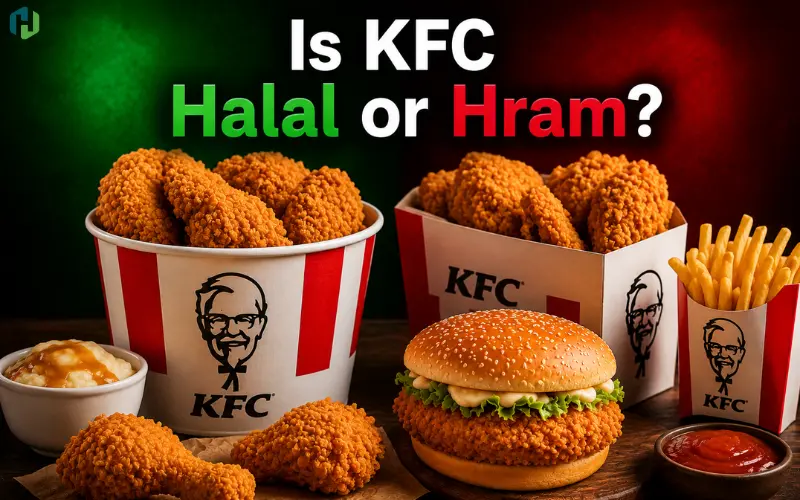
Is KFC Halal or Hram

Is KFC Halal or Haram?

Is KFC halal or Haram? The answer depends on the country, restaurant location, and whether the branch serves halal-certified chicken. KFC is one of the most popular fast-food chains in the world; however, its halal status varies across different regions, including the USA, UK, Canada, and Muslim-majority countries. Because of this, many Muslim customers are confused about whether they can eat KFC safely according to halal guidelines.

In the United Kingdom, selected KFC branches reportedly serve halal-certified chicken approved by the Halal Food Authority, while most KFC locations in the United States are generally not halal-certified. Muslim consumers are also concerned about zabiha halal standards, shared fryers, and cross-contamination inside restaurant kitchens. Since KFC follows different sourcing policies in various countries, it is essential to verify halal certification directly with your local branch before ordering.

Quick Overview Table

CategoryHalal StatusNotes
KFC USAMostly Not HalalNo nationwide halal certification
KFC UKPartially HalalAround 200 halal-certified branches
KFC UAEFully HalalFollows local halal standards
Chicken SourceDependsVaries by country
Shared FryersPossibleCross-contamination concern
Best OptionVerify BranchAsk restaurant directly

What Is KFC?

KFC (Kentucky Fried Chicken) is a global fast-food restaurant chain famous for fried chicken, burgers, and snacks. It operates in many countries with different food standards and sourcing methods.

Because it serves chicken, its halal status depends on how the chicken is sourced and prepared.

Is KFC Halal in Different Countries?

1. United Kingdom (Mostly Halal)

Many KFC branches in the UK serve halal chicken. These outlets usually have halal certification and display it clearly.

However, not all branches are halal, so it is always important to check before ordering.

2. United States (Not Halal)

In the USA, KFC is generally not halal. The chicken is not slaughtered according to Islamic guidelines, and there is no official halal certification.

3. Middle East (Halal)

In countries like Saudi Arabia and UAE, KFC is halal because strict halal regulations are followed.

Why KFC May Not Be Halal in Some Places

There are several reasons why KFC is not halal everywhere:

  • Chicken may not be slaughtered according to Islamic law
  • Cross-contamination with non-halal items
  • Lack of halal certification
  • Different suppliers in different countries

Because KFC is a global brand, it does not follow one single halal policy worldwide.

How to Check If Your Local KFC Is Halal

Here are some simple steps you can follow:

✅ Ask the Staff

Always ask the restaurant staff if their chicken is halal-certified.

✅ Look for Halal Certification

Check for official halal logos inside the restaurant or on the website.

✅ Visit Official Website

Some KFC websites provide halal information for specific regions.

✅ Avoid If Unsure

If there is no clear information, it is better to avoid it.

Islamic Perspective on Eating at KFC

In Islam, meat must be slaughtered in the name of Allah and according to Islamic guidelines.

If these conditions are not met, the meat becomes haram.

Scholars generally agree:

  • Halal-certified KFC → Permissible
  • Non-certified KFC → Not permissible

If there is doubt, it is better to choose halal-certified alternatives.

Common Concerns About KFC Halal Status

1. Cross-Contamination

Even if chicken is halal, it may be cooked in the same oil as non-halal items in some countries.

2. Supplier Differences

KFC sources chicken locally, so halal status changes from country to country.

3. Lack of Transparency

Not all branches clearly mention halal status, which creates confusion.

Halal Alternatives to KFC

If you are unsure about KFC, you can choose safer halal options such as:

  • Local halal restaurants
  • Certified halal fast-food chains
  • Homemade fried chicken

These options ensure that your food is fully halal.

FAQs

Is KFC halal in the USA?

Most KFC locations in the United States are generally not halal-certified because there is no nationwide halal chicken policy across American branches.

Is KFC halal in the UK?

Yes, many KFC branches in the UK reportedly serve halal-certified chicken, but not every location is halal. Customers should verify directly with the branch before ordering.

Does KFC use shared fryers?

Some KFC locations may use shared fryers for chicken and other menu items, which can create cross-contamination concerns for halal-conscious Muslim consumers.

How do I know if KFC is halal near me?

You can ask the staff, check halal certification, or visit the official website of your local KFC branch.

Does KFC use halal chicken?

KFC uses halal chicken in some countries but not everywhere.

Is KFC chicken hand slaughtered?

In halal-certified countries, it may be hand-slaughtered according to Islamic guidelines.

Why is KFC not halal in some countries?

Because it does not follow Islamic slaughtering methods or lacks halal certification.

You may also like these slang meanings as well:

Conclusion

Is KFC halal or Haram? The halal status of KFC depends mainly on the country and restaurant location. Most KFC locations in the USA are generally not considered halal because they do not follow a nationwide halal-certified chicken policy. However, many KFC branches in the UK and Muslim-majority countries reportedly serve halal-certified chicken approved by recognized halal authorities. 

Because halal practices can vary between franchises, Muslim customers should always confirm directly with the restaurant before eating. Asking about halal certification, chicken sourcing, shared fryers, and zabiha halal standards is the safest way to make an informed decision when eating at KFC in the USA or UK.

Is Gelatin Halal

Is Gelatin Halal?

Is gelatin halal? The answer depends completely on where the gelatin comes from. Gelatin is commonly used in gummies, marshmallows, desserts, yogurt, medicines, and capsules, but many Muslims are concerned because a large amount of commercial gelatin in the USA and UK is made from pork sources. This is why gelatin remains one of the most debated ingredients among halal-conscious consumers.

Not all gelatin is haram. Gelatin made from halal-slaughtered beef or fish can be considered halal, while pork-derived gelatin is widely considered haram by major halal certification organizations. Many Muslims also prefer plant-based alternatives, such as agar-agar and pectin, because they completely avoid concerns related to animal sources. Since ingredient labels are often unclear, verifying halal certification and the source of gelatin is crucial before consuming processed foods or supplements.

Quick Overview Table

CategoryHalal StatusNotes
Pork GelatinHaramMost common in Western products
Beef GelatinDependsMust be halal-slaughtered
Fish GelatinUsually HalalWidely accepted
Plant-Based Gelatin AlternativesHalalAgar-agar and pectin
Gelatin in GummiesDependsCheck source carefully
Halal-Certified GelatinHalalSafest option

What Is Gelatin?

Gelatin is a protein that comes from animal collagen. It is made by boiling the skin, bones, and connective tissues of animals. This process produces a jelly-like substance that is widely used in the food and pharmaceutical industries.

Gelatin is commonly used in:

  • Gummies and candies
  • Marshmallows
  • Yogurt and desserts
  • Ice cream
  • Capsules for medicines

Because it comes from animals, its halal status depends on which animal it is derived from and how that animal was treated.

Is Gelatin Halal or Haram?

👉 Gelatin is halal only if it comes from halal sources
👉 It is haram if it comes from pork or non-halal slaughtered animals

So, the short answer to “is gelatin halal?” is: It depends on the source

Types of Gelatin and Their Rulings

1. Pork Gelatin (Haram)

The most common type of gelatin in the global market is made from pork. Since pork is strictly forbidden in Islam, gelatin made from pigs is considered haram.

There is no difference of opinion among scholars on this matter — pork and anything derived from it is not allowed.

2. Beef Gelatin (Depends)

Gelatin made from cows can be halal or haram depending on how the animal was slaughtered.

  • If the cow is slaughtered according to Islamic law → Halal
  • If not → Haram

This is why it is important to check for halal certification before consuming products containing beef gelatin.

3. Fish Gelatin (Halal)

Gelatin derived from fish is generally considered halal because fish does not require halal slaughter in the same way land animals do.

This makes fish gelatin a safer option for Muslims.

4. Plant-Based Alternatives (Halal)

Some products use plant-based substitutes instead of animal gelatin. These are always halal.

Common alternatives include:

  • Agar-agar
  • Pectin
  • Carrageenan

These are widely used in vegetarian and halal-certified products.

Why Gelatin Is a Concern for Muslims

Many food products do not clearly mention the source of gelatin. Labels often just say “gelatin” without specifying whether it comes from pork, beef, or fish.

This lack of transparency makes it difficult for Muslims to decide whether a product is halal.

Also, gelatin is used in unexpected products like:

  • Chewing gum
  • Frosting
  • Vitamins
  • Medicines

That’s why understanding the answer to “is gelatin halal” is very important for practicing Muslims.

Islamic Perspective on Gelatin

In Islam, food must come from halal sources. The Quran clearly forbids pork and animals not slaughtered in the name of Allah.

Some scholars have discussed a concept called Istihalah (transformation). This means that if a substance changes completely into something else, its ruling may change.

However, when it comes to gelatin:

  • Many scholars believe the transformation is not complete
  • Therefore, pork-based gelatin remains haram

Because of this difference of opinion, many Muslims choose to avoid doubtful products completely.

How to Identify Halal Gelatin Products

Here are some simple tips to help you:

✅ Check for Halal Certification

Look for a trusted halal logo on the packaging. This is the easiest and safest method.

✅ Read the Ingredients Carefully

If the label says:

  • “Beef gelatin” → verify halal certification
  • “Fish gelatin” → generally safe
  • “Gelatin” (unspecified) → avoid if unsure

✅ Choose Vegan or Vegetarian Products

These products do not contain animal gelatin, making them automatically halal.

Common Foods That Contain Gelatin

You might be consuming gelatin without even realizing it. Some common foods include:

  • Jelly and gummies
  • Marshmallows
  • Cheesecake
  • Yogurt
  • Ice cream
  • Cake toppings

Always check labels, especially for processed foods.

Halal Alternatives to Gelatin

If you want to stay on the safe side, you can choose halal alternatives that work just like gelatin.

Popular Options:

  • Agar-agar (from seaweed)
  • Pectin (from fruits)
  • Halal-certified gelatin

These alternatives are widely available and used in many halal-friendly products.

FAQs

Is gelatin halal in Islam?

Gelatin is halal only if it comes from halal sources such as fish or properly slaughtered animals. If it comes from pork or non-halal animals, it is considered haram.

Is beef gelatin halal or haram?

Beef gelatin is halal only when the animal is slaughtered according to Islamic law. Otherwise, it is not permissible.

Is gelatin in medicine halal?

In cases of necessity, some scholars allow gelatin in medicine if no halal alternative is available. However, it is always better to choose halal-certified options when possible.

Is vegan gelatin halal?

Yes, vegan or plant-based gelatin is completely halal because it does not contain any animal ingredients.

Does gelatin contain pork?

Yes, many gelatin products are made from pork. This is why it is important to check the source or look for halal certification before consuming.

How can you tell if gelatin is halal?

You can check if gelatin is halal by looking for halal certification, reading the ingredient label, or choosing products that clearly mention fish or plant-based gelatin.

Is all gelatin haram?

No, not all gelatin is haram. Gelatin can be halal if it is sourced from fish or halal-slaughtered animals.

Can Muslims eat foods with gelatin?

Muslims can eat foods containing gelatin only if the gelatin is halal. If the source is unknown or from pork, it should be avoided.

We hope you guys find this guide helpful. If you like this one, here we have more for you:

Conclusion

Is gelatin halal or Haram? It depends entirely on the source and manufacturing process. Pork-derived gelatin is generally considered haram, while gelatin made from halal-slaughtered beef or fish may be considered halal. Plant-based alternatives such as agar-agar, pectin, and carrageenan are also widely accepted as halal options.

Because gelatin is used in many everyday foods, supplements, and medicines across the USA and UK, Muslims should always read ingredient labels carefully and look for trusted halal certification whenever possible. Choosing halal-certified or plant-based products is often the safest option for avoiding doubtful ingredients.